

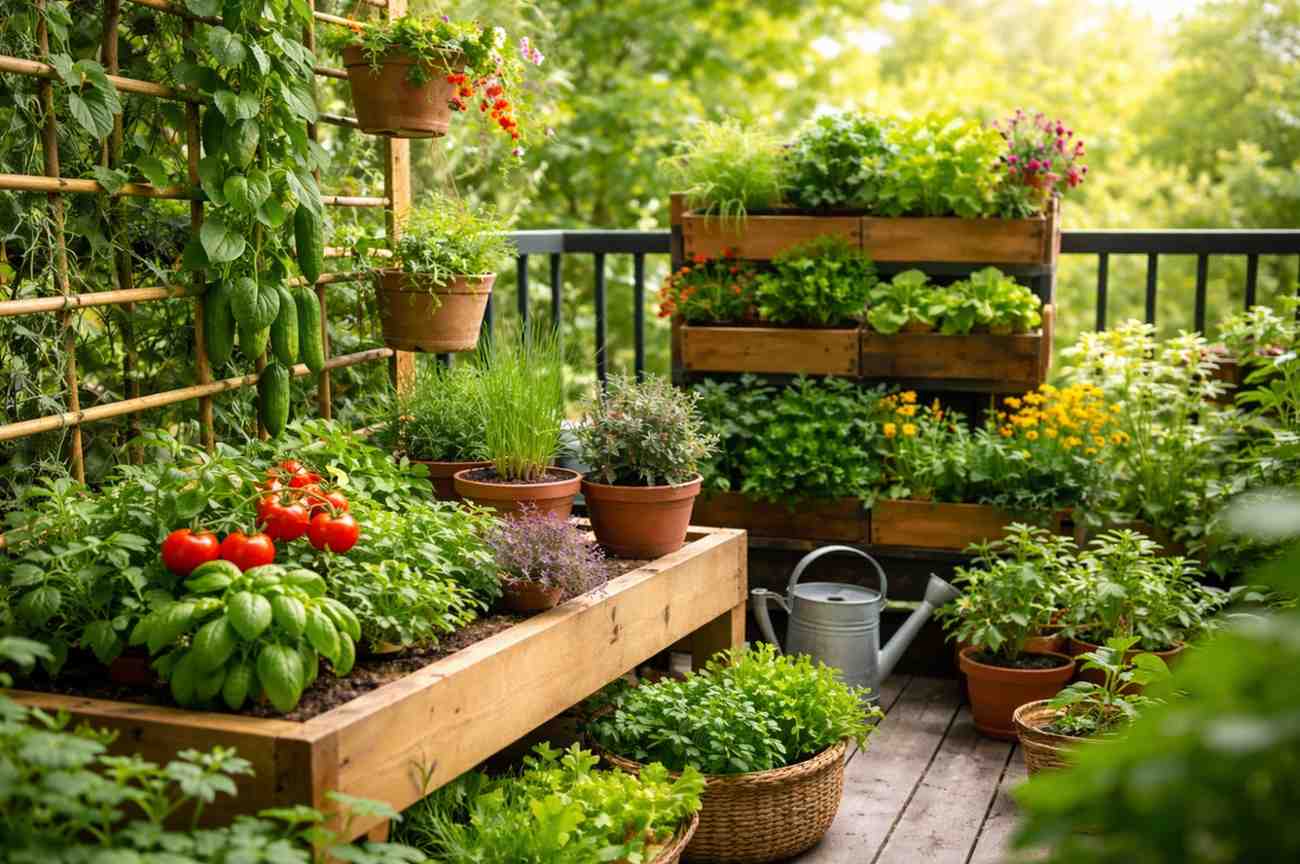
A small yard, balcony, or patio does not mean you have to sacrifice your green thumb. Creating a sustainable garden in a compact area is not only possible but also incredibly rewarding. It allows you to connect with nature, reduce your environmental footprint, and even grow your own food. With a few smart techniques and eco-friendly practices, you can transform any small space into a thriving, green oasis.
This guide will explore practical and sustainable ideas for gardening when space is limited. We will cover water conservation, soil health, and clever planting methods to help you make the most of your little corner of the world.
Maximizing Your Growing Area
When you cannot expand outward, the only way to go is up. Vertical gardening is a cornerstone of small-space cultivation. It makes use of walls, railings, and fences that would otherwise be empty.
Going Vertical
You can use a variety of structures to create a vertical garden. Trellises are perfect for vining plants like cucumbers, peas, and pole beans. Hanging baskets are another excellent choice for growing flowers, herbs, and even strawberries. You can also find tiered planters or create your own stacked containers to multiply your planting surface area. These methods not only save ground space but also improve air circulation around your plants, which can help prevent disease.
Container Gardening with Purpose
Containers are a small-space gardener’s best friend. You can use anything from traditional pots to repurposed buckets and wooden crates. Choose containers that are appropriate for the size of the mature plant. Companion planting works wonderfully in containers. For example, planting basil next to tomatoes can help deter pests and improve the flavor of the tomatoes. This creates a small, self-sustaining ecosystem within a single pot.
Conserving Precious Resources
Sustainability is about using resources wisely. In a garden, this primarily means managing water and enriching your soil without synthetic inputs.
Smart Watering Techniques
Water is a valuable resource. To conserve it, water your plants deeply but less frequently. This encourages roots to grow deeper into the soil, making them more resilient to drought. Watering in the early morning or late evening reduces evaporation. Consider using a drip irrigation system or a soaker hose, which delivers water directly to the plant’s roots with minimal waste. For container gardens, self-watering planters can be an efficient option.
Building Healthy Soil
Healthy soil is the foundation of a productive garden. You can create your own nutrient-rich soil by composting. A small compost bin can fit on a balcony or in a small yard, allowing you to recycle kitchen scraps like fruit and vegetable peels, coffee grounds, and eggshells. This compost will feed your plants naturally, eliminating the need for chemical fertilizers. If you plan to grow a variety of greens, you might consider sourcing organic bulk vegetable seeds to ensure a healthy start for your edible garden.
Choosing the Right Plants
Selecting plants that are well-suited for your specific environment is key to a successful and low-maintenance garden.
Native and Drought-Tolerant Varieties
Native plants are adapted to your local climate and soil conditions. They typically require less water, fertilizer, and overall care than non-native species. They also provide essential food and habitat for local pollinators like bees and butterflies, contributing to biodiversity. Similarly, drought-tolerant plants such as succulents, lavender, and rosemary are excellent choices for a low-water, sustainable garden.
Edible Gardening in Compact Spaces
Growing your own food is one of the most fulfilling aspects of gardening. In a small space, focus on high-yield crops. Herbs are a great starting point, as they grow well in small pots. Leafy greens like lettuce and spinach can be harvested multiple times throughout a season. Many dwarf varieties of fruits and vegetables, such as patio tomatoes and bush zucchini, are specifically bred for container gardening.
By applying these sustainable principles, you can create a beautiful and productive garden, no matter how small your space. It’s a powerful way to make a positive impact on the environment while enjoying the many benefits of a personal green sanctuary.
