

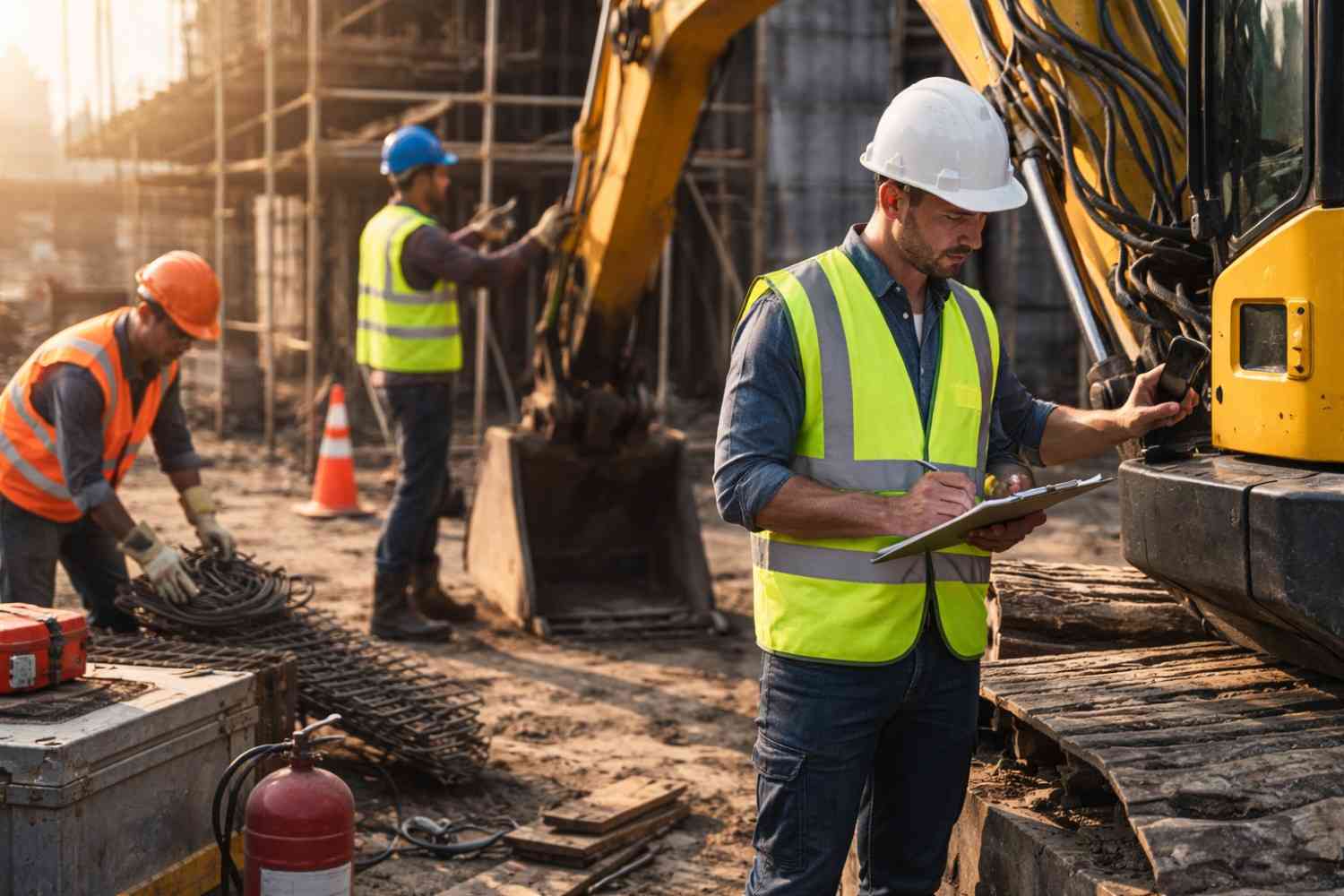
Accidents rarely happen because of a single, catastrophic failure. More often, they are the result of a chain reaction—small oversights, skipped steps, and minor hazards that accumulate until something gives way. In the construction and industrial sectors, the difference between a productive day and a shut-down site often comes down to the morning routine.
Safety protocols can feel repetitive. It is easy for crews to get complacent when they have walked the same site for months without incident. However, a dynamic work environment changes every hour. A walkway that was clear yesterday might be blocked by materials today. A tool that worked perfectly last week might have a frayed cord this morning.
Implementing a robust system of daily checks does more than just tick a regulatory box. It creates a culture where safety is active, not passive. By catching small issues before they escalate, site managers and workers can ensure that everyone clocks out in the same condition they clocked in.
Here are eight essential checks that should be part of every daily on-site routine.
1. Personal Protective Equipment (PPE) Integrity
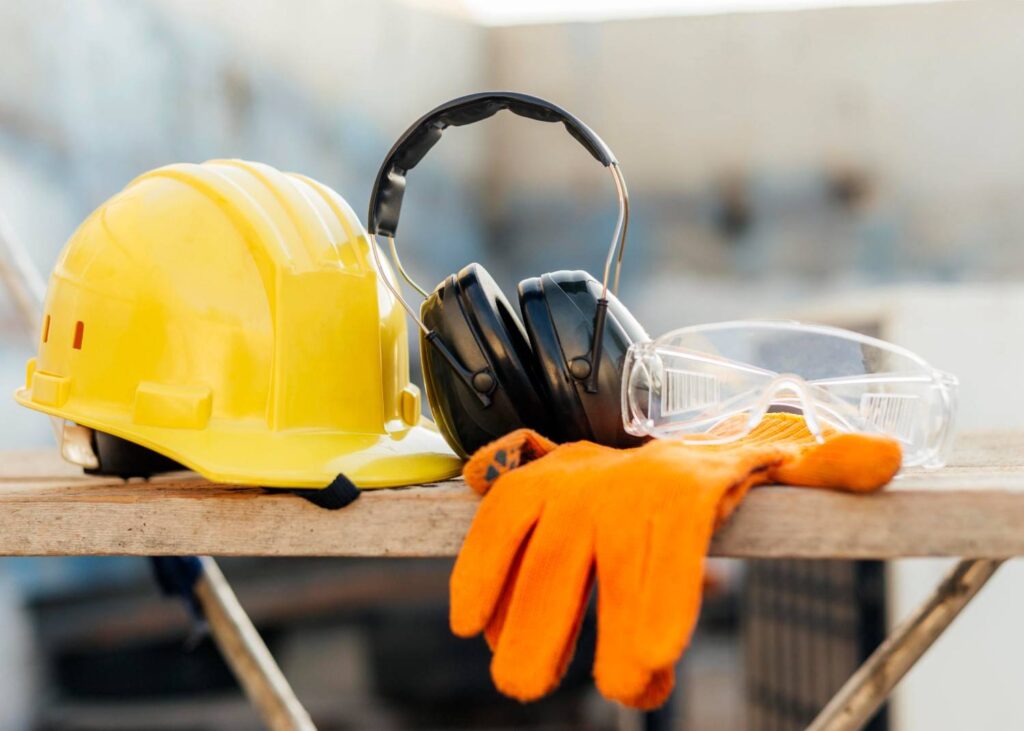
Most sites have strict rules about wearing PPE, but wearing it is only half the battle. The equipment must be in good working condition to offer any real protection. A hard hat with a hairline crack or safety glasses with deep scratches compromise safety significantly.
Each morning, workers should take a moment to inspect their gear. Look for tread wear on safety boots that could lead to slips. Check high-visibility vests to ensure the reflective strips are still effective and haven’t been washed out or covered in grease. If a piece of equipment is damaged, it needs to be replaced immediately, not “after this shift.”
2. Housekeeping and Debris Management
Slips, trips, and falls remain the most common cause of injury on job sites. These accidents are frequently caused by poor housekeeping. It is vital to scan the area for loose debris, discarded packaging, lumber with protruding nails, or trailing cables. Regular chemical safety training also plays a key role in preventing accidents, as it emphasizes the importance of properly storing and handling hazardous materials to avoid spills and slips.
This check isn’t just about tidiness; it’s about traffic flow. Ensure that walkways are distinct from working zones and that materials are stacked neatly and stably. A cluttered site restricts movement and slows down evacuation in an emergency. If the ground is muddy or wet, proactive measures like spreading grit or using temporary walkways should be taken before work begins.
3. Equipment and Machinery Pre-Starts
Heavy machinery is the backbone of most industrial sites, but it introduces massive risks if not maintained. Operators should never just turn the key and go. A pre-start walk-around is non-negotiable.
Check the hydraulic hoses for leaks, ensure the tires are inflated correctly, and test the brakes. Vital safety features like reverse alarms, lights, and mirrors must be fully functional. If a machine shows signs of wear or sounds unusual during the startup, it should be tagged out of service immediately. Ignoring a small mechanical issue at 7:00 AM can lead to a breakdown—or worse, an injury—by noon.
4. Chemical Storage and Containment
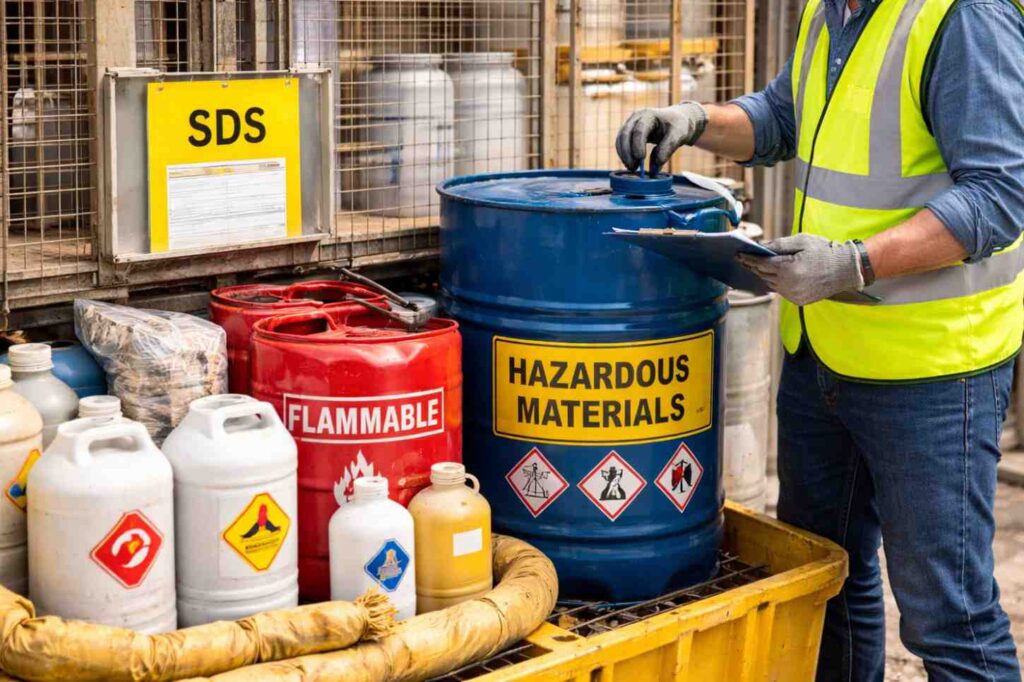
Hazardous materials are common on worksites, ranging from fuels and solvents to cleaning agents. If these are not stored correctly, they pose fire risks and health hazards.
Daily checks should ensure that all chemical containers are sealed tight and clearly labeled. Are the Safety Data Sheets (SDS) accessible? Is the secondary containment (like drip trays) empty and clean? Proper handling of these materials is a core component of effective environmental compliance training, ensuring that minor spills don’t turn into major ecological violations or health crises.
5. Scaffolding and Ladder Stability
Working at heights is inherently dangerous, and the equipment used to do so is subject to significant wear and tear. Scaffolding that was safe yesterday might have been knocked by a vehicle or altered by a sub-contractor overnight.
Inspect guardrails, toe boards, and locking mechanisms on scaffolding. Ensure the base is on stable ground and hasn’t sunk into mud after a rainstorm. For ladders, check the rungs for oil or mud that could cause a slip, and verify that the feet have proper grip. If a ladder is bent or damaged, it belongs in the dumpster, not on the job.
6. Electrical Safety and Lockout/Tagout
Temporary power supplies are necessary but vulnerable. Inspect all extension cords and power tools for cuts, exposed wires, or damaged plugs. Ensure that cables are routed overhead or covered with ramps to prevent tripping and protect the cable itself.
Crucially, verify that Lockout/Tagout (LOTO) procedures are being observed. If a machine is being repaired, there must be physical locks and tags preventing it from being energized. A quick visual scan to ensure no one has bypassed these locks for convenience can save a life.
7. Signage and Perimeter Fencing
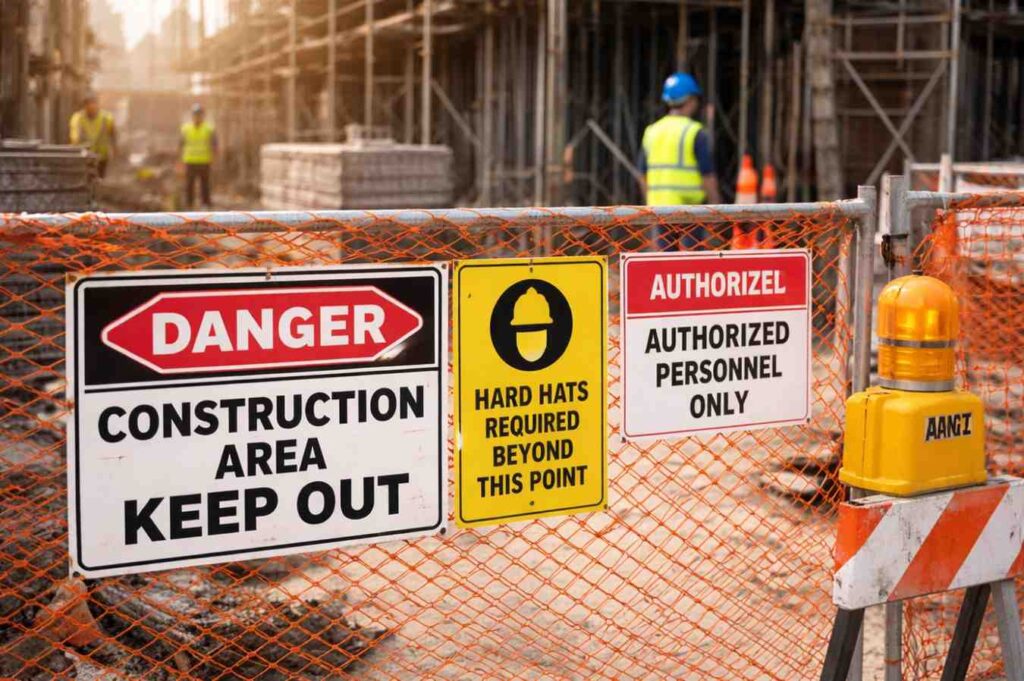
A worksite is a changing landscape, and signage needs to reflect the current hazards. A “Men Working Above” sign is useless if the crew has moved to the other side of the building.
Walk the perimeter to ensure fencing is secure and prevents unauthorized access. Check that safety signage is clean, visible, and relevant to the day’s tasks. If a barrier has been moved to allow a delivery truck in, ensure it is put back immediately. Communication is key to safety, and signs are the primary way the site communicates danger to anyone entering.
8. First Aid and Emergency Access
When an accident happens, seconds count. The start of the shift is the best time to ensure that emergency protocols are actionable. Are the first aid kits fully stocked, or were items used and not replaced? Are the fire extinguishers charged and in their designated spots?
Critically, check the access routes. Emergency vehicles need a clear path to the site. If a delivery of bricks has blocked the main gate, or if a trench has cut off access to the medical station, these issues need to be resolved immediately.
Building a Culture of Vigilance
Safety is not achieved through a one-off seminar; it is achieved through the consistent application of standards every single day. These eight checks provide a framework for vigilance, helping teams identify hazards before they become statistics.
While formal education and environmental compliance training provide the necessary theoretical knowledge, it is the daily discipline of the crew on the ground that truly ensures a safe working environment. By making these checks a habit, you protect your most valuable asset: your people.
