

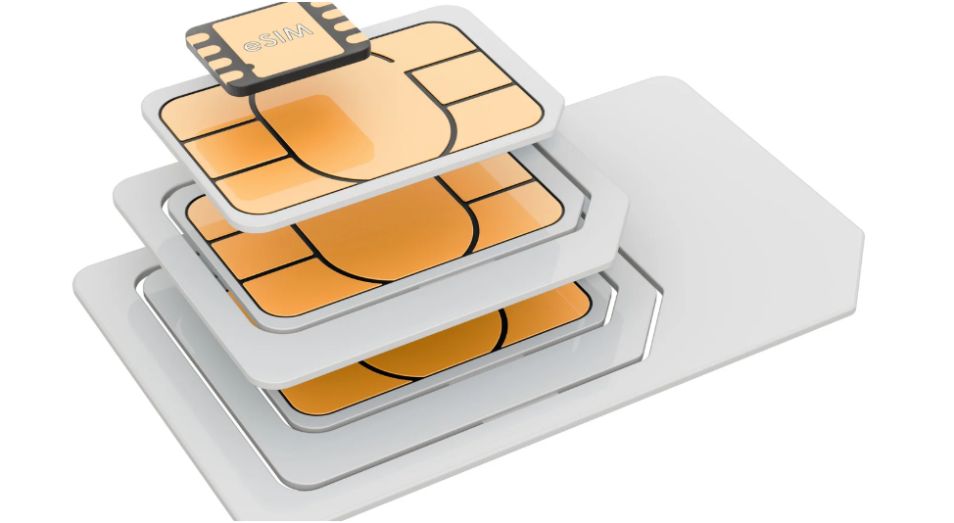
Mobile connectivity often becomes complicated during international trips. Traditional SIM cards require swaps, store visits, or new numbers in each country. A global eSIM offers a simpler digital option that works across many regions. This guide explains how beginners can start and manage it with ease.
Phone compatibility plays an important role before any global eSIM activation. Many travelers rely on an international travel eSIM because it works through digital SIM technology built into modern smartphones. Device settings usually reveal whether eSIM support exists in the network section. Manufacturer websites also list supported models.
Choose A Global Data Plan That Fits The Trip
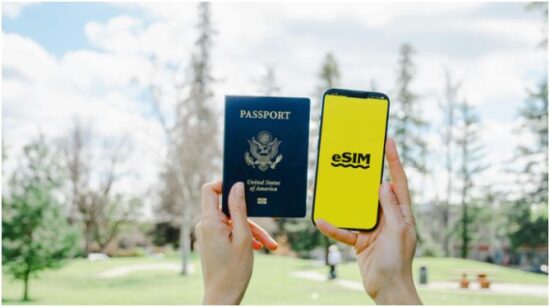
Plan selection often depends on travel duration and the regions included in the itinerary. Many providers offer data packages that support several countries within a single digital profile. This approach helps avoid the need to purchase a separate mobile plan in each destination. It also keeps the activation process simple and easier to manage during the trip.
Global plans usually come with fixed data allowances and clearly defined validity periods. Short visits may require only a small data package for maps, messaging, and essential apps. Longer stays may work better with larger data allowances that support daily browsing and communication. Careful plan selection may help maintain steady connectivity while moving between different countries.
Receive The QR Code After Purchase
After plan selection, activation details usually arrive through email within minutes. The message typically contains a QR code and a short set of instructions. This code links the phone directly to the network profile. It acts as the key to install the digital SIM.
What The QR Code Does
The QR code stores encrypted network configuration details. When scanned, the phone downloads the correct mobile profile automatically. This process removes the need for physical SIM installation. The device then stores the profile in its internal SIM manager.
Open the eSIM Setup Menu On The Phone
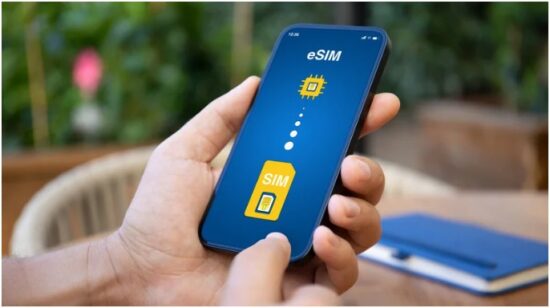
Activation begins inside the phone’s mobile network settings menu with a detailed step by step process. Most devices show an option called add eSIM or add mobile plan. Selecting this option opens the camera interface for QR scanning. The phone then prepares to read the activation code.
Internet access helps complete the setup quickly during this step. A stable WiFi connection usually works best for the installation process. The device contacts the carrier server and downloads the network configuration. Within a short moment, the new profile becomes available.
Scan To Install The Profile

With the setup menu open, the device camera reads the QR code displayed on another screen or printed document. After the scan completes, the phone prompts a confirmation message before the digital SIM profile installs. Once approved, the system downloads the required network credentials and stores them within the device. The entire installation process usually finishes within a minute under a stable internet connection.
After the installation completes, the phone may request a name or label for the new mobile line. Many people choose labels based on the travel region, data plan type, or provider name. This small step helps distinguish the digital profile from the primary SIM already in the phone. Clear labels also make future network selection easier when multiple profiles exist.
Adjust Data Preferences After Activation
Dual SIM phones allow separate choices for mobile data. After activation, the digital SIM can become the preferred source for data usage. This configuration helps maintain access to both numbers.
Travelers often review a few settings after the installation completes.
- Confirm that mobile data uses the global eSIM profile
- Turn on data roaming if required by the plan
- Disable automatic network switching if signals vary
- Check that the correct line appears in the network settings
These adjustments help the device connect to international travel eSIM smoothly across supported regions.
Monitor Data Usage During The Trip
Global data packages often include a fixed allowance that lasts for a specific validity period. Monitoring usage during the trip helps prevent unexpected data limits before the plan expires. Most smartphones provide built-in usage statistics within the mobile network or data settings section. These tools display how much data has already been used and how much remains available.
Many apps also consume background data without clear notice during normal phone use. Limiting automatic updates and disabling unnecessary background activity may help reduce extra consumption. WiFi networks in hotels, airports, or cafés can also help conserve mobile data during daily use. Careful monitoring helps extend the plan and maintain stable connectivity throughout the trip.
A global digital SIM offers a practical way to stay connected across many countries. For beginners, an international travel eSIM can simplify mobile access without physical SIM swaps. Once compatibility, plan choice, and QR setup are complete, the phone handles most of the work automatically. With simple checks and careful data use, global connectivity becomes far easier during international trips.
