

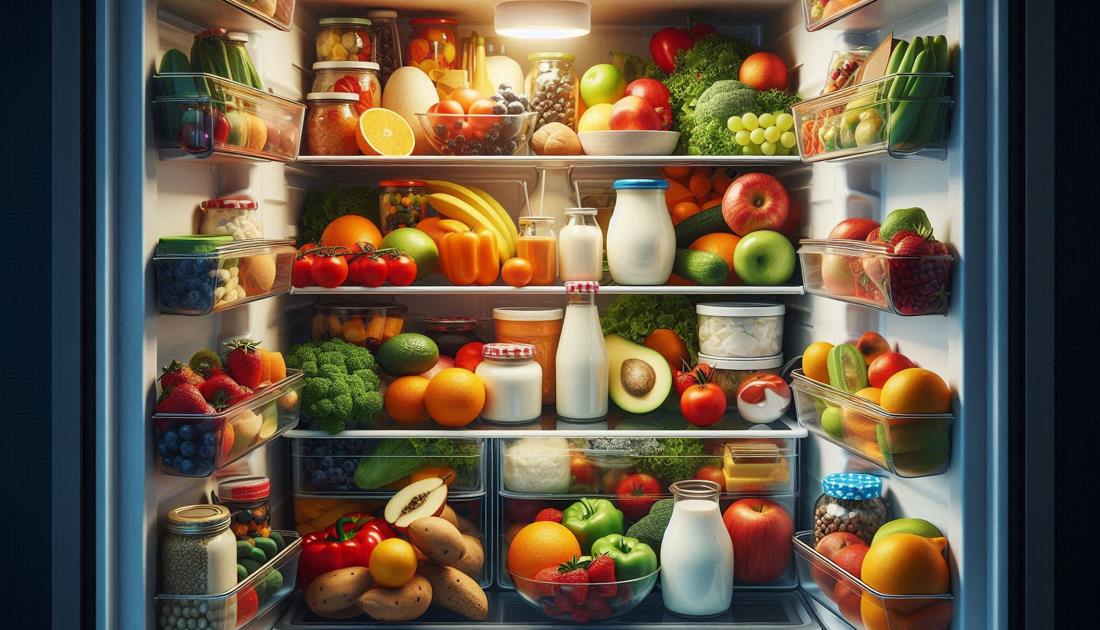
When storing food, it’s crucial to understand the correct practices to ensure your meals remain safe and fresh. Whether you’re managing a household fridge or running a food service operation, following proper food storage guidelines can prevent foodborne illnesses and preserve food quality. Here’s what you need to know about safe food storage practices, refrigerator and freezer temperatures, and essential food safety tips.
How to Store Products
In some places, I have seen all the food tufted inside the fridge and the fridge full of foul small. Whether the food is leftovers or raw food, there is a very nice and simple way to keep it. We used to call my mother Aladdin, who has a magic lamp. She used to store the special food items and surprise us even after three or more days. Proper storage can be helpful for storing food and sometimes batch cooking in rush life.
When Storing Products it is Important to Make Sure of These Rules.
Storing food can be really helpful for easy cooking and reduce work efforts in kitchen. But storing it as fresh as brought or cooked is really a task for all. But once you known this strategy, it will be the best and easy method for you. You can just follow these rules to do this.
Beware of the Temperature Danger Zone

Let me explain a situation: just assume that you just finished a big batch of homemade soup. The soup was very delicious, but I left it out a little too long. When you realize how to store it, many bacteria may enter the food. For this, you should know the temperature zone for food. The temperature between 40°F (4°C) and 140°F (60°C) will be easier for the bacteria to get in. So you should keep it piping hot or refrigerate quickly. If the bacteria get into the soup, then it’s not worth drinking.
Take Special Care with High-Risk Foods
I already told you my pathetic chicken story. Meat, dairy and eggs are the most temperamental food that is very hard to handle. Once my neighbor gave me four raw eggs and I stored them in a bucket for later use. But when I took it for cooking, it was totally damaged. These high risk foods should store below 40°F (4°C). This cant be kept in hot piping. Otherwise this will be the home for bacteria.
Storing Food in the Fridge
Stuffing all the food inside the fridge can’t be the solution for all. Some food or vessels may fall down while just opening the fridge. The best solution for this is organizing your fridge with a strategy. This can be set by your daily use of things, storage features of the fridge and food you have to store.
When it comes to my fridge, I keep raw meats on the bottom shelf (no dripping onto other foods!), dairy in the middle, and cooked foods on top. This can prevent you from the real-life struggles to find needed things in a chaotic mess.
Freezing Food Safely
Freezing is one of my best friends, especially when it comes to cooking. I used to store foods and also remember to label the dates. This will help you to take the food in particular dates without it being expired. Without labeling, you may have expired or unhealthy food that may lead to severe food poisoning.
Storing Cooked Food Safely
Cooking something new is very interesting for me nowadays. But when there are guests, you always make more food and you have to store the leftovers. Storing the food in air tight jars and don’t leave them out for more than two hours. Suppose you’ve ever had to throw away a perfectly good stew because it sat out too long; you know the pain.
Avoid Refreezing Thawed Food
I like to share a fact that I realized very late. The refreezing thawed food sometimes affects the texture and safety. So once the food is thawed, its better to use it. Once I refrozen and when I finally cooked, it wasn’t that good.
The Right Temperature for Food Storage
Proper temperature control is key to maintaining food safety. According to the USDA and FDA, the right temperatures ensure food stays fresh while reducing the risk of harmful bacteria.
-
What Temperature Should a Refrigerator Be?
-
Your refrigerator should be kept at or below 40°F (4°C). This temperature helps prevent bacterial growth and ensures food stays fresh longer. Keep a thermometer in your fridge to monitor this.
-
-
How Cold Should a Freezer Be?
-
For safe long-term storage, your freezer should be set at 0°F (-18°C). At this temperature, food remains frozen and bacteria are kept at bay. Always check the temperature regularly with a freezer thermometer.
-
Why Temperature Control Matters in Food Storage
The “temperature danger zone” (between 40°F and 140°F) is where bacteria multiply rapidly. Keeping food out of this zone is essential for safe storage. According to the FSIS, food left out in this zone for too long can cause foodborne illnesses. Here’s a breakdown of key temperature guidelines for storing food:
-
What is the Maximum Time Food Can Remain in the Temperature Danger Zone?
-
Food should not be in the danger zone for more than 2 hours. If the temperature is over 90°F (32°C), this time reduces to 1 hour. After this period, food should be discarded to prevent illness.
-
-
Does Freezing Kill Bacteria?
-
While freezing slows bacterial growth, it does not kill bacteria. Freezing simply stops bacteria from growing and reproducing. That’s why it’s important to ensure food is cooked thoroughly before consumption, even after being frozen.
-
Store Raw Food Separately from Cooked Food

Cross-contamination is no joke and you should consider it. Just think, isn’t it worse to mix raw meat juices with your salad. So, always keep raw food separate from cooked food even if it’s in the fridge, freezer, or on any counter. It should be practiced as a habit and can save you from the kitchen nightmares.
Choose Strong, Non-Toxic Food Storage Containers
All the tips and hacks on web and print will make you store food in containers. But one thing I realized is all the containers are not equal and not good to save the food. Once I stored leftover soup in a plastic container and it leaked all over my fridge. So always choose strong, air tight and non toxic ones for storage. It will keep your food much fresher.
Plan for Power Outages
Power outages are pretty common here, and it’s very difficult to depend only on the fridge for food storage. In the evening, I just stored a pack of milk in the refrigerator, and the power was gone till morning. When I took it for tea, it became curd and was of no use. From that day, I just found my golden rule. Keep the fridge and freezer doors closed during an outage. If the power outage is more common at your place, freeze the meat in the water and store it in the freezer. This will help to stay until the power connects back.
8 Tips for an Orderly Kitchen
Keeping your kitchen orderly can feel like a full-time job, but following these steps makes it manageable—and, dare I say, fun.
Empty Cabinets
I used to take out all the things and set them in a new way. Emptying the cabinet, cleaning and then arranging in a new way gives me unexplainable satisfaction.
Group Like Items
You can group similar things together like arranging baking supplies as a group near the oven, canned goods in another place. This will make cooking easier and cool.
Organize the Cabinets
Organizing doesn’t stop at grouping. I used to place frequently used items at eye level and less-used ones higher up. This can save so much space and my back has thanked me ever since.
Use Clear Containers to Store Items
Ever reached into the pantry for flour and accidentally grabbed powdered sugar? Clear containers solve that problem.
Store Containers and Lids Together
I’ve lost countless lids in the void of my kitchen drawers. Now I store containers and their lids together—it’s a match made in heaven.
Make Use of Vertical Space
When you’re limited on space, go vertical! Stacking containers or using shelf risers is a game-changer.
Use Lazy Susans
I used to have bottles of vinegar and oil falling out of my cabinets every time I opened them. Now, I use a Lazy Susan to keep everything accessible and neat.
Use Drawer Dividers
There’s nothing more satisfying than an organized utensil drawer. Drawer dividers keep everything in place, and I can finally find my whisk when I need it.
Best Practices for Storing Food Safely
-
Organizing Your Fridge: Store raw meats, poultry, and seafood on the lowest shelves to avoid cross-contamination. Ready-to-eat foods should be placed higher up, away from raw foods.
-
Food Should Be Stored at Least Which Distance from the Floor?
Food should be stored at least 6 inches above the floor to avoid contamination from pests and ensure proper air circulation.
-
Food Storage Guidelines for Different Items: Some foods require specific storage methods. For example, dairy should be stored at the back of the fridge where it’s coldest, while fresh produce should be kept in crisper drawers.
Frequently Asked Questions
1. What Temperature Should a Refrigerator Be?
Your refrigerator should be kept at or below 40°F (4°C) to ensure food stays fresh and safe. Use a thermometer to monitor the temperature and adjust as needed.
2. What is the Maximum Time Food Can Remain in the Temperature Danger Zone?
Food should not remain in the temperature danger zone (40°F–140°F) for more than 2 hours. If the temperature exceeds 90°F (32°C), this time reduces to 1 hour.
3. How Cold Should a Freezer Be?
A freezer should be set to 0°F (-18°C) for safe long-term storage. This ensures food remains properly frozen and bacteria are kept at bay.
4. Which Food Should Be Stored Above the Others in a Refrigerator?
Raw meats, poultry, and seafood should always be stored on the lowest shelf of the refrigerator to prevent any juices from dripping onto other foods. Ready-to-eat foods should be stored on higher shelves.
The Importance of Safe Food Storage
Proper food storage is critical to maintaining both food quality and safety. By following these food storage guidelines and ensuring the right temperatures for both your fridge and freezer, you can significantly reduce the risk of foodborne illnesses. Remember to regularly monitor the temperature, follow best practices for organizing your food, and ensure that your food is stored at safe distances from the floor.
By improving your food storage practices, you’re not only protecting your health but also saving money by reducing food waste. Stay informed and share these tips with others to promote food safety in your community.
