

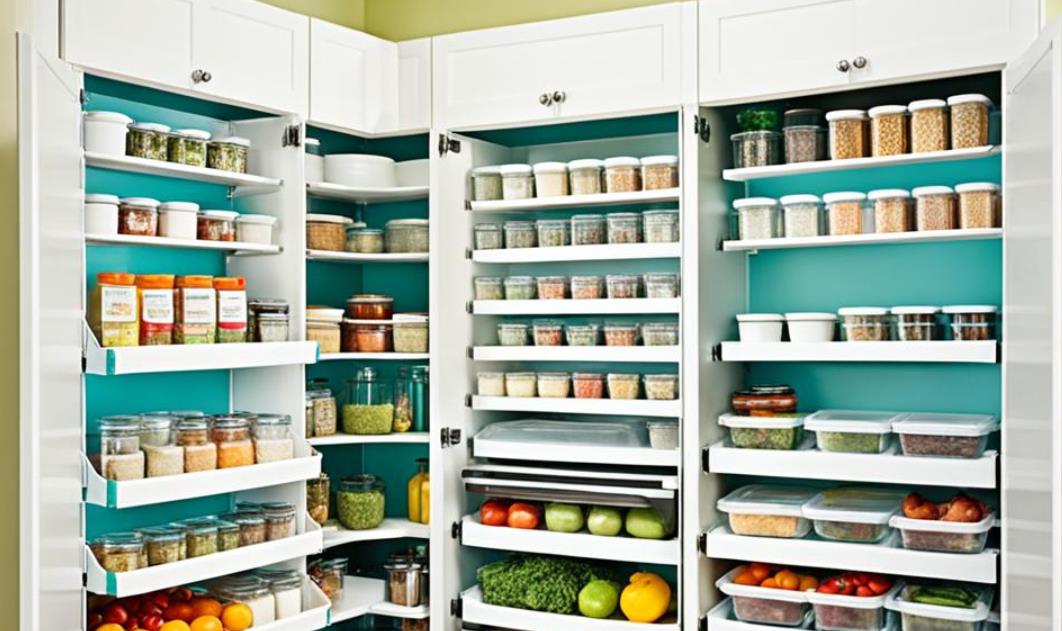
Ensuring proper food safety is essential not only for the health of your customers but also for maintaining your business’s reputation. Whether you’re running a restaurant, food delivery service, or preparing meals at home, understanding and practicing proper food safety protocols can prevent foodborne illnesses and contamination. In this guide, we’ll cover the essential steps to prevent poor food safety, including tips on temperature control, cross-contamination, how to prevent poor food safety and safe food storage practices.
What is the Best Way to Prevent Poor Food Safety?
Foodborne illnesses are often the result of poor food safety practices. These illnesses can range from mild stomach upset to severe food poisoning, and in some cases, they can even be fatal. To prevent these risks, food handlers must focus on the following:
-
Hand Hygiene: Always wash your hands before handling food, especially after using the restroom, handling raw meats, or touching any other contaminated surfaces.
-
Temperature Control: The proper temperature is crucial in preventing bacterial growth. You need to store, cook, and serve food at the correct temperatures to minimize health risks.
-
Cross-Contamination Prevention: Cross-contamination happens when bacteria from raw foods are transferred to ready-to-eat foods. Prevent this by using separate cutting boards and utensils for raw meats and other foods.
Understanding the Importance of Food Safety

Food safety is a big deal that affects millions of people around the world. Poor food safety can lead to serious health issues and big economic losses. Let’s see why food safety matters and how it touches our lives every day.
Key Factors to Prevent Poor Food Safety:
how to prevent poor food safety, lets know about this
-
Food Danger Zone: The “danger zone” for food is between 40°F and 140°F (4°C and 60°C). Bacteria multiply rapidly in this temperature range. It’s essential to either keep foods below 40°F (in the fridge) or above 140°F (while cooking or keeping hot).
-
Cross-Contamination: Always keep raw meats, poultry, and seafood separate from other foods, especially those that won’t be cooked.
-
Food Preparation: Involves ensuring food is cooked properly and not left in the danger zone for too long. Clean all utensils, equipment, and surfaces regularly.
The Importance of Kitchen Safety in Preventing Foodborne Illnesses
Kitchen safety is a fundamental part of maintaining proper food safety. From cleaning surfaces to properly handling food, the way you maintain your kitchen can help prevent cross-contamination and spoilage.
-
Sanitize Surfaces Regularly: Clean and sanitize all surfaces, including countertops, knives, cutting boards, and utensils, before and after use. This reduces the risk of transferring bacteria from raw foods to other items.
-
Personal Hygiene: Food workers should wash their hands frequently, especially after handling raw foods or using the restroom.
-
Clean and Maintain Equipment: Regularly clean cooking and storage equipment like refrigerators, dishwashers, and ovens to prevent the buildup of food particles and bacteria.
Regulatory Bodies and Food Safety Standards
Food safety standards are key to keeping us healthy. Groups like the FDA and USDA check if food safety rules are being followed and do inspections. They make sure food producers and handlers stick to strict rules to avoid contamination. Following these rules is key to keeping consumers safe and cutting down on foodborne illnesses.
Food safety is important for more than just our health. It also affects the economy and social progress. In poorer countries, foodborne illnesses cause about $110 billion in losses each year. By focusing on how to prevent poor food safety, we can keep people healthy, lessen economic losses, and make sure everyone has access to safe food.
Implementing Proper Food Handling Practices

Proper food handling practices are key to avoiding foodborne illnesses. Every year, millions of people get sick from contaminated food. Some cases can lead to serious health issues or even death. Pregnant women, older adults, and those with weak immune systems are at higher risk.
Keeping your kitchen clean starts with clean hands. Make sure to wash them for at least 20 seconds with warm soapy water before and after handling food. This simple act greatly reduces the spread of harmful bacteria.
Stopping cross-contamination is crucial. Use different cutting boards for various foods and cleaning & sanitizing knife is also plays important role. Keep raw meats separate from other foods to prevent bacteria spread. When cooking, follow specific temperature guidelines for each food type to ensure safety.
Safe food storage is vital. Put foods in the fridge within 2 hours of cooking or buying. If it’s over 90°F outside, do it within 1 hour. Use a refrigeration chart for different foods. For instance, ground meat should be used within 1-2 days, while whole poultry can last up to 2 days in the fridge.
By following these food handling practices, you can greatly lower the risk of foodborne illnesses. This ensures the safety of your meals. Food safety is a responsibility for everyone, whether cooking at home or in a professional setting.
What is the Best Way to Prevent Poor Food Safety

Keeping food safe is key to avoiding the 48 million cases of foodborne illnesses each year in America. The best way combines education, good practices, and always being careful.
Proper Food Storage: The Key to Preventing Poor Food Safety
Storing food at the right temperature is essential in preserving food quality and preventing bacterial growth. Understanding the correct food storage practices will ensure the food you serve is safe to eat.
-
Refrigeration Temperature: Refrigerators should be kept at 40°F (4°C) or below. This is crucial for slowing down bacterial growth and preserving perishable items like meats, dairy, and fruits.
-
Freezing Food: Freezing food at 0°F (-18°C) prevents bacteria from growing and extends shelf life. While freezing doesn’t necessarily kill all bacteria, it can stop them from multiplying, which makes thawing and cooking important steps in ensuring safety.
-
Does Freezing Kill Bacteria? Freezing doesn’t kill all bacteria, but it does stop their growth. Always cook frozen food to the proper temperature to ensure safety.
Education and Training Programs
Food safety training is the first step in prevention. It teaches food handlers how to handle food safely, reducing contamination risks. These programs should include basic hygiene, safe food handling, and the need for temperature control.
Implementing HACCP Principles
HACCP principles are crucial for spotting and managing food safety risks in production. They help businesses find key areas where safety can be improved. This lets them take steps to prevent food safety issues.
Maintaining Stringent Hygiene Practices
Good hygiene is essential to stop foodborne illnesses. This means washing hands for at least 20 seconds, using different cutting boards for each food type, and keeping all surfaces clean. These simple actions can greatly lower the risk of harmful bacteria spreading.
Regular Inspection and Monitoring
Checking on food safety regularly is crucial to catch problems early. This includes checking food temperatures every four hours, making sure hot foods stay above 135°F and cold foods below 41°F. Regular checks of equipment and facilities also help keep safety high.
The Four Steps to Food Safety: Clean, Separate, Cook, and Chill

Food safety steps are key to avoiding foodborne illnesses. By sticking to four easy guidelines, you can make sure your meals are safe and tasty.
Clean: Washing Hands, Foods, and Surfaces
Begin with clean hands, foods, and surfaces. Wash your hands for at least 20 seconds with soap and warm water. Make sure to rinse fruits and vegetables well. Clean kitchen tools and surfaces often to get rid of harmful bacteria.
Separate: Preventing Cross-Contamination
Stopping cross-contamination is vital. Use different cutting boards and utensils for raw meats and foods you eat right away. Keep raw meats on the bottom shelf of your fridge to stop juices from touching other foods.
Cook: Ensuring Proper Cooking Temperatures
Right cooking temperatures are key for food safety. Cook ground meats to 160°F, poultry to 165°F, and fish to 145°F. Use a food thermometer to check the internal temperature. This kills harmful bacteria that can make you sick.
Chill: Refrigerating Food Promptly
Refrigerating food quickly is important. Chill perishable foods within two hours of cooking or buying them. Keep your fridge at 40°F or lower. Don’t let food sit in the danger zone (between 40°F and 140°F) where bacteria grow fast.
By following these four food safety steps, you can keep yourself and your loved ones safe from foodborne illnesses. Remember, clean, separate, cook, and chill are your best ways to fight harmful bacteria in your kitchen.
Leveraging Technology for Enhanced Food Safety
The food industry faces big challenges in keeping things safe. New tech offers strong solutions to these problems. Food safety software makes following safety rules easier for businesses. It helps track important data and create reports, keeping companies on track with food safety.
Food testing machines are key in finding potential dangers. They use advanced metal detectors and x-ray scanners to check for contaminants. This way, they stop unsafe items from getting to consumers.
Integrated pest management (IPM) is a proactive way to keep food safe. It focuses on stopping pests like cockroach before they start. IPM uses cleaning, changing the structure, and targeted treatments to keep pests away.
Food safety tech is getting better, with AI and machine learning leading the way. These technologies look at lots of data to spot problems before they happen. AI helps make production better and keeps product quality consistent.
As the food industry uses these new technologies, we’ll see better safety and fewer food illnesses. Adding these tools is a big step in keeping us safe and making sure our food is safe too.
Creating a Culture of Food Safety in Businesses and Homes
Creating a strong food safety culture is key in both work and home settings. In the U.S., 48 million people get sick from food each year. This shows how important food safety awareness is. Companies that focus on food safety do well, with 96% getting top marks from food safety groups.
For businesses, starting a food safety culture means leaders must be committed. They need to clearly share safety rules, offer regular training, and link safety to employee goals. Doing this can cut foodborne illness risks by half. Also, teaching staff about safe cooking temperatures can lower risks by 60%.
At home, teaching people about food safety is crucial. It helps prevent 21% of foodborne illness outbreaks in private kitchens. Keeping food safe at home means storing, handling, and cooking it right. Both homes and businesses can use checks and surveys to keep food safe and clean.
By valuing food safety in all areas, we can fight the high rates of foodborne illnesses. Making a positive food safety culture takes effort but is worth it for better health and saving money.
Also Read: Where Sanitizing Chemicals Be Stored?
How Long Can Raw Chicken Sit Out?
Raw chicken should never sit out at room temperature for longer than 2 hours. If the ambient temperature is above 90°F (32°C), such as during a hot day, the time limit reduces to 1 hour. After this time, harmful bacteria like Salmonella and Campylobacter can multiply quickly, making the chicken unsafe to eat.
Preventing Cross-Contamination: What Food Workers Need to Know
Cross-contamination is one of the most common causes of foodborne illnesses. It occurs when bacteria from raw foods (especially meats) are transferred to other foods that won’t be cooked, such as fruits and vegetables. Here’s how food workers can avoid it:
-
Use Separate Utensils and Cutting Boards: Never use the same cutting board or utensils for raw meats and ready-to-eat foods. Invest in separate cutting boards—color-coded ones are helpful for ensuring there’s no mix-up.
-
Store Raw Meat Separately: Always store raw meats on the bottom shelf of the refrigerator to prevent their juices from dripping onto other foods.
-
Proper Thawing: Thaw frozen meat in the refrigerator, not on the counter. Thawing at room temperature allows bacteria to multiply quickly.
Frequently Asked Questions
1. What should food workers use to protect ready-to-eat food from contamination?
Food workers should use clean gloves, tongs, or utensils when handling ready-to-eat foods. This minimizes direct contact and reduces the contamination risk.
2. Which food should be stored above the others in a refrigerator?
Raw meats, especially poultry, should always be stored on the bottom shelf of the refrigerator. This prevents their juices from dripping onto other foods like fruits and vegetables.
3. How should food workers protect food from contamination after it is cooked?
After cooking, food should be stored in covered, airtight containers and refrigerated at 40°F or below. If food needs to be kept hot, it should be maintained at a temperature of 140°F or higher.
4. What is the maximum time food can remain in the temperature danger zone?
Food should not remain in the danger zone (40°F to 140°F) for more than 2 hours. If the temperature exceeds 90°F, the food should not be left out for longer than 1 hour.
5. How can a food handler identify food that has been contaminated with pathogens?
While foodborne pathogens are often invisible, signs such as unusual odors, discoloration, or slimy textures can indicate contamination. To avoid risk, always adhere to proper food handling and storage practices.
Why Food Safety Matters
Food safety isn’t just about protecting your customers—it’s about ensuring the health and longevity of your business. By implementing proper food safety protocols like temperature control, cross-contamination prevention, and safe food storage, you can protect both your customers and your reputation. Stay informed about the latest food safety practices and always adhere to local regulations to maintain a safe and healthy kitchen environment.
