

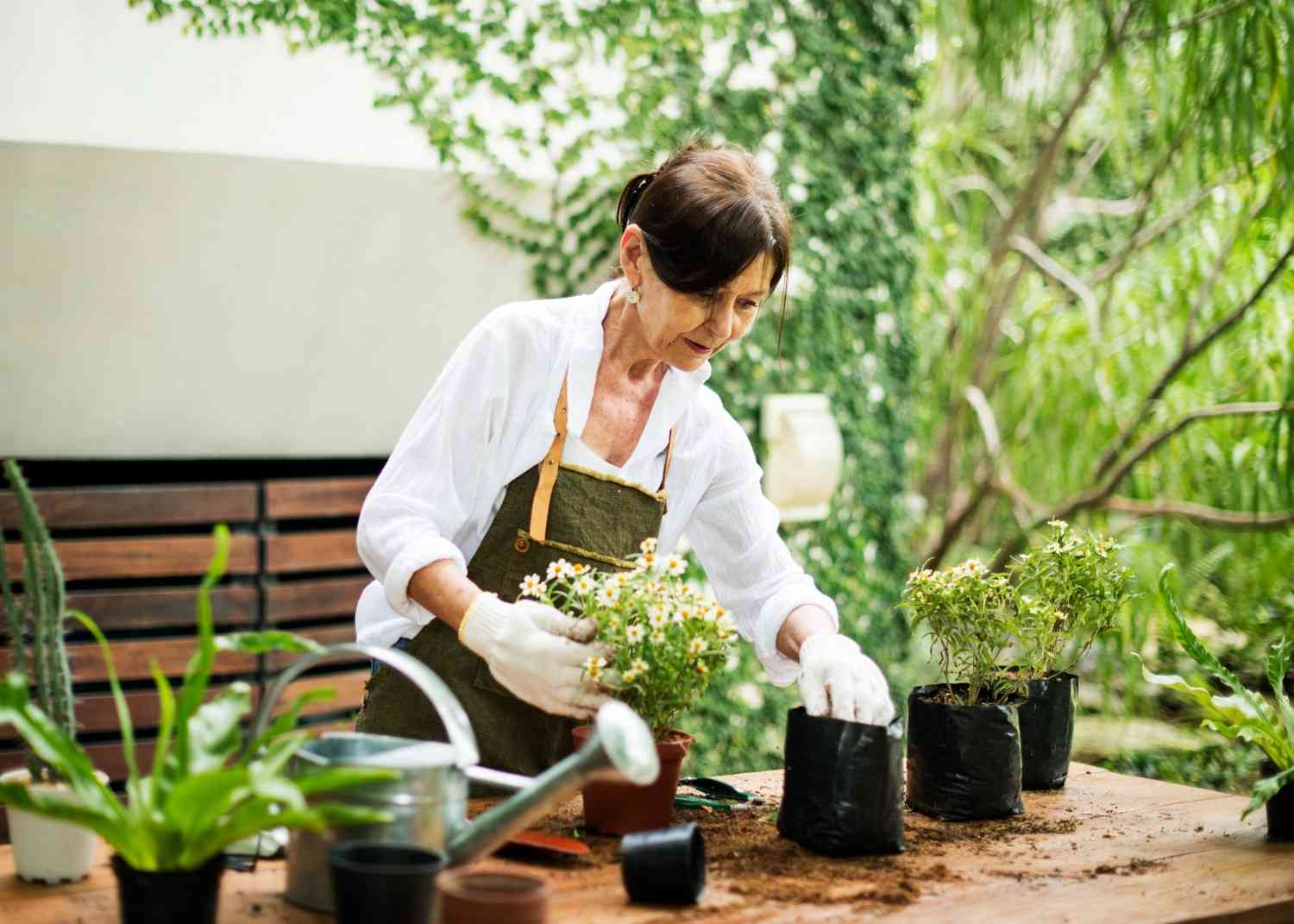
Creating a lush, thriving home garden doesn’t require a professional horticulture degree—just the right techniques, a bit of patience, and consistent care. Whether you’re growing vegetables, herbs, or ornamental plants, mastering a few essential practices can make all the difference. Here’s how you can elevate your gardening game and grow like a pro.
Start with Healthy Soil
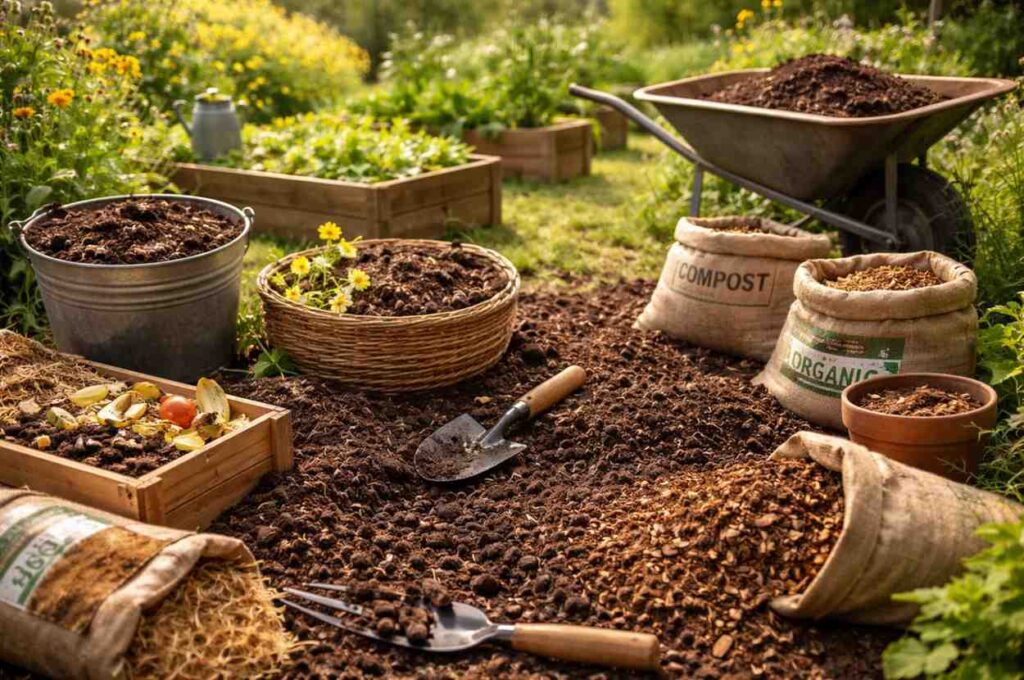
The foundation of any successful garden is healthy soil. Think of soil as the lifeline of your plants—it provides nutrients, supports root growth, and helps retain moisture. Before planting, test your soil to determine its pH and nutrient levels. Most plants thrive in slightly acidic to neutral soil.
Enhance your soil by adding organic matter such as compost, aged manure, or leaf mold. These not only enrich the soil but also improve its structure and drainage. Mulching is another essential practice. For example, using brown mulch in Salt Lake City has become popular for conserving moisture and regulating soil temperature—benefits that apply to gardens anywhere.
Choose the Right Plants
Selecting plants suited to your climate and available space is key. Research which plants grow best in your region and consider factors like sunlight, humidity, and temperature. Native plants are often a great choice because they are already adapted to local conditions and require less maintenance.
Also, be realistic about your gardening space. If you’re working with a small area, opt for compact varieties or consider vertical gardening techniques to maximize your yield.
Master Watering Techniques
Watering seems simple, but it’s one of the most common areas where gardeners go wrong. Overwatering can lead to root rot, while underwatering stresses plants and stunts growth.
A good rule of thumb is to water deeply but less frequently. This encourages roots to grow deeper into the soil, making plants more resilient. Early morning is the best time to water, as it allows plants to absorb moisture before the heat of the day causes evaporation.
Use tools like drip irrigation systems or soaker hoses for efficient watering, especially if you have a larger garden.
Provide Adequate Sunlight
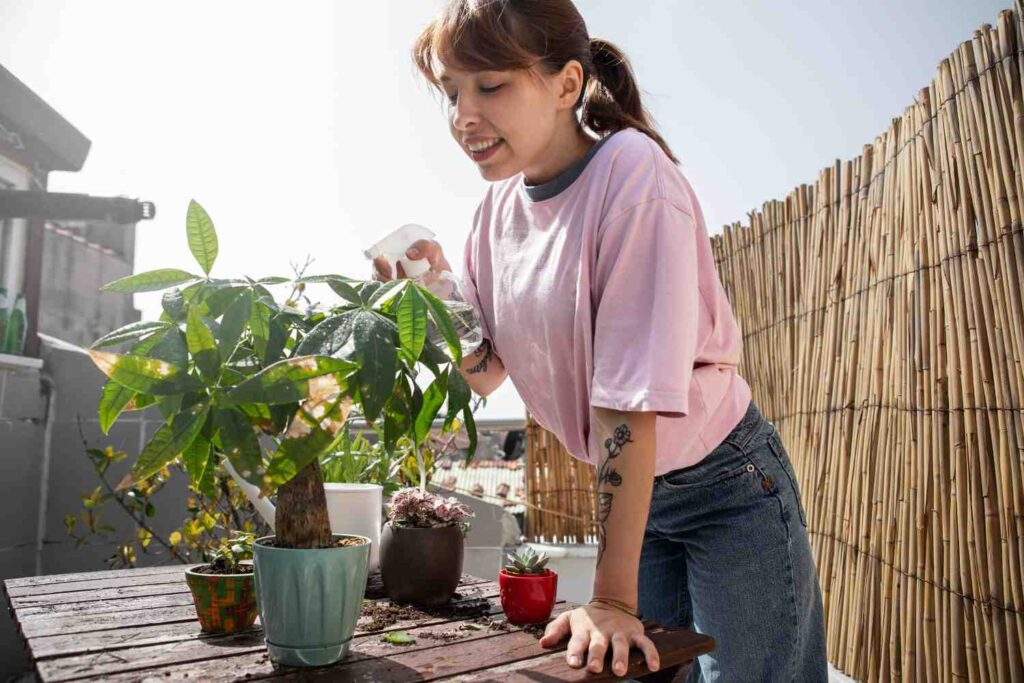
Sunlight is essential for photosynthesis, the process that fuels plant growth. Most vegetables and flowering plants need at least 6–8 hours of direct sunlight daily.
Observe your garden space throughout the day to identify areas with full sun, partial shade, or full shade. Place plants accordingly to ensure they receive the light they need. If sunlight is limited, choose shade-tolerant plants like leafy greens or certain herbs.
Feed Your Plants Regularly
Even nutrient-rich soil can become depleted over time. To keep your plants healthy and productive, supplement with fertilizers as needed. Organic options like compost tea, fish emulsion, or seaweed extract are excellent choices for steady, natural nourishment.
Be mindful not to over-fertilize, as this can damage plants and lead to excessive leaf growth at the expense of flowers or fruits. Always follow recommended application guidelines.
Control Weeds and Pests Naturally
Weeds compete with your plants for nutrients, water, and sunlight, so keeping them under control is essential. Regularly inspect your garden and remove weeds by hand or use mulch to suppress their growth.
When it comes to pests, opt for natural solutions whenever possible. Introduce beneficial insects like ladybugs, use neem oil sprays, or create homemade remedies with mild soap and water. Healthy plants are less susceptible to pests, so maintaining overall plant health is your best defense.
Prune and Maintain Regularly
Pruning helps plants grow stronger and produce more flowers or fruit. Remove dead or diseased branches to improve air circulation and prevent the spread of disease. Regular maintenance also includes staking plants, cleaning up fallen debris, and checking for signs of stress.
Make it a habit to spend a few minutes in your garden each day. This not only keeps your garden in top shape but also helps you catch potential problems early.
Stay Consistent and Patient
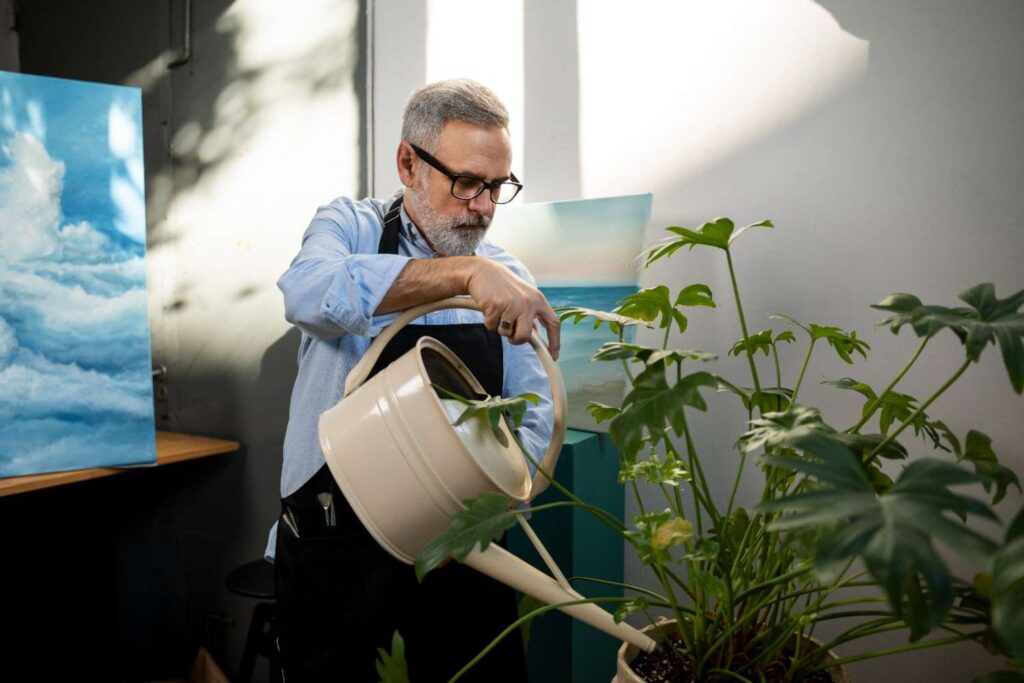
Gardening is a long-term commitment that rewards consistency. Plants need time to grow, adapt, and flourish. Don’t be discouraged by setbacks—every gardener faces challenges.
Keep a gardening journal to track what works and what doesn’t. Over time, you’ll develop a deeper understanding of your garden’s unique needs.
Final Thoughts
Growing a thriving home garden is both an art and a science. By focusing on soil health, proper plant selection, efficient watering, and regular maintenance, you can create a vibrant and productive space. These are also valuable elements to include in new home landscaping plans to ensure long-term success.
With these simple yet effective tips, you’ll be well on your way to gardening success—and enjoying the many rewards that come with it.
