

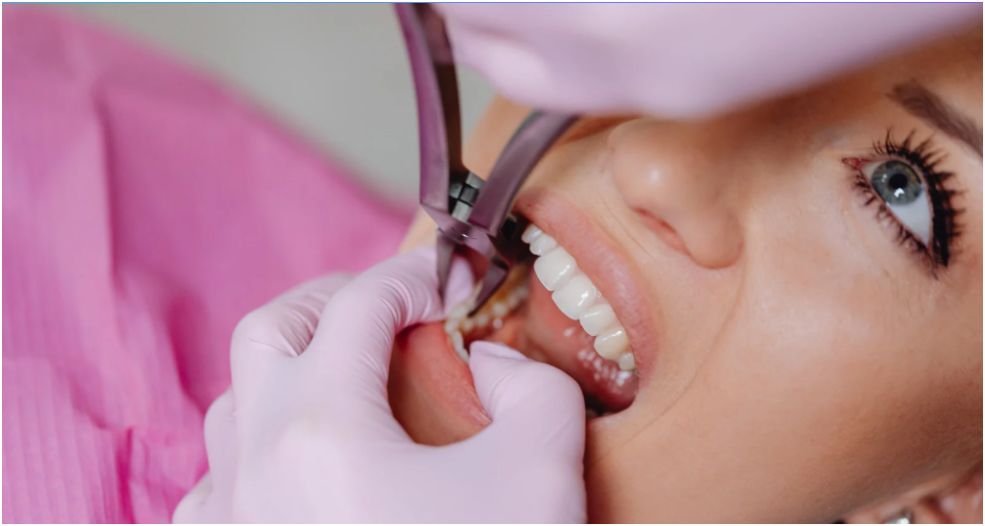
Dental pain often strikes without warning. A sudden ache or a broken tooth can quickly disrupt your entire day. Knowing exactly when a dental issue requires immediate professional attention helps you protect your longterm oral health. This guide will walk you through common warning signs, critical injury types, and the steps you must take to preserve your smile during an emergency.
Recognizing True Dental Emergencies
Not every oral issue demands a same-day appointment. However, certain conditions can permanently damage your mouth if left untreated for even a few hours. You need to identify the difference between a minor annoyance and a severe crisis.
Severe Tooth Pain and Swelling
A persistent, throbbing toothache indicates a deep underlying problem. Over-the-counter medication might mask the pain temporarily, but it will not cure the root cause. If your facial area begins to swell or you develop a fever, you are likely dealing with a dangerous infection. You must contact a dental clinic immediately to prevent the infection from spreading into your bloodstream.
Knocked-Out or Loose Teeth
Adult teeth should never feel loose. If you experience trauma that dislodges a tooth, the clock starts ticking instantly. Dentists have the highest chance of saving a knocked-out tooth if they re-insert it within one hour of the incident. Pick up the tooth by the chewing surface and keep it moist in a small container of milk while you travel to the clinic.
Dealing with Soft Tissue Injuries
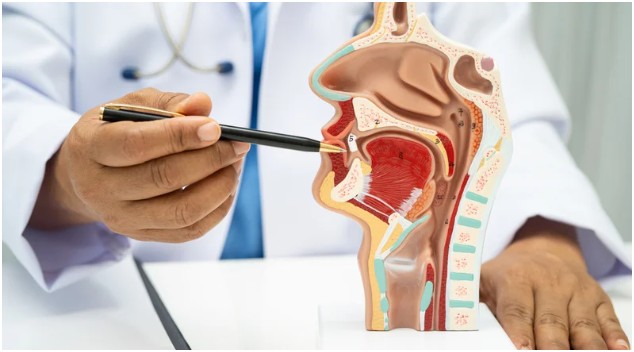
Your gums, cheeks, and tongue contain countless blood vessels. Injuries to these soft tissues often produce an alarming amount of blood. Remaining calm allows you to assess the damage properly.
Uncontrollable Bleeding
Accidental bites or sports injuries easily tear the soft tissues inside your mouth. Apply firm pressure to the bleeding area using a clean piece of gauze. If the bleeding fails to stop after fifteen minutes of continuous pressure, you need urgent medical care. A specialized professional, such as an oral surgeon in Richmond Indiana, might be necessary for complex lacerations or extensive trauma to the jawbone.
Abscesses and Infections
An abscess appears as a painful, pimple-like bump on your gums. This pocket of pus signifies a serious bacterial infection near the root of your tooth. Do not attempt to pop or drain the bump yourself under any circumstances. Seek emergency dental care immediately so a professional can drain the area safely and prescribe appropriate antibiotics.
Handling Damaged Dental Work
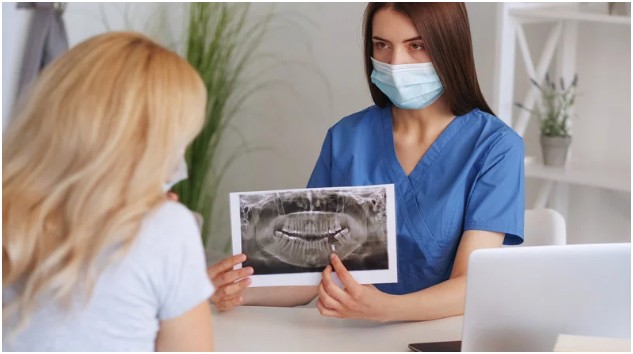
Restorations like crowns and fillings protect vulnerable parts of your teeth and give you a confident smile. When these structures fail, they expose sensitive nerves to temperature changes and harmful bacteria. Prompt repairs keep small problems from turning into massive headaches.
Broken Crowns and Fillings
Losing a filling or breaking a crown creates a clear pathway for rapid decay. Your tooth will likely feel highly sensitive to hot or cold foods. Call your dental office to schedule an urgent repair to reseal the tooth. Keep the area clean by rinsing your mouth gently with warm salt water after every meal.
Cracked or Fractured Teeth
Biting down on a piece of hard ice or unpopped popcorn can fracture an otherwise healthy tooth. A deep crack extending below the gumline requires immediate professional evaluation to save the structure. Rinse your mouth with warm water to remove debris. Apply a cold compress to your cheek to minimize swelling before your appointment.
Immediate Steps Before Your Appointment
Taking the right actions at home directly impacts the success of your emergency treatment. Your quick thinking preserves your natural teeth and reduces your overall discomfort. Keep basic first aid supplies readily available in your bathroom cabinet.
Managing Pain Safely
Never apply aspirin directly to an aching tooth or bleeding gums. This common mistake causes severe chemical burns to your delicate soft tissues. Instead, swallow pain relievers exactly as directed on the packaging. Use cold compresses on the outside of your face in twenty-minute intervals to reduce inflammation safely.
Protect Your Smile Moving Forward
Dental emergencies require fast action and a clear head. Ignoring severe pain or visible swelling only leads to more invasive and costly procedures down the road. Keep your local dental clinic contact information saved in your phone for easy access during a crisis. By understanding these urgent warning signs, you can protect your teeth and maintain excellent oral health for years to come.
