

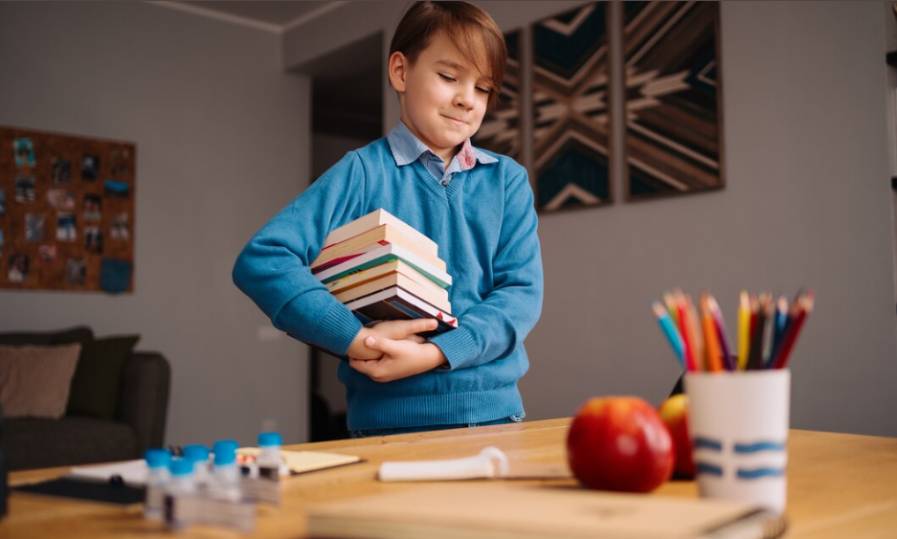
The early years of a child’s life are a period of incredible growth and discovery. Research shows that up to 90% of a child’s brain development happens before the age of five. During this critical window, children are not just absorbing facts; they are working on learning habits .
By establishing healthy cognitive and behavioral patterns early on, parents and caregivers can set a foundation for lifelong academic and personal success. If you want to support your child’s developmental journey, understanding which behaviors to encourage is essential.
Read on to discover five foundational learning habits that will help your young child thrive, along with practical ways to integrate them into your daily routine. Just like building strong morning habits for a better day, early learning routines can shape how children grow and succeed.
1. Engaging in Unstructured Play
Play is the primary language of childhood and the most effective vehicle for early learning. Unstructured, child-led play allows children to explore their environments, test boundaries, and develop essential problem-solving skills.
When children build a tower of blocks, they are learning basic physics and spatial awareness. When they engage in pretend play, they are developing empathy and narrative skills. According to the American Academy of Pediatrics, play is fundamentally vital for healthy brain development, helping children manage stress and build resilience.
To foster this habit, dedicate time each day where your child can choose their own activity without strict rules or adult-led goals. Provide open-ended toys like blocks, art supplies, or even cardboard boxes. The tip here is to step back and let them lead; resist the urge to correct their imaginative scenarios or show them the “right” way to play with a toy.
2. Maintaining a Consistent Reading Routine
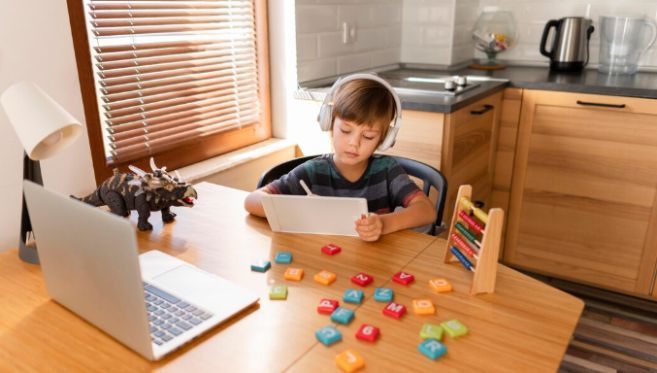
Reading to a child is one of the most powerful habits you can cultivate. It goes far beyond simply teaching them how to recognize letters. Consistent reading routines drastically expand a child’s vocabulary, improve their listening skills, and stimulate their imagination.
A study from Ohio State University found that young children whose parents read them one book a day enter kindergarten having heard an estimated 290,000 more words than children who are not regularly read to. This “million-word gap” plays a significant role in early literacy and academic confidence.
Make reading a daily habit by integrating it into a specific part of your routine, such as right before bedtime or after lunch. Keep books easily accessible in various rooms of the house. A practical tip is to make reading interactive: pause to ask your child questions about the pictures, ask them what they think will happen next, and let them turn the pages.
3. Asking Questions and Exploring Curiosity
The infamous “why” phase can sometimes test a parent’s patience, but it is a brilliant indicator of a thriving, curious mind. Curiosity is the engine of intellectual growth. When children ask questions, they are trying to make sense of the world around them and connect new information to what they already know.
Encouraging this habit helps children develop critical thinking skills and teaches them that seeking knowledge is a rewarding experience.
Instead of brushing off endless questions, try to validate their curiosity. If you do not know the answer to a question, admit it and suggest looking it up together. This models the research process and shows them that learning is a lifelong journey.
A great tip for encouraging this habit is to ask them open-ended questions in return. If they ask why the sky is blue, you might respond with, “That is a great question; why do you think it is blue?”
4. Socializing and Collaborating with Peers

Learning is inherently social. Children learn vital life skills—such as sharing, negotiation, emotional regulation, and effective communication—by interacting with other children. Collaborative play teaches kids how to listen to different perspectives and work together toward a common goal, whether they are building a sandcastle or navigating a game of tag. Developing these social-emotional skills is just as important for future school success as academic readiness.
Providing regular opportunities for socialization is key to building this habit. Enrolling your child in a structured environment, such as a daycare in West Jordan, provides excellent opportunities for them to interact with peers and develop these crucial social skills on a daily basis.
You can also arrange local playdates or visit community parks. A practical tip is to gently guide them through conflicts rather than immediately intervening, allowing them to practice their own conflict-resolution skills.
5. Embracing Mistakes as Learning Opportunities
Helping a child develop a “growth mindset” is one of the most valuable gifts you can give them. A growth mindset is the understanding that abilities and intelligence can be developed through dedication and hard work.
When children view mistakes not as failures, but as necessary steps in the learning process, they become more resilient, adaptable, and willing to take on new challenges. This prevents the fear of failure from stifling their creativity and willingness to learn.
You can cultivate this habit by changing how you praise your child. Instead of praising innate traits like intelligence (“You are so smart”), praise their effort and perseverance (“You worked really hard on that puzzle”). When they make a mistake, gently help them analyze what went wrong and how they can try a different approach next time. This teaches them to approach challenges with optimism and a willingness to try again.
