

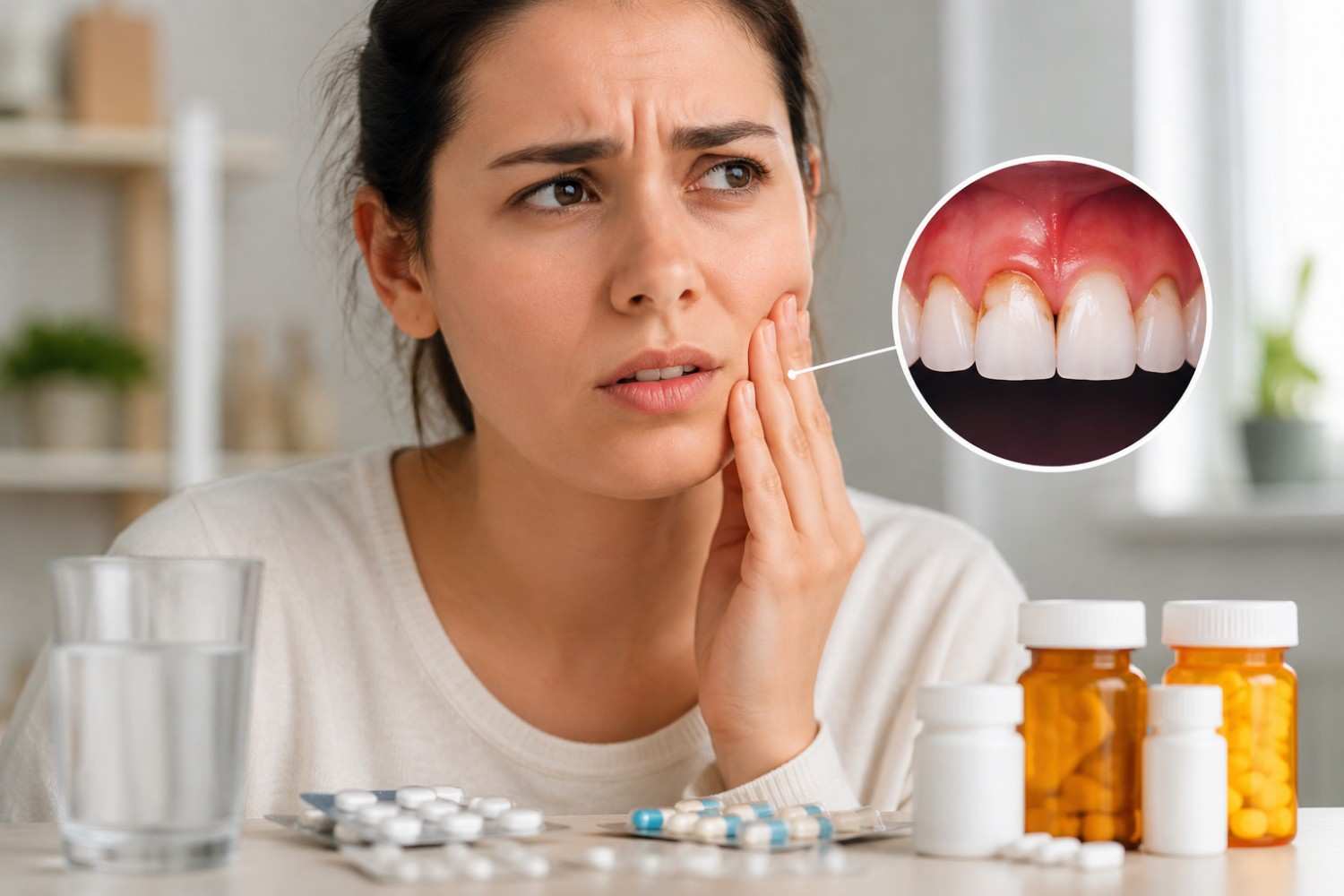
Understanding the Hidden Connection Between Medicines and Oral Health
Most people are aware that certain lifestyle choices can impact dental health, but far fewer realise that the medications sitting in their bathroom cabinet might be quietly wreaking havoc on their teeth and gums. From prescription drugs to over-the-counter remedies, as a dentist Bournemouth and other dental professionals will tell you, a surprisingly wide range of common medications can have unintended consequences for oral health. Understanding these effects is crucial for maintaining a healthy smile whilst managing other health conditions.
The relationship between medication and dental health is more complex than many patients initially assume. Whilst medicines are designed to treat various ailments and improve overall well-being, they can sometimes create challenges for maintaining optimal oral hygiene. These side effects often go unnoticed until significant damage has occurred, making awareness and prevention essential.
Dry Mouth: The Silent Culprit
One of the most prevalent medication-related dental issues is xerostomia, commonly known as dry mouth. This condition occurs when salivary glands fail to produce adequate saliva, and it affects a substantial portion of the population taking regular medication. Saliva plays a vital protective role in the mouth, neutralising acids, washing away food particles, and providing essential minerals that strengthen tooth enamel.
When saliva production decreases, the mouth becomes more vulnerable to tooth decay, gum disease, and oral infections. Research has shown that hundreds of commonly prescribed medications can cause dry mouth as a side effect, including antidepressants, antihistamines, blood pressure medications, and pain relievers. Anyone experiencing persistent dry mouth should consult their dentist to discuss strategies for managing this condition.
Medications That Increase Bleeding and Gum Problems
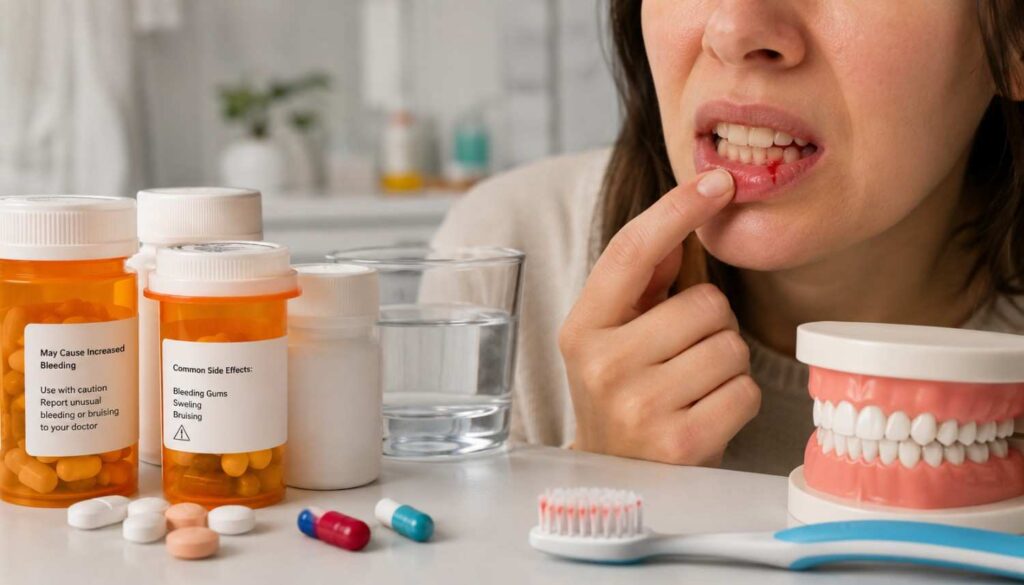
Certain medications can significantly affect the gums, leading to inflammation, overgrowth, or increased bleeding during routine brushing and flossing. Anticoagulants, commonly prescribed to prevent blood clots, can cause excessive bleeding during dental procedures or even during regular oral hygiene routines. This doesn’t mean patients should stop taking these important medications, but it does highlight the importance of informing dental professionals about all current prescriptions.
Additionally, some medications used to treat epilepsy, high blood pressure, and immunosuppression can cause gingival hyperplasia, a condition where gum tissue becomes enlarged and overgrown. This excess tissue creates pockets where bacteria can accumulate, increasing the risk of periodontal disease and making effective oral hygiene considerably more challenging.
Sugar-Containing Medicines and Tooth Decay
Many liquid medications, particularly those designed for children or long-term use, contain significant amounts of sugar to improve palatability. Syrups, lozenges, and chewable tablets often include sugars that coat the teeth, providing an ideal environment for cavity-causing bacteria to thrive. When these medications are taken regularly, especially before bedtime without subsequent brushing, the risk of tooth decay increases dramatically.
Patients who require long-term medication should enquire about sugar-free alternatives whenever possible. For those without such options, understanding which medications pose the greatest risk to dental health can help inform better oral hygiene practices and preventive care strategies.
Acid Reflux Medications and Enamel Erosion

Whilst medications for acid reflux and heartburn are designed to reduce stomach acid, some patients may experience rebound acidity or may have already sustained enamel damage before treatment begins. The acidic environment can erode tooth enamel over time, leading to sensitivity, discolouration, and an increased susceptibility to cavities. Regular dental check-ups become even more important for individuals managing chronic reflux conditions.
Protecting Your Smile Whilst Taking Essential Medications
The good news is that awareness and proactive care can significantly mitigate the dental side effects of necessary medications. Patients should maintain open communication with both their medical doctors and dental professionals about all medications they’re taking. Minimising the oral health side effects of medication often involves simple adjustments to oral hygiene routines, such as increasing water intake, using fluoride treatments, or scheduling more frequent dental cleanings.
Regular dental examinations allow professionals to identify medication-related issues early and implement preventive strategies tailored to individual needs. By understanding the potential impact of medications on oral health, patients can take control of their dental wellbeing whilst continuing to benefit from essential medical treatments. A collaborative approach between patients, doctors, and dental professionals ensures that overall health doesn’t come at the expense of a healthy, confident smile.
