

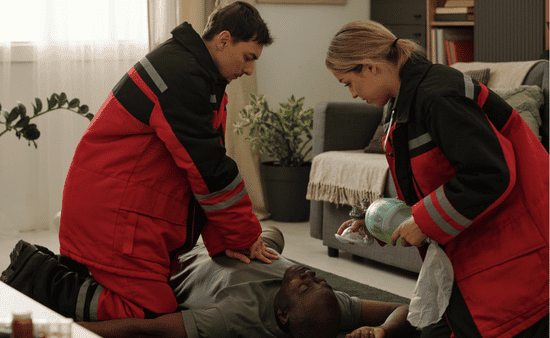
Emergency responders are the unsung heroes who navigate unpredictable and often life-threatening situations daily. Whether they are firefighters, paramedics, or police officers, their ability to act swiftly and effectively hinges on the reliability of their equipment. In environments where every second counts, having the right tools is not just about efficiency—it is a matter of survival for both the responder and the victims they serve.
The Foundation of Safety: Personal Protective Equipment (PPE)
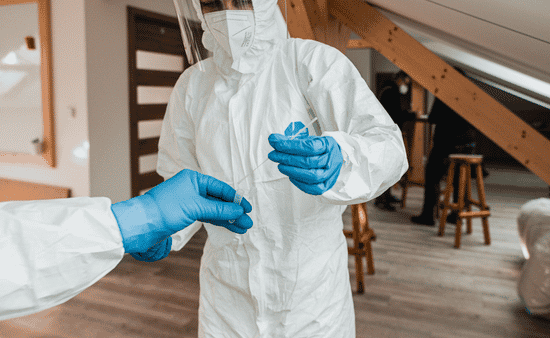
Personal Protective Equipment serves as the primary defense against environmental hazards. For firefighters, this includes flame-resistant suits, helmets, gloves, and boots designed to withstand extreme temperatures.
Paramedics and police officers prioritize protection against biological and chemical threats, often relying on high-quality gloves, masks, and eye protection. High-visibility vests and reflective markings are also critical, ensuring that responders are easily identified by teammates and civilians in low-light or high-traffic areas, thereby reducing the risk of accidental injury.
Reliable Communication in the Chaos
Effective coordination is essential during large-scale emergencies where conventional infrastructure may be overloaded or damaged. Advanced communication systems, such as a satellite two way radio, provide a lifeline in remote areas or disaster zones where cellular service is non-existent.
The Paramedic’s Lifesaving Toolkit
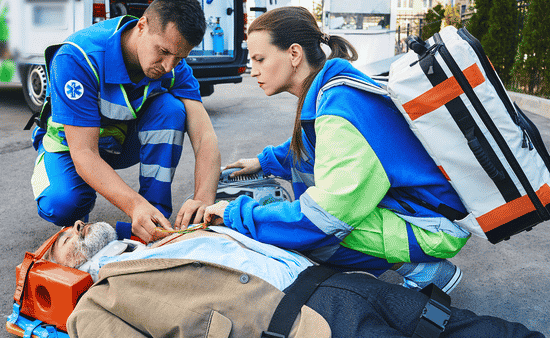
When medical emergencies occur, paramedics must be equipped to diagnose and stabilize patients on the scene. Their toolkit includes essential diagnostic gear such as high-quality stethoscopes, blood pressure cuffs, and pulse oximeters to assess oxygen saturation. For more critical interventions, airway management and cardiac monitoring tools are indispensable:
| Category | Essential Tools | Primary Function |
|---|---|---|
| Diagnostic | Glucose Meter, Thermometer | Monitoring vital signs and blood sugar |
| Airway | Bag-Valve Mask (BVM), Oxygen Tank | Providing ventilation and supplemental oxygen |
| Cardiac | AED, Portable ECG Monitor | Restarting the heart and detecting arrhythmias |
| Trauma | Tourniquets, Hemostatic Dressings | Controlling severe bleeding and stabilizing fractures |
Beyond these, tools like laryngoscopes and endotracheal tubes allow for advanced airway management in unconscious patients, while cervical collars prevent further spinal injury during transport.
Specialized Rescue and Extraction Tools
In the aftermath of accidents or structural collapses, first responders require heavy-duty equipment to free trapped individuals. Hydraulic tools, commonly known as the “Jaws of Life,” include cutters, spreaders, and jacks that can pierce through reinforced steel. For navigating difficult terrain—such as burning buildings or steep cliffs—responders rely on specialized rope systems, harnesses, and ladders to perform extractions safely.
Enhancing Situational Awareness

Modern technology has introduced new ways for responders to assess hazardous environments before entering them. Drones and thermal imaging cameras are now standard for many search-and-rescue teams, allowing them to locate heat signatures or victims in challenging terrain or smoke-filled structures.
These high-tech solutions, combined with traditional navigation tools like GPS devices and maps, enable teams to plan the most efficient and safe rescue operations possible.
The Imperative of Maintenance
Even the most advanced tool is useless if it fails during a high-stakes operation. Maintaining equipment through regular inspections, cleaning, and testing is a non-negotiable part of a responder’s duty. Standardized checklists and strict maintenance schedules ensure that every piece of gear, from a flashlight to a defibrillator, is ready for immediate deployment.
In Conclusion
The effectiveness of first responders is inextricably linked to the quality and readiness of their tools. By investing in durable PPE, reliable communication, and advanced medical and rescue gear, communities empower their heroes to face challenges head-on. In the field of emergency response, preparedness is power, and the right equipment ensures that when seconds matter, lives are saved.
