


The modern landscape of physical activity has shifted from a focus on heavy lifting and high-intensity endurance to a more balanced approach that prioritizes social connection and mental clarity. While the physical benefits of exercise, such as cardiovascular health and muscle tone, are well-documented, the psychological impact of participating in community-based sports is becoming a primary driver for global participation. Engaging in court-based activities offers a unique combination of cognitive stimulation, stress reduction, and emotional resilience that traditional solo workouts often lack.
The Power of Social Integration

One of the most significant contributors to mental well-being in sports is the sense of belonging. Humans are inherently social creatures, and the isolation of modern life has led to an increase in feelings of loneliness and anxiety. Sports that require partners or teams create a natural environment for organic interaction.
Unlike a gym setting where individuals often wear headphones and avoid eye contact, court sports foster constant communication. Whether discussing a strategy or simply acknowledging a good play, these small interactions build a sense of community. This social fabric acts as a buffer against life’s stressors, providing a support network that extends beyond the boundaries of the playing surface.
Cognitive Engagement and Mindful Presence
Many of today’s most popular sports rely heavily on strategy rather than raw power. Players must constantly analyze the position of their opponents, predict the trajectory of the ball, and adjust their own footwork in real time. This level of mental engagement creates a state of “flow,” a psychological concept where a person is fully immersed in an activity.
When a player enters this state, the repetitive worries of daily life tend to fade away. The brain is forced to focus on the immediate present, which functions as a form of active meditation. This mindful presence helps to reduce the symptoms of rumination, where a person obsessively thinks about past mistakes or future anxieties. By focusing on a small, moving object and a specific set of rules, the mind finds a temporary but effective sanctuary.
Stress Reduction and the Endorphin Effect
Physical exertion triggers the release of endorphins, the body’s natural feel-good chemicals. The confidence and emotional resilience developed through regular sports participation can also support the goals of raising confident teens. However, the rhythmic nature of court play adds an extra layer of stress relief. The back-and-forth cadence of a rally can be incredibly soothing for the nervous system.
The moderate intensity of these sports ensures that the body is working hard enough to burn off cortisol, the primary stress hormone, without reaching a level of exhaustion that leads to physical burnout.
This balance helps to regulate sleep patterns and stabilize moods, making regular court time one of the simple ways to practice emotional self care now. For many, a few hours on the court serves as a much-needed emotional reset, allowing them to return to their professional and personal responsibilities with a clearer perspective
Resilience and the Competitive Edge
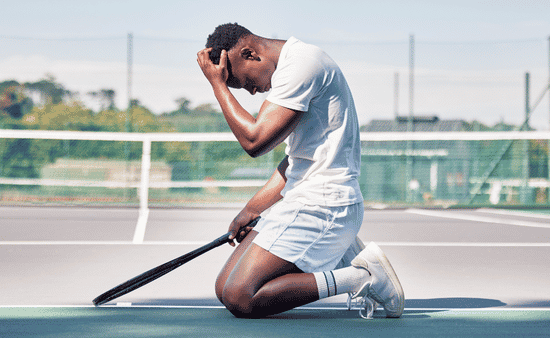
Competition, even at a casual or amateur level, teaches valuable lessons in resilience. In any given match, a player will experience both success and failure. Learning to lose gracefully and win with humility builds emotional intelligence.
As players improve their skills, they may seek out more structured environments to test their progress. Participating in events like local pickleball tournaments provides a healthy outlet for competitive drives. These organized settings help individuals set goals, manage performance anxiety, and develop a sense of achievement that boosts self-esteem. The ability to handle a difficult loss on the court often translates into a better ability to handle setbacks in the workplace or home life.
Accessibility and Reduced Barriers
The psychological perks of sports are only accessible if people actually participate. The rise of accessible racket sports is largely due to their low barrier to entry. When a sport is easy to learn, the initial frustration often associated with new hobbies is minimized.
Quick success in learning a new skill triggers the brain’s reward system, encouraging continued participation. This sense of self-efficacy—the belief in one’s ability to succeed—is a cornerstone of positive mental health. When a person sees tangible improvement in their game over just a few weeks, it reinforces a positive self-image and encourages a growth mindset.
A Holistic Approach to Wellness
Ultimately, the courts are becoming a vital space for holistic health. By combining physical movement with social bonding and cognitive challenges, today’s rising sports address the needs of the whole person. The psychological perks are not just side effects of the game; they are the very reason millions of people are making these activities a permanent part of their lives. In an increasingly digital world, the tangible, face-to-face interaction found on the court is a powerful tool for maintaining mental equilibrium.
