

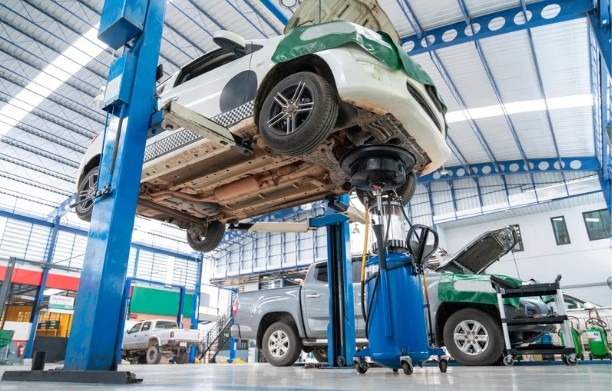
Many car enthusiasts and homeowners struggle with finding adequate space to store their vehicles, tools, and spare parts. When a workspace becomes cluttered, it becomes difficult to navigate and significantly increases the risk of accidental damage to your car. Creating a well-organized environment is essential for anyone who values their vehicles and wants to keep maintenance equipment within arm’s reach.
A strategic approach to organizing your gear can transform a cramped area into a highly functional workspace. Proper organization saves time when you need specific tools and keeps your primary investments safe from tripping hazards or falling objects. You will enjoy a much smoother workflow when every wrench, seasonal tire, and polishing compound has a dedicated spot.
This guide explores six practical methods to improve how you store your automotive necessities. Applying these concepts will help you maximize your available square footage, establish a logical layout, and ultimately build a cleaner, safer environment for your automotive projects.
1. Install Overhead Ceiling Racks
The ceiling is often the most underutilized area in any storage space. By installing heavy-duty overhead racks, you can get bulky, infrequently used items completely out of the way. This is an excellent solution for storing seasonal items like winter tires, roof boxes, or oversized car parts that otherwise consume valuable floor space.
When selecting overhead storage, ensure the weight capacity greatly exceeds the items you plan to store. Secure the racks directly into the ceiling joists to maintain structural integrity and prevent accidents. Keeping the floor clear allows you to park vehicles easily and maneuver floor jacks without obstruction.
2. Invest in a Custom Metal Structure
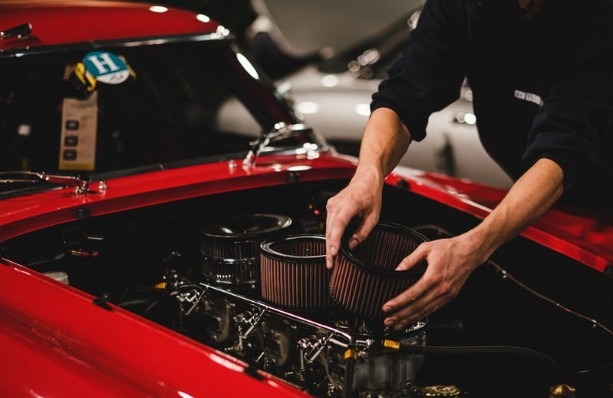
Sometimes, reorganizing your current layout simply is not enough. If your vehicle collection or tool inventory has outgrown your existing capacity, expanding your square footage might be the most logical step. A dedicated exterior building allows you to separate your automotive hobby from general household storage entirely.
Constructing a new exterior structure offers unparalleled flexibility. For example, hiring a garage builder in Huntsville to erect a durable, weather-resistant metal building ensures your vehicles are protected from the elements. Metal structures are highly customizable, meaning you can dictate the exact roof height for a future car lift or specify the door dimensions to accommodate large recreational vehicles.
3. Utilize Heavy-Duty Wall Shelving and Slatwalls
Bare walls offer a massive amount of storage potential. Traditional pegboards are great for smaller hand tools, but modern slatwall systems and heavy-duty steel shelving provide much more versatility. Slatwalls allow you to snap in custom hooks, baskets, and brackets that can hold everything from extension cords to heavy power tools.
To maximize this vertical space, group your items by category. Keep car washing supplies on one shelf, engine fluids on another, and power tools organized on sturdy hooks. This visual inventory system ensures you instantly know where an item belongs after you finish using it, just as organized kitchen safety starts with proper water in three compartment sink use.
4. Choose Mobile Tool Cabinets
Stationary workbenches are useful, but mobile tool cabinets offer superior flexibility for active automotive projects. When you are working under the hood or rotating tires, constantly walking back and forth to a wall-mounted tool rack breaks your focus and wastes time.
A high-quality rolling tool chest allows you to bring your tools directly to the vehicle. Look for cabinets with heavy-duty casters, ball-bearing drawer slides, and built-in wooden or metal worktops. Once the job is done, you can simply roll the cabinet back into its designated corner, immediately restoring your open floor plan.
5. Create Dedicated Work Zones
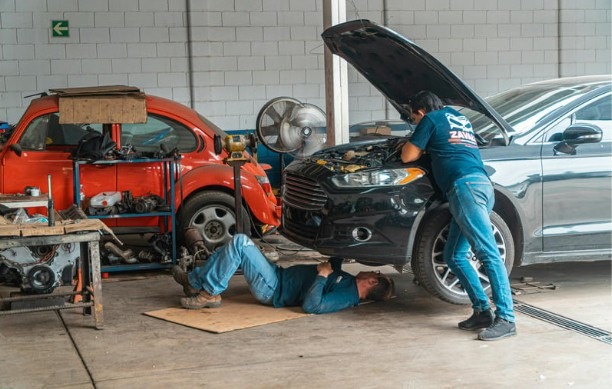
A common mistake in automotive storage is mixing unrelated items together. Storing gardening equipment next to your car polishing pads can lead to cross-contamination and dirt transfer. To solve this, divide your space into distinct zones based on functionality.
Establish a specific “clean zone” for detailing supplies, microfiber towels, and waxes. Designate a separate “dirty zone” for oil drain pans, greases, and heavy mechanical tools. By compartmentalizing your space, you prevent dirt from spreading and make it easier to maintain a spotless environment for your vehicles.
6. Implement Proper Fluid and Chemical Storage
Automotive maintenance requires a variety of harsh chemicals, from motor oil and brake fluid to heavy-duty degreasers. Storing these items haphazardly on the floor or on flimsy wooden shelves is a major safety hazard. Spills can cause slips, stain your concrete flooring, and create dangerous fumes.
Invest in a dedicated metal safety cabinet for all chemical storage. Ensure the cabinet features a lip at the bottom to contain any accidental leaks. Additionally, keep absorbent materials like shop towels or spill containment granules nearby. Properly storing these fluids extends their shelf life and ensures your workspace remains a safe environment.
Streamlining Your Automotive Space
Improving your automotive storage setup requires a mix of decluttering, strategic planning, and utilizing the right hardware. By taking advantage of vertical space, investing in mobile solutions, and categorizing your equipment, you can reclaim your floor plan and work much more efficiently. Implementing even a few of these strategies will help you maintain a clean, highly functional environment that protects your vehicles and supports your maintenance projects.
