

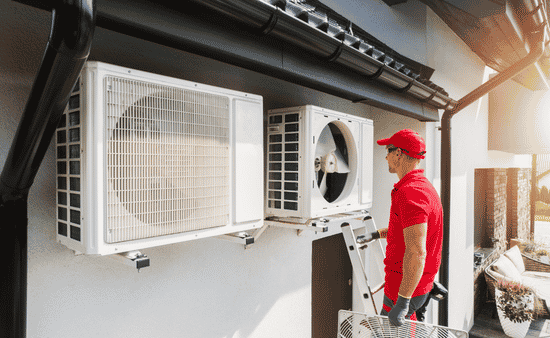
The systems responsible for making a modern home functional are often out of sight and, unfortunately, out of mind for many property owners. The heating, ventilation, and air conditioning (HVAC) unit, the plumbing network, and the electrical wiring are the silent workhorses that ensure comfort and safety.
Neglecting these core components leads to inefficiency, premature failure, and expensive emergency repairs. A consistent, proactive approach to maintenance is the only reliable way to preserve the longevity and performance of these essential utilities.
The HVAC System: Breathing Life into Your Home
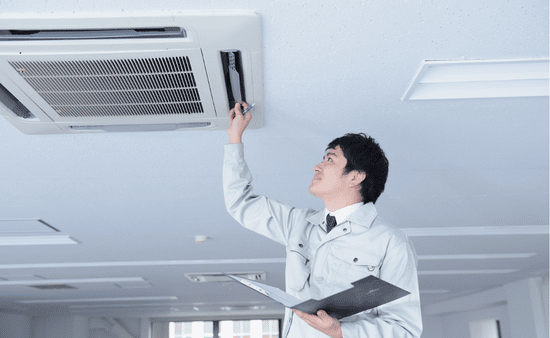
Your HVAC unit regulates the temperature and air quality within your living space. Its performance directly affects your monthly utility bills and overall comfort. Regular attention to this system is not optional; it is fundamental to energy conservation and reliable operation.
Air Filter Management
The simplest and most critical maintenance task is regularly replacing or cleaning the air filters. Dirty filters impede airflow, forcing the system to work harder, which raises energy costs and increases wear on the blower motor. Depending on the filter type and household usage, this task should be performed every one to three months. A clean filter is the first line of defense for both your system’s health and your indoor air quality.
Coil Cleaning and Maintenance
The evaporator and condenser coils are vital for the heat transfer process. Over time, dirt and debris accumulate on both sets of coils, insulating them and reducing their ability to absorb and release heat effectively.
For the outdoor condenser unit, keep the surrounding area clear of foliage and debris. For the indoor evaporator coil, professional cleaning is usually necessary to remove accumulated grime and ensure maximum efficiency.
Annual Professional Checkup
Scheduling an annual service appointment with a qualified technician ensures that complex components are inspected. A professional will check refrigerant levels, lubricate moving parts, test the thermostat accuracy, and inspect electrical connections. These comprehensive checks catch small problems before they escalate into significant system failures during peak usage seasons.
Plumbing Networks: Protecting Against Water Damage
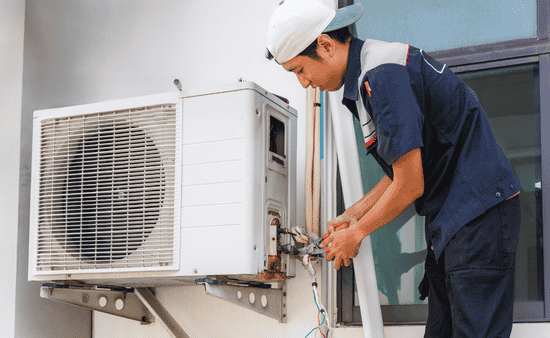
A reliable plumbing system is crucial for daily life, but leaks, clogs, and reduced water pressure can quickly become major headaches. Preventing water damage is the primary goal of diligent plumbing upkeep.
Faucet and Fixture Inspections
Periodically examine all faucets, showerheads, and toilets for signs of dripping or slow leaks. Even a minor drip wastes a substantial amount of water over time and indicates a failing washer or seal that should be replaced promptly. Similarly, inspect exposed pipes in basements, under sinks, and in utility rooms for any moisture or corrosion.
Drain Care and Prevention
Avoid using chemical drain cleaners, which can corrode pipes. Instead, prevent clogs by being mindful of what goes down the drains. Use drain screens to catch hair and debris. For kitchen sinks, minimize the disposal of grease and fibrous foods. Periodic flushing with boiling water and a mixture of baking soda and vinegar can help keep lines clear and prevent slow drainage issues.
Water Heater Flushing
Sediment naturally builds up at the bottom of a water heater tank. This accumulation reduces the unit’s heating efficiency and lifespan. To mitigate this, flush the tank annually. This process involves turning off the power or gas, shutting off the cold-water supply, and draining several gallons of water from the tank to remove settled minerals and particles.
This approach to maintenance extends beyond internal systems. Homeowners with their own wastewater treatment must also consider external components. For those in certain areas, ensuring the proper function of the wastewater system is vital.
For example, maintaining a clear drainage field is just as important as routine maintenance for the system itself, and sometimes involves specialized knowledge, such as coordinating a professional service for septic tank cleaning in Salt Lake City to ensure the entire system operates without issue.
Electrical Systems: Safety and Performance
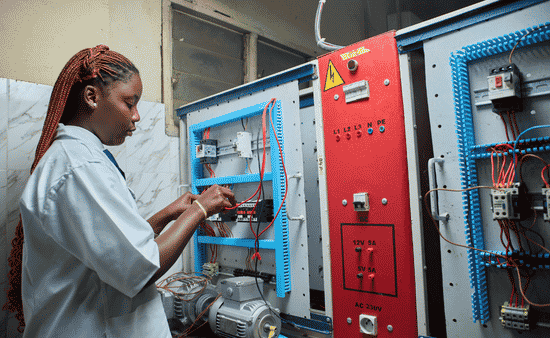
The electrical system is arguably the most hazardous to neglect, given the risk of fire and shock. While most electrical work requires a licensed professional, homeowners can and should perform routine visual inspections, simple maintenance tasks, and Smart Home Upgrades to improve safety, efficiency, and convenience throughout the home.
Circuit Breaker Panel Review
Familiarize yourself with your main circuit breaker panel. Ensure the area around it is clear and accessible. Label all circuits clearly so you can quickly identify the source of any tripped breaker.
If a breaker trips frequently, this signals an underlying problem with the circuit, which requires immediate attention from an electrician. Do not simply reset a frequently tripping breaker without investigating the cause.
Outlet and Switch Checks
Check all outlets and light switches for visible signs of damage, such as cracking or discoloration, which can indicate overheating. Test Ground Fault Circuit Interrupter (GFCI) outlets monthly by pressing the “Test” button to ensure they trip, cutting off power as designed to prevent electric shock in areas near water, like kitchens and bathrooms.
Wire and Cord Management
Inspect all accessible wiring and appliance cords for fraying, exposed insulation, or kinks. Never run extension cords under rugs or where they can be pinched or overloaded. Overloaded outlets and misused extension cords are common causes of residential fires.
Ensure all light fixtures have the correct wattage bulbs installed as specified on the fixture’s rating, and remember that investing in premium lighting fixtures adds long-term value to homes by improving both safety and overall aesthetic appeal.
Conclusion
Taking a proactive stance on maintaining your HVAC, plumbing, and electrical systems is the defining characteristic of responsible homeownership. It transforms a house from a structure that simply exists into a well-oiled, efficient, and safe dwelling.
By adhering to a regular schedule of inspections and preventative measures, you protect your investment, reduce utility expenses, and minimize the chance of unexpected, high-cost failures.
