


Most people view brushing and flossing simply as ways to prevent cavities and keep their breath fresh. Taking care of your teeth does give you a bright smile. However, looking after your gums and teeth does much more than that. Your mouth is a powerful indicator of what is happening in the rest of your body.
Beyond the Smile: Oral Health as a Window to General Health

Your mouth serves as the primary entry point to your digestive and respiratory tracts. Naturally, it teems with bacteria. Most of these bacteria are harmless, and your body’s natural defenses usually keep them under control. Good daily oral hygiene, like brushing and flossing, supports these defenses and helps you get a confident smile.
Without proper oral care, bacteria can reach levels that might lead to oral infections, such as tooth decay and gum disease. Even more concerning, a dentist can often detect early signs of systemic diseases simply by examining your mouth. Conditions like nutritional deficiencies, immune disorders, and certain cancers frequently show their very first symptoms in the form of oral lesions or severe gum problems.
Systemic Diseases Linked to Oral Health
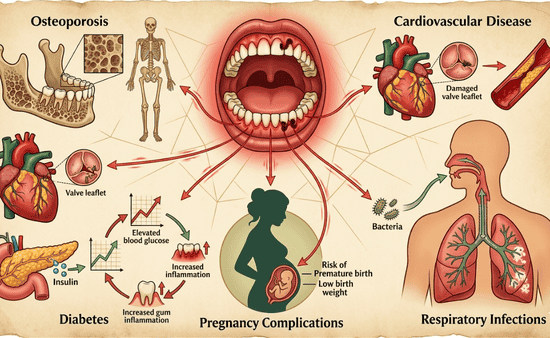
When oral bacteria multiply and enter your bloodstream, they can travel to distant organs and cause significant damage. Scientists have found direct connections between poor oral health and several major systemic diseases.
Cardiovascular Disease
Heart disease and oral health are closely linked. Bacteria from inflamed gums can enter your bloodstream and travel to the arteries in your heart. These bacteria can cause the arteries to harden, a condition known as atherosclerosis. This hardening increases your risk of suffering a heart attack or stroke. Additionally, oral bacteria can infect the inner lining of your heart chambers and valves, leading to a dangerous condition called endocarditis.
Diabetes
People living with diabetes are generally more susceptible to infections, making them highly vulnerable to gum disease. Severe gum disease can actually spike blood sugar levels. This creates a difficult cycle: poor blood sugar control leads to worse gum infections, and those severe gum infections make diabetes harder to manage. Regular periodontal care is vital for anyone trying to keep their diabetes under control.
Respiratory Infections

Your mouth sits right above your lungs. If you have infected teeth or swollen gums, you breathe in harmful bacteria with every single breath. Once these bacteria enter your lower respiratory tract, they can cause respiratory infections, including pneumonia. This risk is especially high for older adults and individuals with weakened immune systems.
Pregnancy Complications
Hormonal changes during pregnancy often cause the gums to swell and bleed easily. If this develops into periodontitis, it can pose serious risks to the baby. Severe gum disease in pregnant women has been repeatedly linked to premature birth and low birth weight. Maintaining excellent dental care during pregnancy protects both the mother and the child.
Osteoporosis
Osteoporosis weakens bones, making them fragile and prone to breaking. This bone-thinning disease can also affect the jawbone. When the jawbone loses density, teeth become loose and may eventually fall out. Certain medications used to treat osteoporosis carry a small risk of causing damage to the jawbone, making regular dental checkups essential for those with the condition.
The Role of Inflammation
Inflammation is the primary link between gum disease and the rest of your body. When bacteria infect your gums, your immune system responds by creating localized inflammation. If the infection goes untreated, this localized swelling becomes a chronic, systemic problem.
Chronic inflammation keeps your immune system on constant high alert. Over time, this exhausts your body and damages healthy tissues. This persistent inflammatory response is a key driver behind the worsening of cardiovascular disease, diabetes, and rheumatoid arthritis, making it crucial to address oral health problems promptly and call the dentist for urgent care when needed.
Practical Steps for Optimal Oral and Overall Health
Protecting your oral health requires consistency. Brush your teeth at least twice a day using fluoride toothpaste. Floss daily to remove the plaque and food particles that your toothbrush cannot reach. Limit your intake of sugary snacks and acidic drinks, as these erode tooth enamel and feed harmful bacteria.
Schedule regular dental checkups and cleanings every six months. Your dentist can spot minor issues before they turn into major health hazards. If you experience sudden, severe tooth pain or knock out a tooth, do not wait for your next scheduled appointment—contact an emergency dentist in South Jordan immediately to prevent the spread of infection. Replace your toothbrush every three to four months, or sooner if the bristles become frayed.
Conclusion
Your teeth and gums tell a detailed story about your overall wellness. Taking a few extra minutes each day to care for your mouth can pay massive dividends for your heart, lungs, and immune system. Make dental hygiene a non-negotiable part of your daily health routine. By giving your oral health the same respect as diet and exercise, you give your body its best chance to thrive.
