

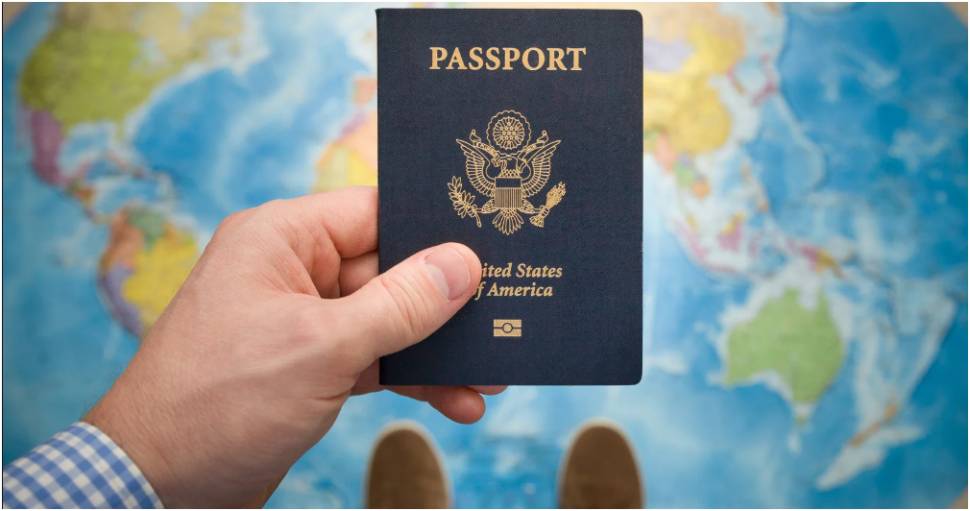
I never thought I’d need to learn how to apply for an emergency passport until I found myself standing in a hotel room, suitcase open, passport missing, and a flight home in two days. That moment taught me something important—panic doesn’t help, but a clear plan does.
Since then, I’ve built a simple routine around travel safety, and I know exactly what steps to take when things go wrong. If you’re in the same situation or just want to be prepared, here’s how I handle it in real life.
What should you do first when you realize your passport is gone?

The first thing I do is stop and retrace my steps quickly. I check my bag, hotel safe, and pockets before assuming the worst. But once I know it’s gone, I act fast.
I report the loss immediately. If I’m abroad, I head to the nearest police station and file a report. It sounds like an extra step, but I’ve learned that some countries require it before you leave, and embassies often ask for it too.
Then I contact the nearest embassy or consulate. I don’t wait. I call, email, or check their website for instructions. If it’s after hours, I use the emergency contact line. Acting quickly makes everything smoother later.
How to apply for an emergency passport when you’re abroad?
When I’m outside the country, the process feels stressful at first, but it’s actually very structured. Once I reach the embassy, things move quickly.
I schedule an appointment as soon as possible. Most embassies require it, but if your travel is urgent, they often prioritize you. I’ve seen cases where people get same-day help.
The key is showing urgency. I always bring proof of travel like flight tickets. That tells the staff I’m not just replacing a lost document—I need to move soon.
In most cases, they issue an emergency passport within 24 hours or by the next business day. That speed surprised me the first time, but it’s designed exactly for situations like this.
What documents do you actually need for how to apply for an emergency passport?
This part stressed me out the most the first time. I assumed I needed everything perfectly organized. But the truth is, you just need to bring as much as you can.
I always fill out Form DS-11 and Form DS-64 but leave them unsigned until instructed. I carry a passport photo or get one taken nearby since most embassies don’t offer photo services.
For identification, I use my driver’s license or even a photocopy of my passport if I have it saved. That’s why I now keep digital backups on my phone and email.
If I don’t have proof of citizenship, the embassy can verify it through a file search. That safety net makes a huge difference when everything feels lost.
How to apply for an emergency passport in the U.S. before urgent travel?
If I’m in the U.S. and realize I lost my passport right before a trip whether its traveling to foodie travel destinations somehwere in Asia, I follow a slightly different routine.
I book an appointment at a regional passport agency. These slots are only for urgent travel within 14 days or emergencies, so I act fast. Availability fills quickly, especially during peak travel seasons.
I bring all my documents—forms, ID, citizenship proof, and travel itinerary. I also prepare to pay the standard fee plus an expedite fee. It costs more, but it saves your trip.
The biggest advantage here is speed. In many cases, I can get the passport the same day or within a couple of days, which keeps my plans on track.
What does an emergency passport look like and how long does it last?
The first time I received one, I noticed it looked different. It’s usually a purple passport, not the standard blue one.
It comes with limited validity, often up to one year. It also doesn’t include an electronic chip, which matters in some travel situations.
Here’s a quick breakdown I keep in mind:
| Feature | Emergency Passport | Regular Passport |
| Color | Purple | Blue |
| Validity | Up to 1 year | 10 years |
| Processing Time | Same day / 24 hrs | Weeks |
| Chip | No | Yes |
I treat it as a temporary fix. Once I return home, I always replace it with a full-validity passport.
How-To: how to apply for an emergency passport step by step
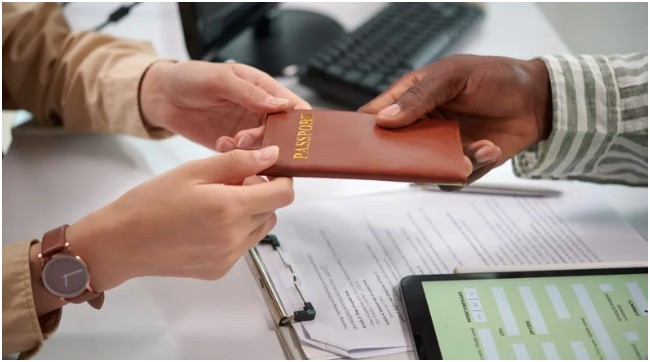
Here’s exactly how I handle it when time matters and stress runs high.
First, I confirm the passport is truly lost and not misplaced. Once I’m sure, I report it immediately using Form DS-64 or during my application.
Next, I gather everything I can—ID, travel proof, and any passport copies. I don’t wait for perfection. I work with what I have.
Then I contact the nearest embassy or passport agency and secure an appointment. I make urgency clear and provide my travel details.
At the appointment, I submit Form DS-11, my documents, and fees. I stay calm, answer questions clearly, and follow instructions.
Finally, I wait for processing, which usually happens quickly. In most cases, I walk out with an emergency passport within a day.
How much does it cost and can fees be waived?
I always prepare for the cost, but I also know there’s some flexibility in extreme cases.
For adults, the fee usually sits around $165 abroad. In the U.S., I pay $130 plus a $35 execution fee and a $60 expedite fee.
If someone faces a serious situation like a crime or disaster, fees can be waived. I’ve seen this happen, and it shows that the system tries to help when it matters most.
Planning for the cost removes one more layer of stress from an already intense situation.
Are there any travel restrictions with an emergency passport?
This is something I learned the hard way. Not every country accepts emergency passports for visa-free entry.
Before I continue my trip, I always check entry requirements for my destination. It takes a few minutes, but it prevents major problems at the airport.
If needed, I adjust my route or travel plans. Flexibility becomes your best friend in situations like this.
What should you do after you get back home?
Once I return, I don’t forget about the temporary passport. I replace it as soon as possible.
I submit Form DS-5504 within one year to exchange it for a full-validity passport. The best part is that I don’t pay an extra fee for this replacement.
This step completes the process and gets everything back to normal, so I can travel again without restrictions.
FAQs about how to apply for an emergency passport
1. How fast can I get an emergency passport?
Most emergency passports are issued within 24 hours or the next business day. In urgent cases, some embassies even provide same-day service if you show proof of travel.
2. Can I travel internationally with an emergency passport?
Yes, but not everywhere. Some countries don’t accept it for visa-free entry. Always check requirements before traveling to avoid being denied boarding or entry.
3. What if I don’t have any ID or documents?
Embassies can help verify your identity through a file search. Bring whatever you have, even digital copies. They work with you to confirm your citizenship.
4. Do I need a police report if my passport was stolen?
It’s not always required, but I strongly recommend it. Some countries require it for exit, and it helps support your case during the replacement process.
Lost passport chaos—but here’s how I stay in control
Losing a passport used to feel like a nightmare scenario to me. Now, I see it as a situation I can handle with a clear routine and quick action.
Once you understand how to apply for an emergency passport, everything feels less overwhelming. You know where to go, what to bring, and how to move forward without panic.
My biggest tip? Always keep digital copies of your documents and act immediately when something goes wrong. That one habit alone can save you hours of stress—and possibly your entire trip.
