

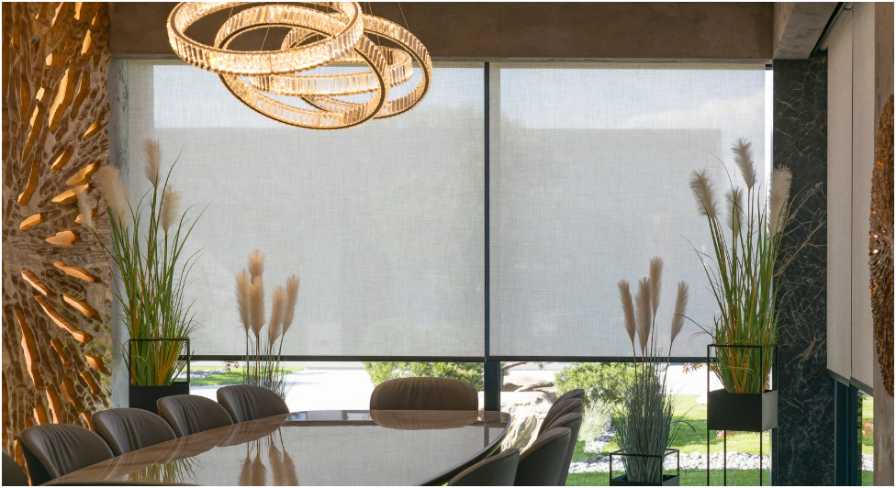
Roller blinds have become a popular window covering choice among homeowners in Sydney due to their simplicity, versatility, and ease of use. Selecting the right roller blinds can enhance the aesthetics of a space while providing practical benefits such as light control and privacy. This guide outlines key considerations when choosing roller blinds in Sydney, helping consumers make informed decisions suited to their needs.
Understanding Roller Blinds
Roller blinds are a type of window covering made from a fabric that rolls up onto a tube, typically mounted at the top of the window frame. These blinds offer a sleek, minimalistic appearance and are available in a wide range of fabrics, colours, and textures. They can be manually operated or motorised, offering flexibility according to user preferences.
Benefits of Roller Blinds
The primary advantages of roller blinds include ease of operation, space-saving design, and adaptability to different interior styles. They provide effective light filtration, helping to reduce glare and protect furnishings from sun damage to add long term value to your homes. In addition, roller blinds contribute to energy efficiency by offering insulation against heat and cold.
Considerations for Choosing Roller Blinds in Sydney
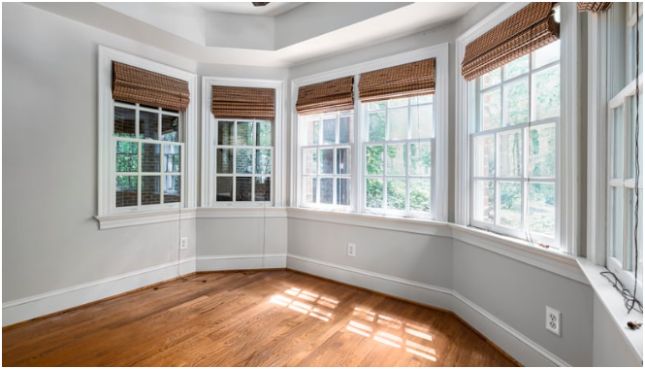
When selecting roller blinds in Sydney, it is important to consider several factors:
1. Fabric Type
The fabric used for roller blinds affects functionality and appearance. Options include sheer, light-filtering, and blackout fabrics. Sheer fabrics allow natural light while maintaining some privacy, suitable for living areas. Light-filtering materials balance illumination and privacy, while blackout fabrics provide complete darkness, ideal for bedrooms or media rooms.
2. Colour and Design
Roller blinds come in an extensive palette of colours and patterns, enabling coordination with existing décor. Neutral shades can create a subtle background, while bold colours can provide a focal point. Selecting a design that complements window size and room style enhances overall harmony.
3. Mounting Options
Blinds can be mounted inside or outside the window frame. Inside mounts offer a clean, integrated look and allow the window frame to remain visible. Outside mounts can cover larger areas and may be used to hide unattractive window frames or provide a blackout effect.
4. Control Mechanisms
Manual operation through chains or spring mechanisms is common and affordable. Alternatively, motorised roller blinds offer convenience through remote controls or automation systems, which can improve accessibility for hard-to-reach windows and integrate with smart home technology.
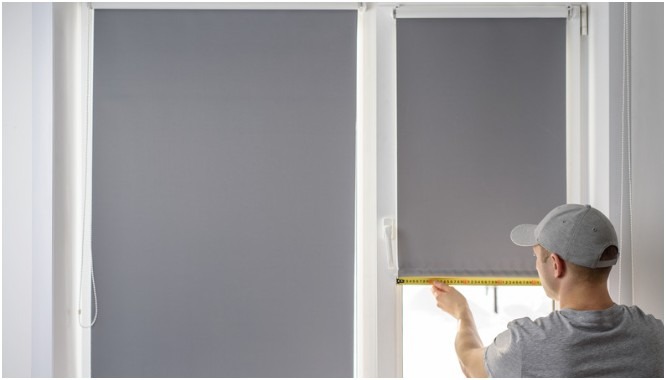
5. Size and Measurements
Precise measurements are essential to ensure a proper fit. It is advisable to use professional measuring services or carefully follow guidelines if self-measuring. Incorrect sizing can result in poor operation and reduced light control.
6. Privacy and Light Control Needs
Different rooms have varying privacy and light requirements. For example, bathrooms may require moisture-resistant blackout blinds, whereas kitchens benefit from washable, light-filtering fabrics. Identifying the purpose of each room aids in selecting the most appropriate blind type to increase you home privacy.
7. Budget Constraints
Roller blinds are available across a spectrum of price points depending on fabric quality, control options, and customisation. Establishing a budget upfront can help narrow down choices and avoid overspending.
Where to Buy Roller Blinds in Sydney
Consumers in Sydney seeking quality roller blinds have access to numerous suppliers and specialists. One reputable source offering a variety of options is roller blinds Sydney, which provides comprehensive selections tailored to different needs and preferences.
Installation and Maintenance
Proper installation is crucial for the functionality and longevity of roller blinds. Many suppliers offer professional fitting services ensuring correct mounting and operation. Maintenance is relatively straightforward, requiring regular dusting or gentle cleaning with recommended products. Avoiding harsh chemicals prolongs the fabric’s lifespan.
Energy Efficiency Considerations
Roller blinds contribute to energy efficiency by reducing heat gain during Sydney’s hot summers and conserving warmth in winter. Selecting fabrics with thermal reflective properties can improve insulation, lowering energy costs while enhancing comfort.
Safety Considerations
For homes with children or pets, choosing roller blinds with cordless or motorised options enhances safety by eliminating strangulation hazards posed by cords or chains. Many manufacturers now offer compliant designs prioritising user safety also provide smart home upgrade feel.
Customisation Options
Modern roller blinds can be customised in terms of size, fabric, colour, and operation methods. Some suppliers even offer tailored solutions for unusual window shapes or specific design requirements, allowing seamless integration into home or office environments.
Environmental Impact
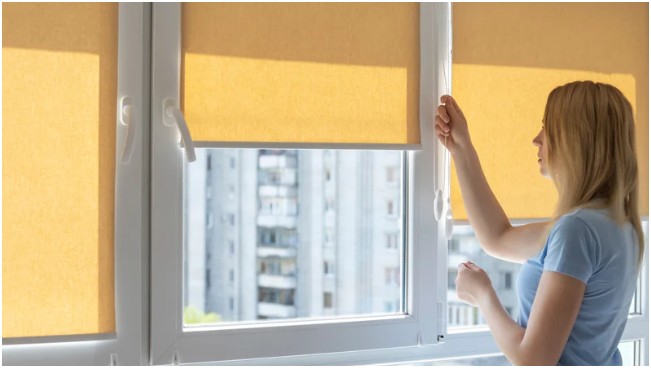
Selecting roller blinds made from sustainable or recyclable materials contributes to environmental responsibility. Consumers can inquire about fabric origins and production processes when making decisions. Eco-friendly options are increasingly available within the market.
Final Recommendations
Choosing roller blinds in Sydney involves balancing aesthetics, functionality, safety, and budget. By carefully evaluating fabric types, control options, and supplier reputation, consumers can select appropriate window coverings that enhance both comfort and style. Engaging professional advice and installation services can further ensure satisfaction and optimal performance.
Conclusion
Roller blinds present a practical and stylish window solution suited to the diverse climates and interior styles found in Sydney. With ample choices available through specialised providers such as roller blinds Sydney, customers can confidently select products tailored to their specific requirements. This guide serves as a comprehensive resource to support well-informed purchasing decisions that improve living and working environments.
