

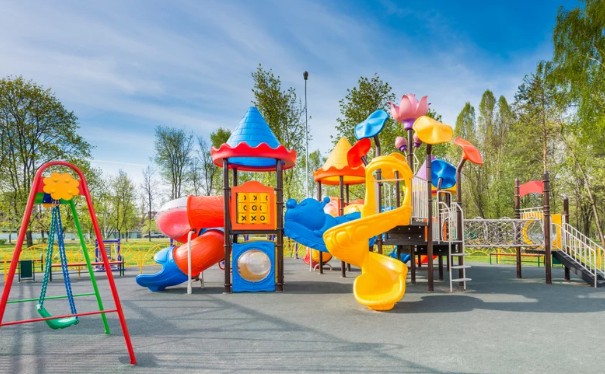
Playgrounds are important spaces where children learn, grow, and build friendships. However, traditional playgrounds often exclude children with disabilities due to inaccessible features like swings, slides, and surfaces. Inclusive playground design aims to remove these barriers, ensuring all children can participate and enjoy the experience.
Key Elements of Inclusive Design
Creating a truly inclusive playground requires a multi-faceted approach. It involves carefully considering every aspect of the play environment, from the ground up, to ensure it meets the diverse needs of all children.
Accessible Surfaces and Pathways
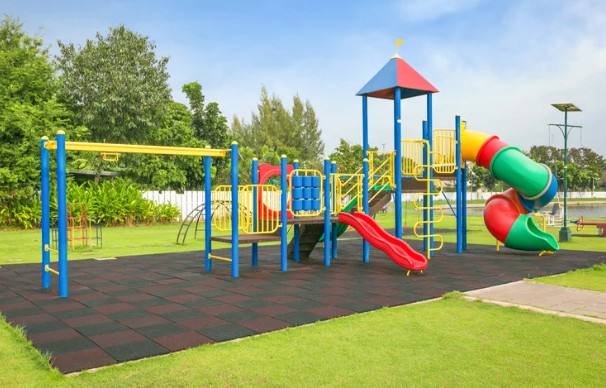
The foundation of an inclusive playground is its surface. Traditional materials like sand, wood chips, or gravel can be difficult for wheelchairs, walkers, and strollers to navigate. Instead, inclusive playgrounds use unitary surfaces like poured-in-place rubber or rubber tiles.
These materials provide a smooth, stable, and slip-resistant foundation that allows everyone to move freely and safely throughout the play area. Wide, clear pathways connect different play zones, ensuring easy navigation for all.
Ramps and Transfer Systems
Steps and ladders can be significant barriers. Inclusive playgrounds replace these with ramps, allowing children who use mobility devices to access elevated structures like slides and play decks. Where ramps aren’t feasible, transfer systems provide a solution.
These systems offer a series of platforms at different heights, allowing a child to move from their wheelchair onto the play equipment with support. This design empowers them to participate in the same activities as their peers.
Sensory Play Opportunities
Play is a sensory experience, and an inclusive playground should engage all the senses. Incorporating a variety of textures, sounds, and colors can create a rich environment for children with sensory processing disorders, including those on the autism spectrum.
Features like musical instruments, textured walls, sand and water tables, and fragrant plants offer diverse sensory inputs. These elements can be both stimulating for some children and calming for others, providing a balanced and engaging experience for everyone. Providing areas with park shades like those in Idaho can also help create comfortable sensory zones away from direct sunlight.
Adaptable and Varied Equipment

The best inclusive playgrounds offer a wide range of play equipment that supports different types of play and abilities. This includes:
- Supportive Swings: High-backed swings, bucket swings, and platform swings allow children who need more support to enjoy the sensation of swinging.
- Slides with Options: Roller slides can reduce static electricity, which can interfere with cochlear implants. Double-wide slides allow a parent or friend to slide down alongside a child who needs assistance.
- Ground-Level Play: Many activities should be accessible at ground level. This can include play panels, interactive games, and spinning elements that don’t require climbing.
- Quiet Spaces: It’s also important to provide quieter, less stimulating areas where children can retreat if they feel overwhelmed. Benches, small nooks, or designated cozy corners can offer a safe space to rest and recharge.
The Transformative Benefits of Inclusive Play
When we design playgrounds for everyone, the benefits extend far beyond physical access. Inclusive play fosters critical developmental skills for all children, with or without disabilities.
Social and Emotional Development
Inclusive playgrounds are natural settings for children to interact with peers from diverse backgrounds and abilities. This interaction helps break down stereotypes and builds a foundation of empathy and understanding from a young age. Children learn to cooperate, take turns, and appreciate differences.
For a child with a disability, being able to play alongside their peers boosts self-esteem and fosters a sense of belonging. For a typically developing child, it cultivates compassion and teaches them that everyone has unique strengths.
Physical Development
These playgrounds are designed to challenge children at their own level. A variety of equipment encourages the development of motor skills, balance, and coordination for everyone.
A child might work on their upper body strength on a climbing wall while another builds core strength on an accessible spinner. The design ensures that all children can find activities that are both fun and physically beneficial.
Also Read: Snowy Adventures You Can’t Miss This Winter
Cognitive and Creative Growth
Inclusive playgrounds stimulate the mind. Interactive panels can teach cause and effect, while imaginative play structures like forts and ships encourage storytelling and creativity. By providing multiple ways to engage with the equipment, these spaces promote problem-solving and critical thinking.
Conclusion
Inclusive playgrounds are a testament to a community’s commitment to all its members. They send a powerful message that every child, regardless of ability, deserves the joy and developmental benefits of play. Creating these spaces requires awareness, planning, and community involvement.
