


As the calendar flips from one month to the next, you probably notice shifts in the weather. The crisp air of autumn feels vastly different from the humid heat of mid-July. Your skin feels these shifts, too. Temperature fluctuations, varying humidity levels, and changing wind patterns all interact directly with your skin barrier.
Spring: Rejuvenation and Renewal
Spring brings warmer temperatures and increased humidity. Your skin naturally begins to produce more oil as the air loses its winter chill. This is the perfect time to shed the heavy, protective layers of your cold-weather routine, focus on gentle renewal practicing minimal skin intervention.
Focus on Exfoliation
During the winter, dead skin cells tend to accumulate. Spring is the ideal moment to introduce a gentle chemical exfoliant, like a mild AHA or BHA. This helps clear away dull, dry patches and unclogs pores that might be trapped under excess sebum.
Lighten Your Moisturizer
Swap out the thick, heavy creams of winter for a lighter lotion or gel-based moisturizer. Your skin needs hydration, but it no longer requires a thick physical barrier to protect against freezing winds. Hyaluronic acid is an excellent ingredient to look for, as it draws moisture into the skin without feeling heavy.
Summer: Sun Protection and Hydration
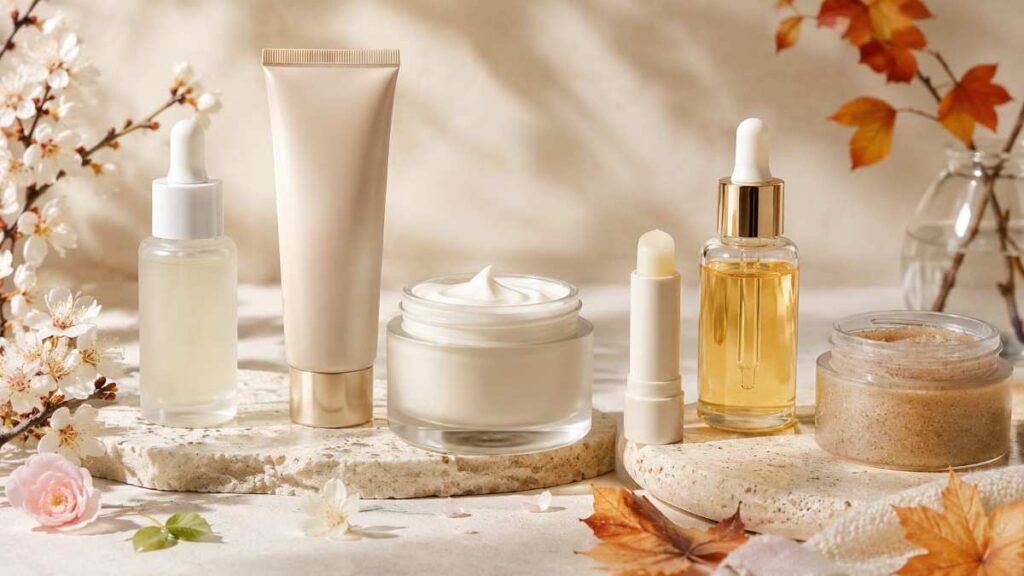
Summer exposes your skin to intense ultraviolet rays, high heat, and heavy humidity. Sweat and excess oil production can quickly lead to congested pores. The primary goal and one of the best morning habits during these months is protecting your skin from the sun while keeping it clean and hydrated.
Upgrade Your SPF
While sunscreen is mandatory all year, summer requires extra diligence. Choose a broad-spectrum SPF 30 or higher and apply it generously every morning. Reapply every two hours if you spend time outdoors, swim, or sweat heavily.
Switch to Lightweight Serums
Heavy products trap sweat and oil, often causing summer breakouts. Rely on antioxidant-rich serums, particularly Vitamin C, to provide hydration and protect your cells from environmental stressors. A lightweight formula will absorb quickly and sit comfortably under your sunscreen.
Autumn: Repair and Transition
As the weather cools down and the air becomes crisp, humidity drops. Autumn is a transitional phase. It is the perfect time to repair any damage caused by summer sun exposure while preparing your skin barrier for the harsh cold ahead.
Address Hyperpigmentation
Months of sun exposure can leave behind dark spots and uneven skin tone. Incorporate brightening ingredients like niacinamide, licorice root extract, or a gentle retinol. These compounds help fade summer sun damage and encourage cell turnover.
Introduce Richer Creams
Begin swapping your gel moisturizers for slightly thicker lotions. The cooler air pulls moisture away from the skin, so you need ingredients like ceramides to help lock in hydration and rebuild your skin’s natural protective barrier.
Winter: Intense Nourishment and Protection
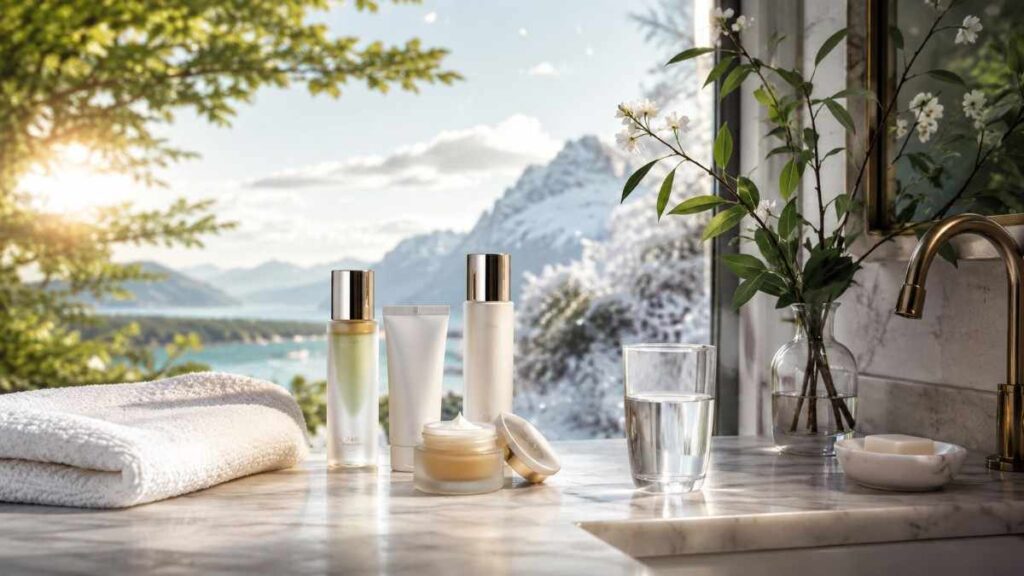
Winter is notoriously harsh on the skin. Freezing temperatures, biting winds, and artificial indoor heating strip away moisture rapidly. The main objective during the colder months is intense nourishment and preventing moisture loss.
Prioritize Heavy Creams and Oils
Switch to a rich, heavy cream that contains emollients and occlusives like shea butter or squalane. These ingredients form a protective seal over the skin, preventing water from evaporating into the dry winter air. Adding a few drops of facial oil on top of your moisturizer at night can provide an extra layer of defense.
Protect Your Lips and Eyes
The skin around your eyes and on your lips is exceptionally thin, making it the first to crack and peel in winter. Use a dedicated, rich eye cream and apply a heavy lip balm or ointment throughout the day.
General Tips for All Seasons
Certain beauty habits like discovering finest facials remain essential regardless of what the thermometer reads. Maintaining a consistent foundation ensures your seasonal adjustments work effectively.
Keep your body hydrated by drinking plenty of water, and aim for adequate sleep every night to allow your skin time to repair itself. Your diet also plays a massive role; consuming foods rich in omega-3 fatty acids and antioxidants supports a clear, resilient complexion. Sometimes, at-home care is not quite enough. Seeking out professional skin care treatments in Salt Lake City or your local area can help you accurately assess your skin type and address specific, stubborn concerns.
Conclusion
Adapting your beauty routine to the weather does not mean overhauling your entire medicine cabinet every three months. It is about making smart, targeted swaps that respond to the environment. By paying close attention to how your skin feels and reacting with the right levels of hydration, exfoliation, and protection, you can maintain a vibrant and healthy complexion no matter what the forecast predicts.
