


Owning multiple rental units can be a lucrative investment, but it also comes with its unique set of challenges. Juggling tenants, maintenance, finances, and legal obligations can quickly become overwhelming if you’re not organized and strategic.
Whether you’re a seasoned landlord or just starting to expand your portfolio, mastering multi-unit rentals requires a careful balance of management skills, planning, and proactive problem-solving. Here are essential tips to help you navigate the complexities of owning multiple rental properties.
1. Organize Your Properties and Tenants
The first step to effectively managing multiple rental units is organization. Keeping detailed records for each property—rental agreements, maintenance requests, payment histories, and legal documents—is crucial. Consider using property management software to track rent payments, lease expirations, and tenant communication. By having all information centralized, you reduce the risk of missing deadlines or overlooking important issues.

Additionally, maintain a clear file for each tenant, including contact information, payment history, and any correspondence. This makes it easier to address disputes, plan lease renewals, or respond to emergencies efficiently. Organization is not just about paperwork—it also ensures that your tenants feel valued and well-managed, which can lead to longer-term occupancy and fewer vacancies.
2. Screen Tenants Thoroughly
When managing multiple units, tenant quality directly impacts your workload and profitability. A thorough screening process is essential. Check credit histories, employment verification, rental history, and references. Look for tenants who demonstrate financial responsibility and reliability.
A good tenant will pay rent on time, respect property rules, and maintain the unit well. Screening tenants carefully minimizes potential issues such as late payments, property damage, or eviction proceedings. For landlords with multiple properties, consistent tenant standards across all units help maintain professionalism and reduce risks.
3. Prioritize Maintenance and Repairs
Maintenance can quickly become a major source of stress for multi-unit property owners if not properly managed. Develop a maintenance schedule for regular inspections, cleaning, and repairs. Address tenant maintenance requests promptly to maintain property value and tenant satisfaction.
Consider creating relationships with trusted contractors and service providers who can respond quickly to issues. Bulk maintenance deals or ongoing contracts can save both time and money, allowing you to manage multiple units more efficiently. Regular upkeep prevents small problems from turning into costly repairs, safeguarding your investment over the long term.
4. Set Clear Communication Channels
Communication is key when you have multiple tenants across different properties. Set clear expectations regarding rent payments, maintenance requests, and property rules. Utilize digital tools such as email, property management apps, or messaging platforms to streamline communication.
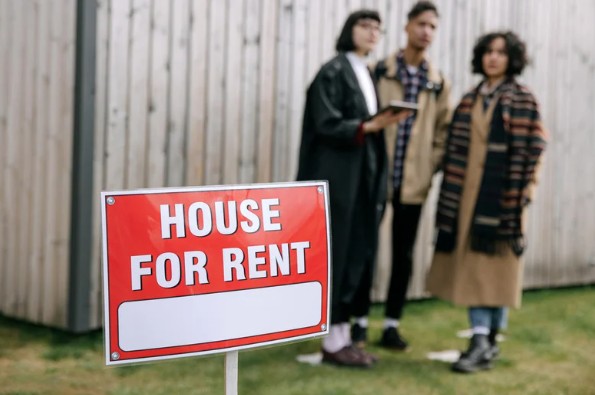
Transparency and responsiveness build trust with your tenants. When tenants know they can reach you and expect timely responses, they are more likely to take care of the property and comply with lease agreements. Efficient communication also reduces misunderstandings and potential disputes, saving you time and stress.
Also Read: The Rise of Granny Flat Builders in NSW
5. Keep Your Finances Organized
Managing finances becomes increasingly complex as you acquire more rental units. Keep separate accounts for rental income and expenses to track each property’s profitability. Regularly review your cash flow, including rent collections, mortgage payments, taxes, insurance, and maintenance costs.
Consider hiring an accountant familiar with real estate investments to ensure tax efficiency and compliance. Proper financial management helps you make informed decisions about rent adjustments, property improvements, or expansion opportunities. For multi-unit landlords, clear financial oversight is essential to maintain profitability.
6. Consider Professional Management Support
While managing multiple rental units independently is possible, partnering with a professional property management company can ease the burden. A residential property management company in Broken Arrow, for example, can handle tenant screening, maintenance, rent collection, and legal compliance on your behalf. This allows you to focus on expanding your portfolio or other business ventures while ensuring your properties are well cared for.
Professional management not only saves time but can also improve tenant retention and increase rental income. For landlords managing several units, leveraging expertise and resources from property managers can be a game-changer.
Also Read: Reasons Students Choose Short-Term Studio Rentals
7. Stay Informed and Compliant
Laws governing rental properties are constantly evolving. Familiarize yourself with local landlord-tenant laws, safety regulations, and fair housing rules. Staying compliant protects you from potential legal issues and ensures your tenants are treated fairly.
Regularly attending workshops, reading industry publications, or joining landlord associations can keep you updated on best practices and new developments in property management. Knowledge is a valuable tool that helps multi-unit landlords operate smoothly and confidently.
In Conclusion
Owning multiple rental units is rewarding but requires careful planning, organization, and management. From tenant screening and maintenance to financial oversight and legal compliance, every aspect of your portfolio demands attention.
By implementing these strategies and, when necessary, seeking professional support, you can maximize profitability, reduce stress, and create a positive experience for both you and your tenants. Mastering multi-unit rentals is a continuous process, but with dedication and the right approach, your properties can thrive for years to come.
