


Driving requires focus, preparation, and mutual respect among everyone sharing the road. Every time you get behind the wheel, you take on significant responsibility for your safety and the well-being of others.
Equipping your vehicle with the Smart Driving tools and adopting smart habits makes your daily commute much safer. This guide covers practical equipment upgrades, daily driving strategies, and preventative maintenance tips to improve your time on the road.
Essential Tools for Vehicle Safety
Modern technology offers simple ways to protect yourself and your passengers. Upgrading your car does not always require a massive budget or a brand-new vehicle. A few strategic additions provide immediate benefits and long-term peace of mind.
Enhanced Visibility Devices
Seeing your surroundings clearly prevents accidents before they happen. Blind spots remain a major hazard for drivers navigating busy highways and crowded parking lots. Installing reliable sensors or upgrading your side mirrors helps you monitor traffic effectively.
For example, drivers looking for reliable backup cameras in Draper can easily find local installation options to improve their rear visibility. These devices make parking in tight spaces effortless and prevent tragic reversing accidents.
Tire Pressure Monitoring
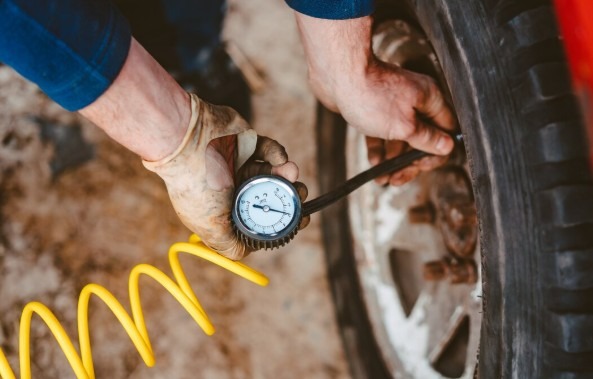
Your tires are the only contact point between your vehicle and the road. Proper inflation ensures optimal handling and prevents dangerous high-speed blowouts. A simple tire pressure gauge belongs in every glove compartment for quick manual checks.
Checking your levels weekly takes only a few minutes and significantly improves your daily fuel economy. Many modern vehicles also feature automatic monitoring systems that alert you when pressure drops below safe levels.
Comprehensive Emergency Kits
Breakdowns happen at the worst possible moments and often in inconvenient locations. Keeping a well-stocked emergency kit in your trunk prepares you for unexpected roadside delays. Your kit should include jumper cables, a reliable flashlight with extra batteries, and basic first aid supplies.
Adding a warm blanket, bottled water, and reflective warning triangles ensures you stay safe and visible while waiting for a tow truck.
Habits for a Convenient Commute
Great equipment only works well when paired with smart driver behavior. Building reliable routines removes stress from your daily travel and keeps your vehicle running efficiently.
Getting lost wastes precious time and increases driver frustration. Check local traffic reports before leaving your house to avoid known accidents or construction zones. Planning an alternative route saves you from sitting in unexpected gridlock. Keep a physical map in your vehicle just in case your digital devices lose power or lose their satellite signal.
When I plan longer drives or weekend trips, I make sure to research routes and destinations in advance. Exploring options like guided tours of Zion National Park helps me understand travel logistics, parking, and road conditions so I can enjoy a smoother and safer journey.
Routine Vehicle Maintenance
Ignoring small mechanical issues eventually leads to expensive repairs. Following a strict maintenance schedule keeps your engine running smoothly and extends the life of your car. Change your oil regularly and replace worn brake pads immediately when they start squeaking. A well-maintained vehicle responds better to emergency steering and sudden stops, keeping you in total control.
Advanced Driving Techniques
Experience alone does not make someone a flawless driver. Actively practicing safe techniques protects everyone on the highway and reduces the likelihood of collisions.
Defensive Driving Principles
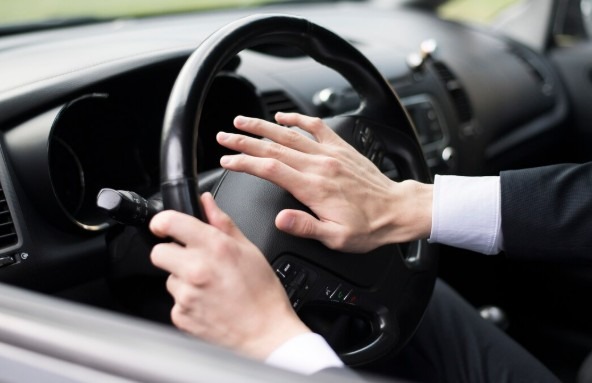
Assume other drivers will make mistakes and prepare to react accordingly. Keep a safe following distance so you have plenty of time to stop if the car ahead slams on its brakes. Scan the horizon for erratic movements, changing traffic lights, or sudden lane changes. Defensive driving means anticipating danger before it reaches your front bumper.
Managing Distractions
Taking your eyes off the road for two seconds doubles your crash risk. Put your phone out of reach while the engine is running to remove the temptation of reading messages. Program your navigation system and adjust your climate controls before shifting into drive. Staying completely focused on your surroundings ensures you arrive at your destination without incident.
Secure Your Travel Routine
Smart driving combines reliable technology with focused, predictable habits. Start by inspecting your current vehicle for any missing safety tools or outdated equipment. Schedule a routine maintenance check this week to catch hidden mechanical issues before they worsen. By taking these small steps, you create a safer and much more enjoyable driving experience for yourself and your passengers.
