


I stopped treating travel like a checklist and started treating it like a routine I respect. That shift made every trip smoother, especially as I got older and started paying closer attention to my health, safety, and energy.
These travel safety tips for seniors come straight from what I actually do before and during every trip. Nothing complicated. Just simple habits that keep me comfortable, protected, and confident wherever I go.
Why do travel safety tips for seniors matter more than ever?
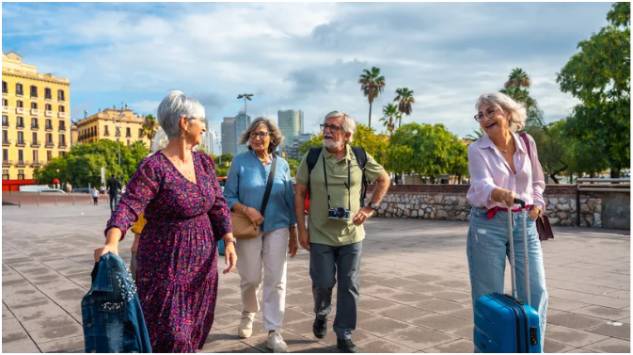
I used to think planning was enough. Book the flights, pack a bag, and go. But I learned quickly that safety isn’t about planning once. It’s about preparing for what can go wrong.
Health issues, delayed flights, lost luggage, or even a simple slip in an unfamiliar place can turn a great trip into a stressful one. When I started thinking ahead, I stopped reacting to problems and started avoiding them.
For seniors, small details matter more. Energy levels, mobility, and medical needs change how we travel. Once I adjusted my approach, travel felt easier and a lot more enjoyable.
How do I prepare my health before traveling internationally?
I treat my health prep like part of my packing routine. About a month before I travel, I schedule a quick check-in with my doctor. It gives me peace of mind and helps me avoid surprises.
I always carry extra medication in my carry-on, never in checked luggage. I keep everything in original packaging because customs can get strict. I also carry a simple list of my conditions, allergies, and prescriptions.
One habit that changed everything for me is creating a “medication passport.” It’s just a doctor’s note with generic drug names. Some countries restrict certain medications, and I don’t take chances anymore.
What should I know about Medicare and travel insurance?

This is something I wish I understood earlier. Medicare does not usually cover you outside the U.S. That gap can cost you thousands if something happens abroad.
I always buy travel medical insurance for seniors within a couple of weeks of booking my trip. That timing matters because it helps me qualify for pre-existing condition coverage. Without that, many policies won’t cover chronic conditions.
Here’s a simple comparison I use when choosing insurance:
| Feature | Why It Matters | What I Look For |
| Pre-existing waiver | Covers existing health issues | Buy within 14–21 days |
| Primary medical | No need to file with U.S. insurance first | Faster claims |
| Medical evacuation | Covers emergency flights home | At least $100,000 |
| Age flexibility | Ensures coverage for older travelers | No strict age cap |
I also check if the insurer offers direct billing. Paying upfront overseas can be stressful, and I prefer plans that handle payments directly.
How do I stay safe with documents and money abroad?

I don’t rely on just one copy of anything important anymore. I keep digital copies on my phone and leave physical copies with someone I trust back home.
I always check my passport expiration before booking. Many countries require at least six months of validity, and I don’t risk getting turned away at the airport.
When it comes to money, I notify my bank before traveling. It avoids those frustrating card blocks. I also stick to ATMs inside banks instead of random street machines. That simple habit reduces fraud risk significantly.
What are my go-to airport and transit habits?
Airports used to drain me. Now I plan them like part of the trip, not just a step in between.
I always choose aisle seats. It makes it easier to move, stretch, and stay comfortable. On longer flights, I wear compression socks to keep circulation in check.
I also request assistance when needed. There’s no downside to making things easier on your body. Travel feels better when you don’t push yourself unnecessarily.
Hydration is another non-negotiable. I drink water regularly and limit caffeine. It helps with jet lag and keeps my energy steady throughout the journey.
How do travel safety tips for seniors help with day-to-day safety abroad?
Once I arrive, I focus on simple habits that keep me aware without feeling stressed.
I avoid sharing my location or travel plans publicly. It protects both my personal safety and my home. I also stick to registered taxis or trusted ride apps instead of random transport options.
I pay attention to my surroundings, especially in crowded places. Pickpocketing happens quickly, and staying alert makes a big difference.
One thing I learned the hard way is not to overpack my schedule. Rest days matter. When I pace myself, I avoid fatigue and stay sharp enough to enjoy the trip fully.
How to follow travel safety tips for seniors step by step
I keep my routine simple and repeatable so I never forget anything important.
First, I schedule a doctor visit about a month before my trip. I review medications, get any required vaccines, and confirm I’m fit for travel.
Next, I book travel insurance within two weeks of making my first payment. That timing helps me qualify for pre-existing condition coverage and better benefits.
Then I organize my documents. I scan my passport, insurance, and itinerary and store them on my phone. I also leave copies with a family member.
After that, I prepare my carry-on. I pack medications, a change of clothes, and essentials I can’t afford to lose. I never check anything critical.
Finally, I set up my travel alerts. I enroll in STEP and check travel advisories so I stay informed about any risks at my destination.
What are the most common mistakes seniors make while traveling?
I’ve made a few of these myself, and they’re easy to fix once you recognize them.
Some people skip travel insurance because they assume Medicare covers them. It usually doesn’t. That mistake can become very expensive.
Others pack medications in checked luggage. If bags get delayed, it creates unnecessary stress. Keeping essentials close solves that instantly.
Another common mistake is overplanning. Trying to do too much leads to exhaustion. A slower pace makes travel safer and more enjoyable.
Key Takeaways
- Health prep starts weeks before your trip, not the day you pack
- Travel insurance fills the Medicare gap and protects your finances
- Keeping documents backed up prevents major disruptions
- Simple habits like hydration and pacing improve safety instantly
- Awareness and preparation make travel feel easy, not stressful
FAQs
1. What are the most important travel safety tips for seniors?
Focus on health preparation, travel insurance, and document security. These three areas prevent most common travel issues and give you peace of mind during your trip.
2. Does Medicare cover international travel?
No, Medicare usually does not cover healthcare outside the U.S. You need separate travel medical insurance to stay protected abroad.
3. When should I buy travel insurance?
Buy it within 14 to 21 days of your first trip payment. This helps you qualify for pre-existing condition waivers and better coverage options.
4. How can seniors stay safe during flights?
Choose aisle seats, stay hydrated, move regularly, and use compression socks. These small habits improve comfort and reduce health risks during long journeys.
So… Do You Want a Trip or a Stress Story?
I’ve learned that travel doesn’t have to feel risky or overwhelming. It just needs a little structure and a few smart habits.
These travel safety tips for seniors aren’t complicated, but they make a huge difference. Once they become part of your routine, you stop worrying and start enjoying the journey again.
My rule is simple: prepare like a pro so you can travel like it’s effortless.
