

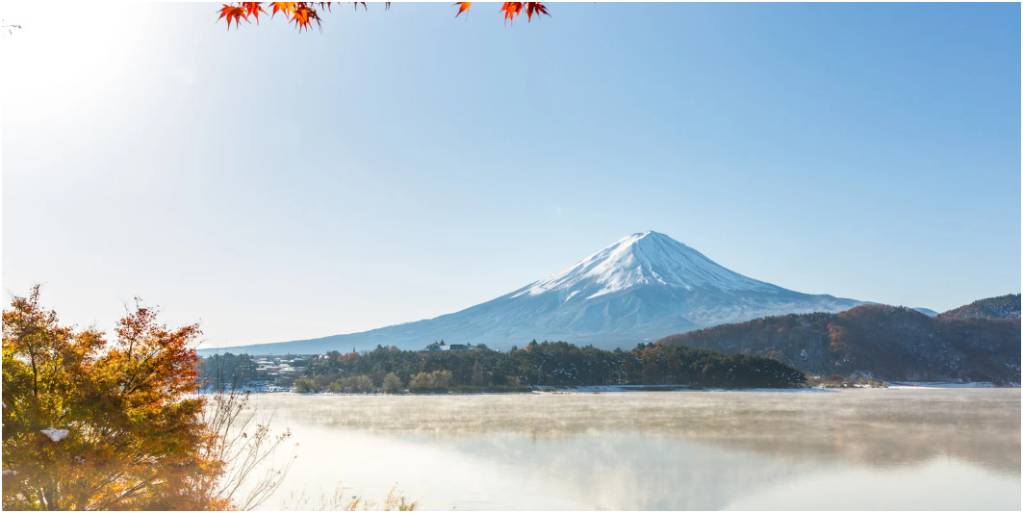
I still remember the moment I stepped into Tokyo and realized this trip would feel nothing like a typical vacation. It felt like a rhythm. A mix of fast mornings, quiet walks, and food breaks that turned into memories. This 7 day itinerary for Japan came from that experience. It’s practical, realistic, and built for couples who want both excitement and calm.
What makes a 7 day itinerary for Japan actually work?
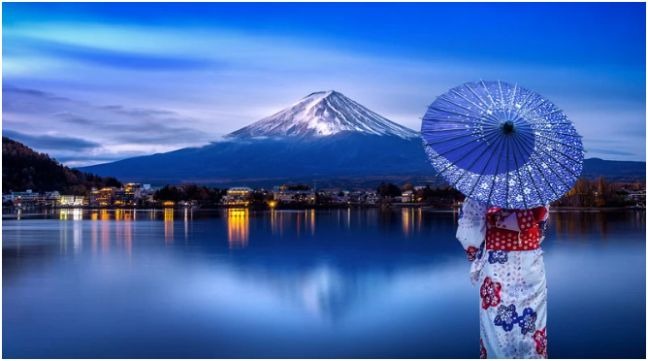
I didn’t try to see everything. That’s the first rule I learned quickly. Japan rewards slow travel, not rushed checklists.
I built my route around four places: Tokyo, Hakone, Kyoto, and Osaka. Each one felt different, and that contrast kept the trip exciting without feeling overwhelming.
Tokyo gave me energy. Kyoto slowed me down. Hakone felt romantic. Osaka brought everything together with food and fun.
How did I plan my days without burning out?
I followed a simple habit: one main highlight, one flexible plan, and one “just wander” block every day.
On my first day in Tokyo, I went straight to Shibuya Sky for sunset. That gave me a clear starting point. After that, I walked through Omoide Yokocho and let the night unfold naturally.
The next day, I switched pace. I walked through Meiji Shrine in the morning, then explored Harajuku and Omotesando. That mix of calm and chaos kept me energized instead of tired.
Why did Hakone become my favorite part of this 7 day itinerary for Japan?
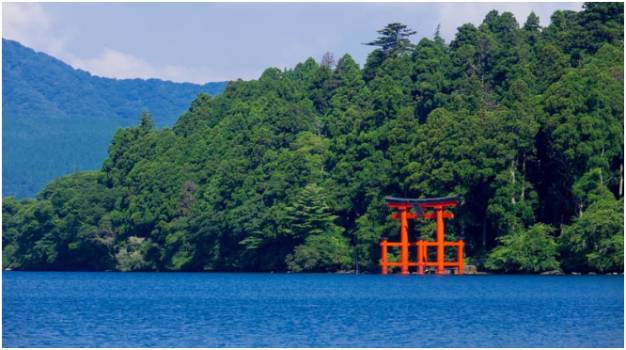
Hakone felt like a reset button. I took the Romancecar train, and even that ride felt like part of the experience.
I booked a ryokan with a private onsen, and that decision changed everything. I didn’t rush. I soaked in the hot spring, enjoyed a full kaiseki dinner, and disconnected completely.
If you’re planning this trip as a couple, don’t skip this. It’s where the trip turns from “nice” to unforgettable.
Where did I stay in Hakone and what did it cost?
I explored a mix of options before choosing, and the range surprised me.
| Type | Cost Per Night | What You Get |
| Luxury Ryokan | $900 – $1,100+ | Private onsen, kaiseki meals, premium views |
| Mid-Range Ryokan | $500 – $800 | Private bath, great views, quieter stay |
| Value Options | $200 – $400 | Shared or smaller private baths |
I personally chose a mid-range option, and it felt like the perfect balance. I still got privacy, comfort, and that peaceful mountain vibe without overspending.
How did Kyoto change the pace of my trip?
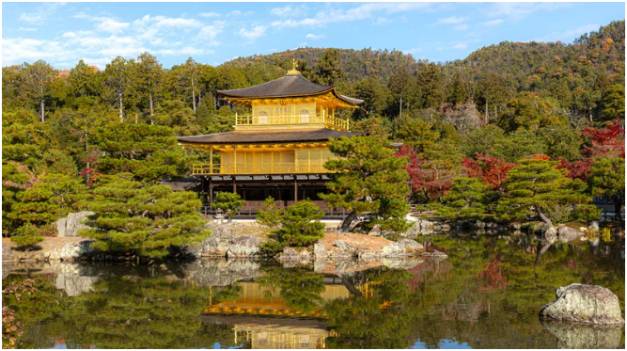
Kyoto felt completely different from Tokyo. I woke up earlier, walked more, and slowed everything down.
I spent one day in Eastern Kyoto, walking the Philosopher’s Path and visiting Kiyomizu-dera. By evening, I wandered through Gion and watched the streets glow under lantern light.
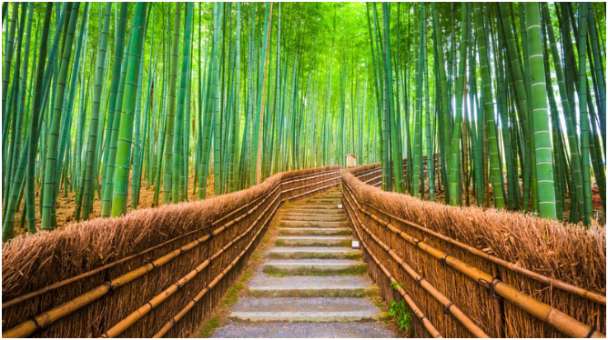
The next day in Arashiyama, I reached the bamboo grove early. That small decision made a huge difference. It felt quiet, almost surreal.
What made Osaka the perfect ending?
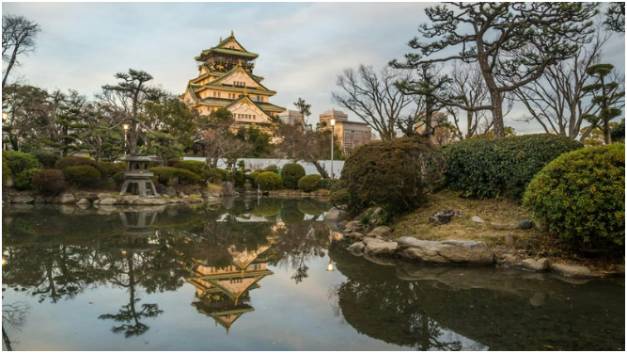
Osaka felt fun and easy. I didn’t overplan it, and that worked perfectly.
In the morning, I visited Nara. Feeding the bowing deer and seeing the giant Buddha felt simple but memorable.
By evening, I walked through Dotonbori, tried takoyaki, and soaked in the neon lights. It felt like a celebration of the entire trip.
How much did my 7 day itinerary for Japan actually cost?
I tracked everything because I didn’t want surprises. For a couple, the numbers stayed pretty consistent.
| Category | Cost (7 Days for Two) |
| Flights | $1,100 – $1,950 |
| Hotels | $750 – $1,450 |
| Food | $360 – $600 |
| Transport | $480 – $850 |
| Activities | $180 – $360 |
Most couples I spoke to landed between $4,100 and $6,000 total, and I found that range realistic.
How to plan a 7 day itinerary for Japan step by step
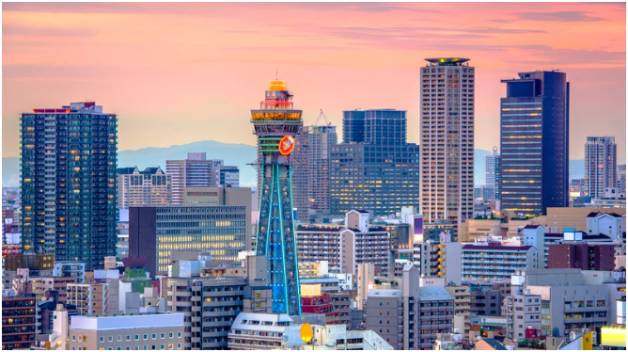
I kept my planning simple, and that made the trip smoother.
First, I booked flights early. Prices changed quickly, so I locked those in first.
Next, I chose my route: Tokyo → Hakone → Kyoto → Osaka → Tokyo. That flow reduced travel stress and saved time.
Then, I booked hotels with location in mind. I stayed near train stations, which made daily movement effortless.
After that, I planned key experiences like the ryokan stay and major attractions. I didn’t overbook everything else.
Finally, I added a Suica card to my phone. That small step made every train, bus, and metro ride seamless.
What small habits helped me save money without sacrificing experience?
Here are some budget friendly ideas. I didn’t eat at restaurants for every meal. Convenience stores became my secret weapon.
I grabbed breakfast or quick lunches from 7-Eleven or Lawson. The food tasted fresh, and I spent just $3 to $8 per meal.
I also skipped the JR Pass because my route didn’t require it. Buying individual tickets saved me money.
These small habits didn’t reduce the experience. They made the trip more flexible.
Key Takeaways
- I focused on fewer cities and enjoyed each one more
- I balanced busy days with slower experiences
- I invested in one memorable stay like a ryokan
- I used simple habits to control costs
- I planned structure but left space for spontaneity
FAQs
1. Is 7 days enough for Japan?
Yes, if you follow a focused route. I covered Tokyo, Hakone, Kyoto, and Osaka comfortably without rushing or feeling overwhelmed.
2. Should I buy the JR Pass for this trip?
Not always. I skipped it and saved money because I didn’t take enough long-distance trips to justify the cost.
3. What is the best time to follow this itinerary?
Spring and autumn look beautiful but cost more. I found shoulder seasons like early March or September more affordable and less crowded.
4. Is Japan expensive for couples?
It depends on your choices. I managed a comfortable trip within a mid-range budget by balancing hotels, food, and transport smartly.
So… Would I Change Anything? Not Really.
I wouldn’t try to squeeze in more places. That’s the mistake most people make.
This trip worked because it felt balanced. I explored, rested, ate well, and actually enjoyed the moments in between.
If I had to give you one tip, it’s this: leave space in your plan. Japan fills it beautifully on its own.
