

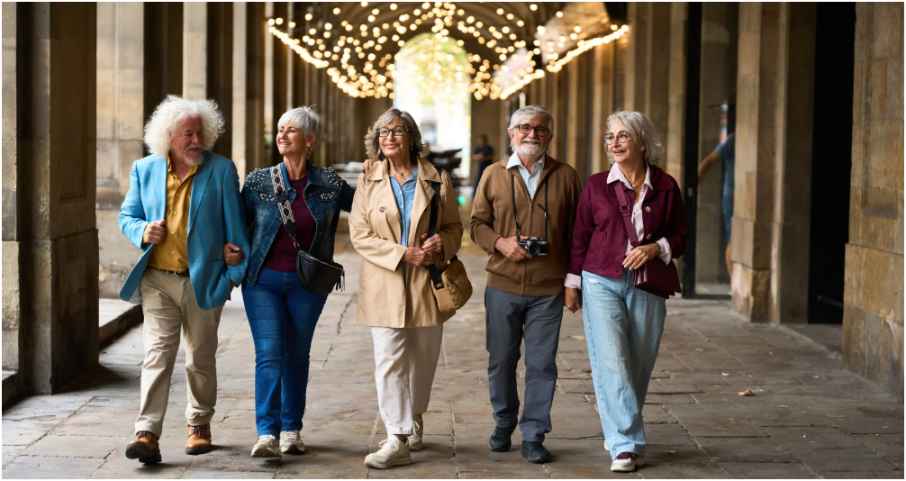
I used to think travel meant rushing through airports, overpacking, and coming home exhausted. Then I tried group tours for seniors, and everything changed. I finally experienced travel the way it should feel—easy, social, and actually enjoyable. Now, I plan my trips around comfort, connection, and a pace that fits real life, not a checklist.
What surprised me most was how structured yet flexible these trips felt. I didn’t have to worry about logistics, but I still had room to enjoy each moment. That balance is what makes this style of travel stick.
Why do group tours for seniors feel easier and more enjoyable?

The biggest shift I noticed came from not having to think about every detail. I woke up each day knowing someone already planned the route, booked the hotel, and arranged meals. That freed up my energy to actually enjoy the experience.
These tours also create a natural rhythm. You walk, explore, rest, and repeat without pressure. Whether it’s a scenic walk through Yellowstone or a cultural tour in Washington D.C., the pace feels intentional, not rushed.
Another thing I didn’t expect was the social aspect. Traveling with people in a similar stage of life makes conversations easy. You share meals, stories, and small wins, which turns a trip into something more meaningful.
What types of group tours for seniors can you choose from?
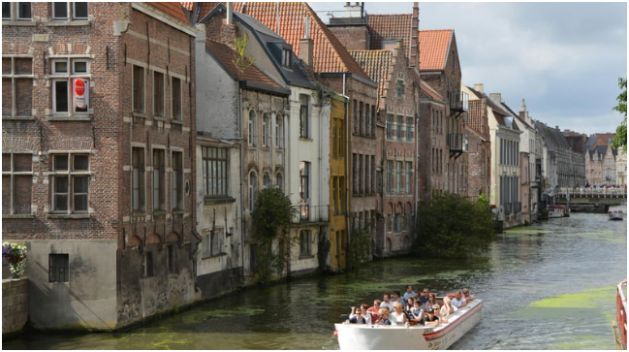
Once I started exploring options, I realized how many styles exist. Some focus on learning, while others lean toward light adventure or cultural immersion. That variety helps you match the trip to your comfort level.
Educational tours, like those offered by providers such as Road Scholar, focus on history, nature, and culture. These trips often include expert guides who explain everything in a way that makes the destination come alive.
Then you have “hiking-lite” tours. These involve short daily walks on easy trails. I’ve done a few of these, and they feel more like long scenic strolls than workouts. You still stay active, but you don’t feel exhausted.
Point-to-point or inn-to-inn journeys add another layer. You walk between charming accommodations while your luggage gets transported ahead. That simple detail changes everything. You stay light, relaxed, and focused on the experience.
How do group tours for seniors handle comfort and pacing?

Comfort sits at the center of these tours, and you feel it in every detail. Most programs clearly label their physical level, so you know exactly what to expect before you book.
I’ve personally chosen tours labeled “Easy Going” or “Level 1,” and they lived up to the promise. Daily activities stayed manageable, often between three to eight miles with minimal elevation. If I wanted to skip a section, support vans stayed available.
Accommodation also makes a big difference. Instead of roughing it, you stay in accessible hotels, lodges, or boutique inns. After a day of exploring, I always looked forward to a comfortable bed and a good meal without any extra effort.
Should you choose guided or self-guided group tours for seniors?
This question comes up a lot, and I’ve tried both styles. Guided tours feel structured and social, while self-guided trips offer independence. Your choice depends on how much support you want.
Here’s how I break it down based on experience:
| Feature | Group-Guided | Self-Guided |
| Social Experience | High, with 10–20 travelers | Private or small groups |
| Planning | Fully handled | You follow maps or GPS |
| Support | Guides and backup vehicles | Remote assistance |
| Flexibility | Fixed schedule | Set your own pace |
I personally lean toward guided tours when I want zero stress. Having a leader manage timing, routes, and logistics lets me stay present. When I feel more adventurous, I go self-guided with luggage transfers.
What are the best destinations for group tours for seniors?

Some destinations naturally work better because they combine accessibility, scenery, and infrastructure. Over time, I’ve learned to choose places that support relaxed exploration.
Alaska stands out for its combination of nature and comfort. Glacier cruises and scenic rail rides make it feel immersive without being physically demanding. National parks like Yellowstone and the Grand Tetons offer geothermal features and wildlife viewing with easy walking paths.
On the East Coast, cities like Washington D.C. provide rich history with minimal physical strain. Internationally, places like Italy’s Cinque Terre or the Cotswolds in England offer village-to-village walking with stunning views and comfortable stops along the way.
How to plan group tours for seniors step by step
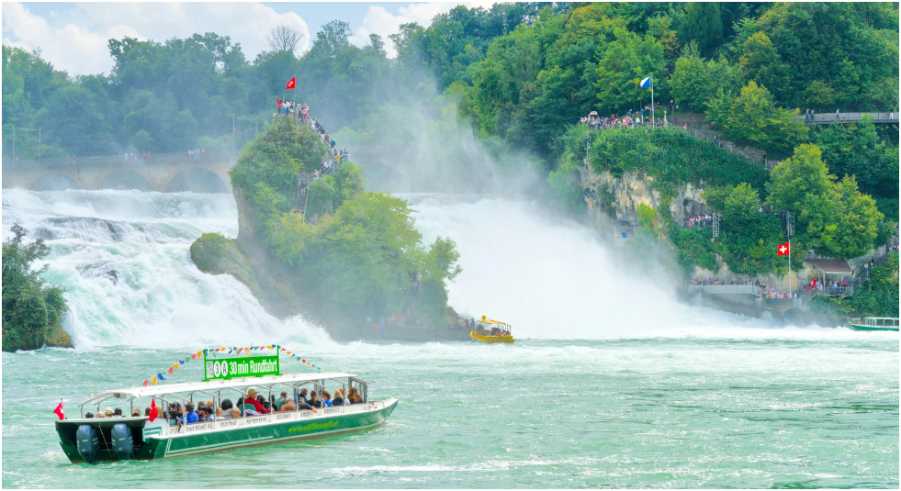
I follow a simple routine whenever I book a trip, and it has saved me from bad experiences more than once.
First, I decide what kind of trip I want. Some weeks I crave culture and museums. Other times, I want nature and quiet trails. That choice helps me filter the right tours quickly.
Next, I check the physical rating carefully. I don’t guess anymore. If a tour says “moderate,” I read the daily mileage and elevation details. This step prevents surprises later.
Then I review what’s included. The best tours cover accommodations, meals, and transportation. I prefer all-inclusive options because they remove decision fatigue during the trip.
Finally, I look at group size. Smaller groups feel more personal and flexible. I’ve found that groups between 10 and 20 people create the best balance between social and comfortable.
What should you pack for a comfortable senior group tour?
Packing changed a lot for me once I started traveling this way. I no longer overpack. Instead, I focus on comfort and mobility.
I always carry a light daypack with essentials like water, snacks, and a light jacket. If the trip involves walking, I bring supportive shoes and lightweight trekking poles. They reduce strain on knees and help with balance.
The rest stays simple. Since luggage transfers often come included, I don’t worry about carrying everything. That small shift makes the entire trip feel lighter and more enjoyable.
Key Takeaways: What actually makes these tours worth it
- You travel without worrying about logistics
- You enjoy a pace that matches real life
- You connect with like-minded people
- You stay active without pushing your limits
- You experience destinations more deeply
Are group tours for seniors worth it or just overrated?
If you asked me a few years ago, I might have hesitated. Now, I wouldn’t travel any other way. These tours remove the stress while keeping the adventure alive also by following essential safety tips for seniors.
They give you structure without pressure and comfort without boredom. That balance feels rare, especially in modern travel.
FAQs about group tours for seniors
1. Are group tours for seniors safe for solo travelers?
Yes, I’ve traveled solo on these tours and felt completely comfortable. The group setting and guides create a safe environment, and you quickly connect with others.
2. How physically demanding are these tours?
Most tours clearly state their difficulty level. Easy tours involve short walks and minimal elevation, making them manageable for most seniors.
3. Do group tours for seniors include meals and hotels?
Many tours include accommodations, meals, and transportation. I always check the details before booking to avoid surprises.
4. Can you skip activities if you feel tired?
Yes, many tours offer flexibility. Support vans or rest options allow you to skip parts without missing the entire experience.
The travel upgrade I didn’t know I needed
I used to come home from trips needing a vacation from my vacation. That doesn’t happen anymore. Now, I return feeling refreshed, inspired, and already thinking about the next destination.
If you want travel to feel easier, richer, and more enjoyable, this approach works. Start with one trip, keep it simple, and trust the process. You might never go back.
