

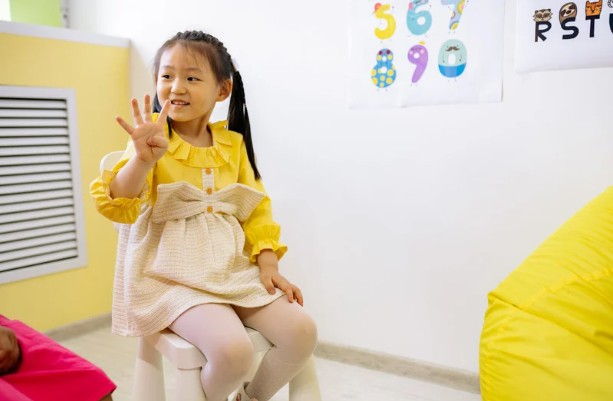
Choosing the right early education program is a crucial decision for parents. Many families are now considering language immersion programs, which offer more than basic academics by helping children build communication skills, cultural awareness, and confidence from an early age.
For parents interested in a preschool in Spanish in San Antonio, understanding how these programs work, their benefits, and what to consider before enrolling is key. Learning about these programs helps families make informed choices that support their child’s academic success and personal growth.
What Is a Language Immersion Program?
A language immersion program is a teaching method where subjects like math, science, and social studies are taught in a second language rather than as a separate class. Teachers use the target language for all classroom communication, helping students absorb vocabulary naturally through listening and interaction.
In early childhood education, these programs are often play-based, using activities like storytelling, music, and art to teach the second language without pressure. Preschool is an ideal time for this exposure since young learners are adept at picking up new languages.
Children in immersion programs often become more confident communicators and problem-solvers, gaining skills that benefit them throughout their academic careers, while also learning to practice emotional self-care as they navigate new challenges and environments.
Key Benefits of Language Immersion for Young Children

Language immersion programs provide several advantages that extend beyond language development. Research and classroom experience show that early exposure to multiple languages can positively influence cognitive, social, and academic growth.
Stronger Cognitive Skills
Children who learn a second language often develop better memory, attention, and problem-solving abilities. Switching between languages helps strengthen brain flexibility and supports overall learning capacity. These skills can improve performance in reading, math, and other academic areas.
Enhanced Communication and Confidence
Learning another language encourages children to express themselves in different ways. As they gain new vocabulary and practice speaking, their confidence naturally increases. This confidence often carries into social interactions, classroom participation, and teamwork.
Cultural Awareness and Appreciation
Language immersion programs introduce children to new traditions, stories, and perspectives, helping them develop empathy and respect for diversity. This cultural awareness is especially valuable in growing communities where children interact with people from various backgrounds. These benefits create a strong foundation for lifelong learning and global understanding.
Important Factors to Consider When Choosing a Program
Not all language immersion programs are the same. Parents should evaluate several key elements to ensure the program aligns with their child’s needs and family goals.
Teacher Qualifications and Experience
The success of an immersion program heavily relies on qualified educators. Teachers must be fluent in the target language and trained in early childhood education. Their experience with young learners is crucial for delivering engaging, supportive, and age-appropriate lessons.
Parents should inquire about classroom ratios and teacher training, as smaller class sizes can offer more personalized attention and better communication.
Curriculum and Learning Approach
A good curriculum should balance language learning with academic and social development. Look for programs that mix structured lessons with play-based activities to keep children motivated and help them build key skills. Hands-on learning, storytelling, and interactive games create a positive environment where children can be actively involved in their education.
Communication With Families
Strong communication between educators and parents is key to a child’s success. Regular updates, meetings, and progress reports keep families informed about their child’s development.
This allows parents to reinforce language skills at home by reading books or practicing new words. Collaboration between families and educators strengthens the learning experience and builds trust.
How to Prepare Your Child for a Language Immersion Experience
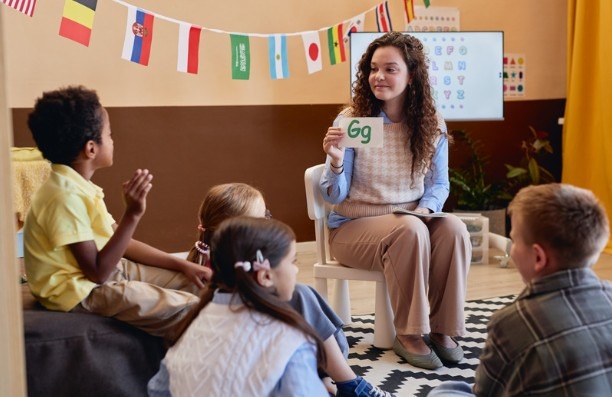
Preparing a child for an immersion program does not require advanced language skills. Instead, parents can focus on creating a supportive and encouraging environment at home.
Introduce the Language Through Everyday Activities
Listening to music, watching educational shows, or reading simple books in the target language can help children become familiar with new sounds and words. These activities make the transition into an immersion classroom smoother and more comfortable, just as using an electric planner can help parents stay organized and keep track of their child’s learning progress.
Encourage Curiosity and Positive Attitudes
Children respond well when learning feels exciting rather than stressful. Parents can talk about the benefits of learning another language and celebrate small achievements along the way. Encouragement helps children stay motivated and confident as they develop new skills.
Maintain Consistent Routines
Young children thrive on predictable schedules. Establishing regular routines for meals, sleep, and learning time supports emotional stability and readiness for school. A structured daily routine also helps children adjust quickly to classroom expectations. Simple preparation steps can make a significant difference in how children adapt to their new learning environment.
Signs of a High-Quality Language Immersion Program
Identifying a strong program involves observing both the classroom environment and the overall school culture. Parents can look for several indicators that reflect quality education and care.
- Classrooms feel welcoming, organized, and safe
- Teachers interact warmly with children
- Learning materials support language development
- Activities encourage creativity and participation
- Families receive regular communication and support
Programs with these qualities often provide a positive and enriching educational experience. Choosing a program that values both academic growth and emotional well-being helps children build confidence and independence.
Conclusion
Language immersion programs can significantly shape a child’s future. Early exposure to multiple languages strengthens communication skills, improves academic readiness, and fosters cultural understanding, with benefits that last throughout their education.
When exploring options like a Spanish preschool, families should look for experienced educators, an engaging curriculum, and strong family communication. Careful research helps parents choose an environment where their children feel supported and inspired. Investing in early language education is about building confidence, curiosity, and a lifelong love of learning.
