

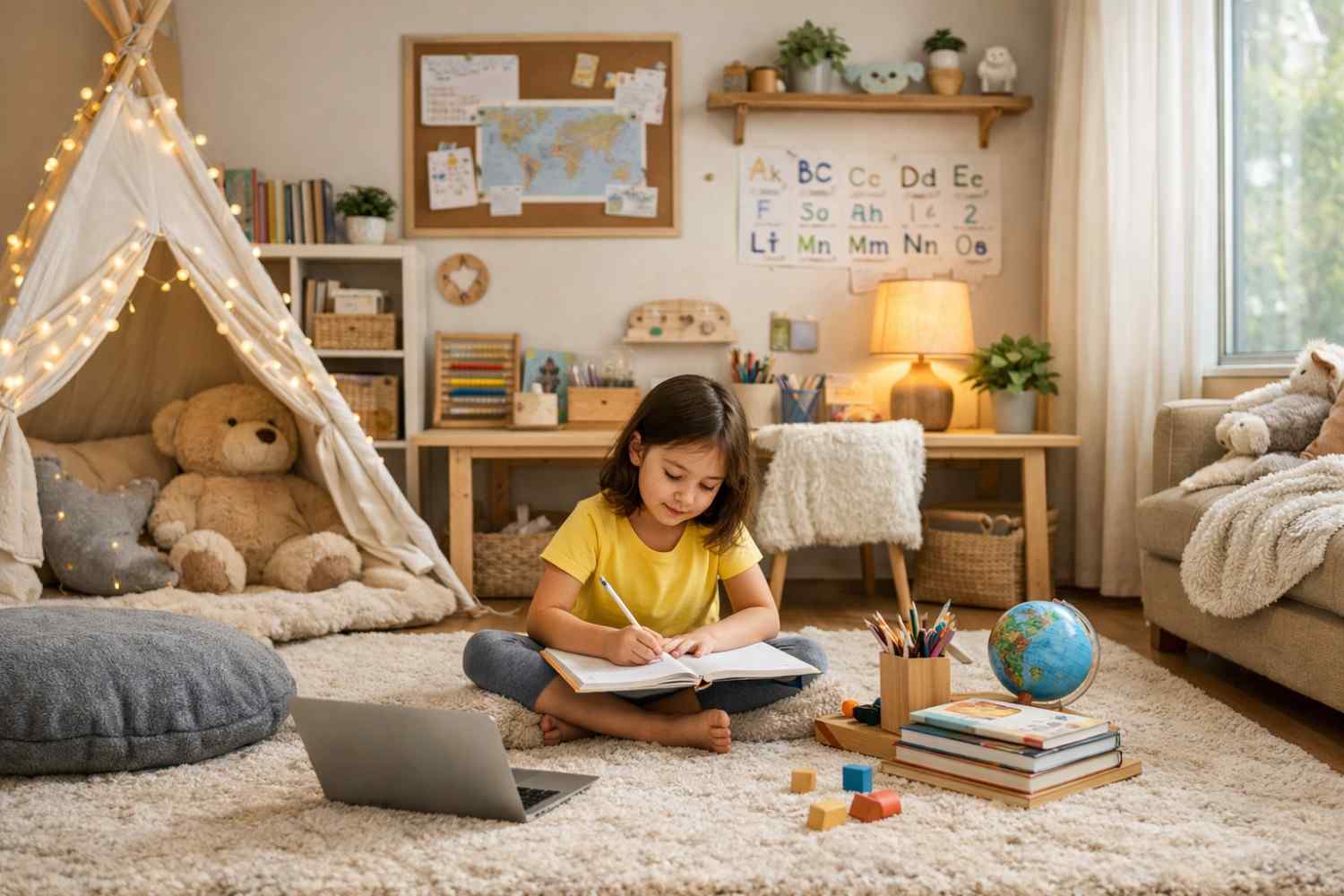
A child’s learning environment plays a major role in their academic performance, emotional well-being, and overall development. Whether learning takes place at home or in school, children thrive when they feel safe, supported, and comfortable. A positive environment encourages curiosity, improves concentration, and helps children develop confidence in their abilities.
Research shows that classroom and home environments can directly affect a child’s health, focus, and educational progress. Factors such as lighting, noise levels, organization, and emotional support all contribute to successful learning experiences.
Creating a comfortable learning environment does not require expensive renovations or elaborate setups. Small changes can make a significant difference in helping your child enjoy learning and reach their full potential.
Choose a Dedicated Learning Space
Children benefit from having a specific area for learning activities. A dedicated space helps create structure and signals that it is time to focus. This area could be a desk in the bedroom, a quiet corner in the living room, or a study nook with minimal distractions.
Try to choose a location with good lighting and enough room for school supplies, books, and learning tools. Natural light is especially helpful because it can improve mood and concentration. Research also suggests that classroom design and physical surroundings influence student engagement and performance.
The learning space should feel welcoming rather than stressful. Adding personal touches such as favorite colors, inspirational quotes, or artwork can make the area more inviting for your child.
Reduce Noise and Distractions
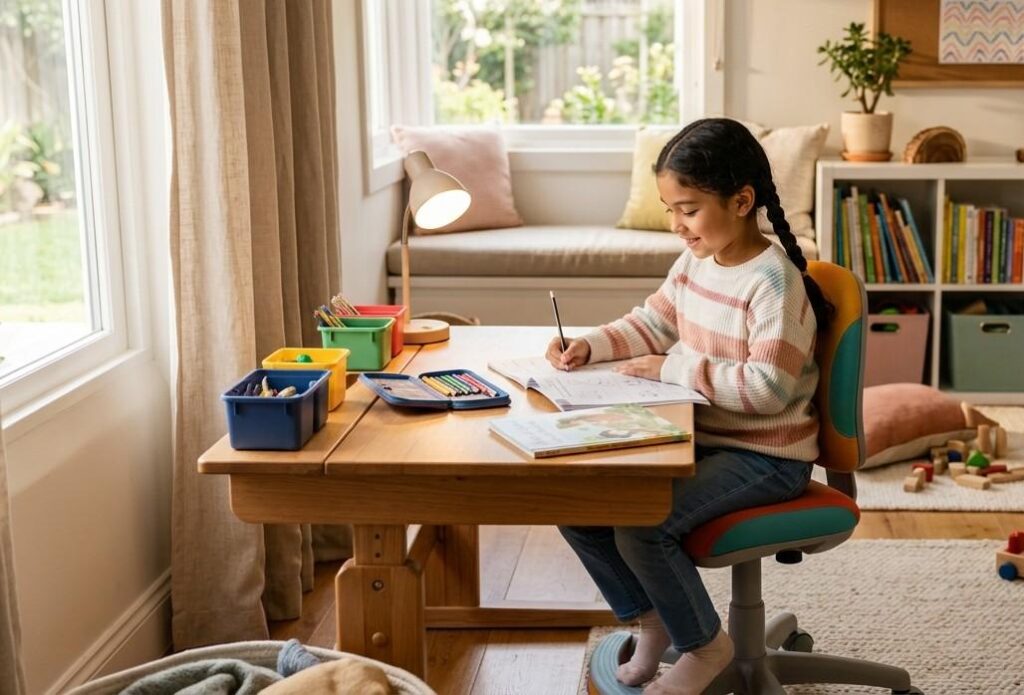
A noisy environment can make it difficult for children to focus and absorb information. Background distractions such as television, loud conversations, or excessive screen time may interrupt concentration and reduce productivity.
To create a calmer atmosphere, encourage quiet during study periods and keep unnecessary electronics away from the learning area. Comfortable seating and proper ventilation can also improve focus and comfort. Studies have shown that poor environmental conditions, including noise and air quality issues, can negatively affect learning ability and well-being.
If complete silence is not possible, soft instrumental music or white noise may help some children concentrate better.
Establish Consistent Routines
Children feel more secure when they know what to expect. A consistent daily routine creates stability and reduces stress. Setting regular times for homework, reading, meals, and bedtime helps children develop healthy habits and time-management skills.
Experts note that routines provide comfort, improve self-regulation, and support academic achievement. A predictable schedule also helps children transition more smoothly between school, homework, and relaxation.
Be flexible when needed, but aim to maintain consistency throughout the week. Even simple routines, such as organizing school supplies the night before, can make mornings less stressful.
Encourage Emotional Safety

A comfortable learning environment goes beyond physical space. Emotional safety is equally important. Children learn best when they feel supported, respected, and free to express themselves without fear of criticism. Creating this kind of atmosphere can also help families truly open up your home as a place where children feel safe sharing thoughts, ideas, and concerns openly.
Parents and teachers can foster emotional safety by listening actively, offering encouragement, and recognizing effort rather than focusing only on grades. According to parenting experts, emotional support and open communication help children build confidence and resilience.
Celebrate achievements, no matter how small, and remind your child that mistakes are a natural part of learning. When children feel emotionally secure, they are more willing to ask questions, explore ideas, and take on challenges.
Include Opportunities for Creativity and Play
Learning should not feel limited to worksheets and textbooks. Creative activities and play help children develop problem-solving skills, imagination, and social abilities. Research highlights that play-based learning supports cognitive, emotional, and physical development.
Consider adding creative materials such as coloring supplies, puzzles, building blocks, or educational games to your child’s learning area. Encourage activities that allow children to explore their interests and express themselves freely.
Outdoor learning opportunities can also be valuable. Nature walks, gardening, and hands-on experiments help children stay engaged while making learning more enjoyable.
Support Your Child’s Individual Learning Style
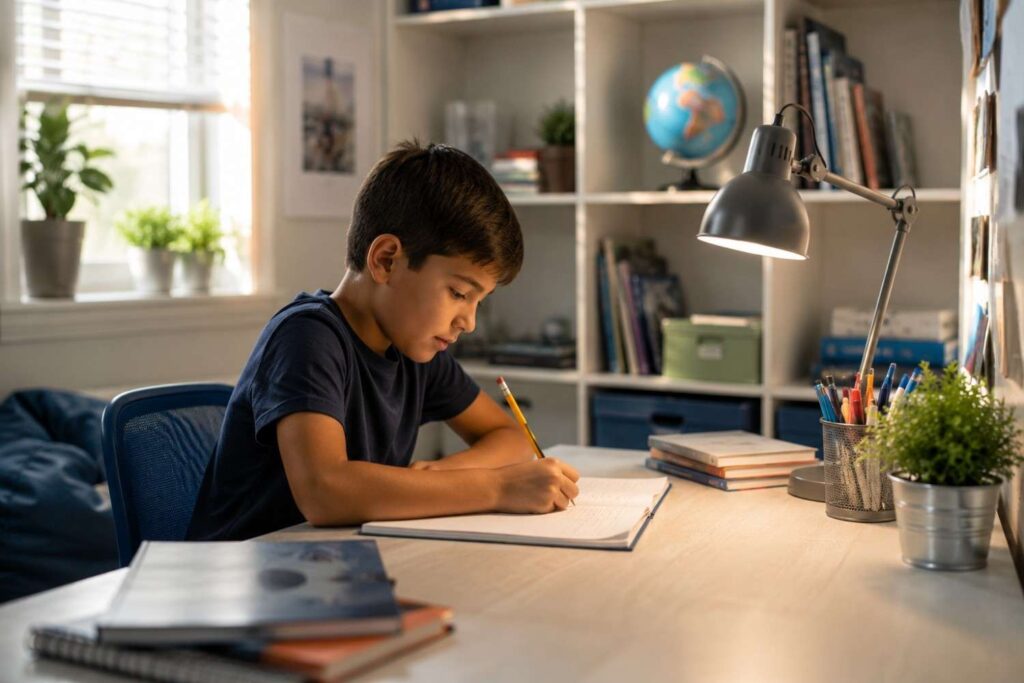
Every child learns differently. Some children prefer visual aids, while others learn best through hands-on activities or verbal instruction. Paying attention to your child’s preferences can help you create an environment that supports their unique needs.
Flexible learning options have become increasingly popular because they allow children to work in ways that suit them best. Parents exploring educational alternatives may even consider programs like the best online high schools in Utah for students who benefit from personalized or flexible learning schedules.
The goal is to create an environment where your child feels motivated and capable of succeeding.
Final Thoughts
A comfortable learning environment can have a lasting impact on your child’s academic growth and emotional well-being. By creating a quiet and organized space, establishing routines, encouraging creativity, and providing emotional support, parents can help children develop a positive attitude toward learning.
The most effective learning environments are not necessarily the most expensive or elaborate. What matters most is creating a space where children feel safe, valued, and inspired to learn every day.
