

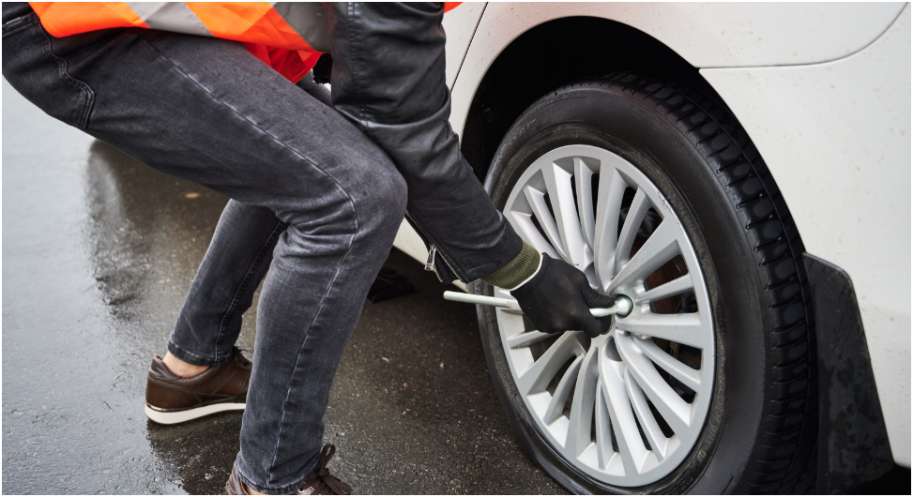
Roadside assistance operators face serious hazards every single day. Traffic rushing past at highway speeds, unpredictable weather conditions, and vulnerable stranded motorists combine to create a uniquely high-risk working environment. When a tow truck or service van pulls over onto the shoulder, the margin for error drops to zero.
Key Safety Features for Vehicles

The most critical aspect of roadside safety is making sure oncoming traffic sees the assistance vehicle long before they reach it. When a service truck is highly visible, approaching drivers have the necessary time to slow down and change lanes.
Advanced Lighting Systems
Visibility serves as the primary defense against distracted or speeding drivers. Upgrading a fleet to high-intensity LED systems ensures the vehicle remains visible from miles away, cutting through rain, fog, and the darkness of night.
A high-quality tow truck light bar is a non-negotiable addition for any fleet, providing bright, 360-degree illumination that immediately alerts surrounding traffic to an active emergency scene. Auxiliary strobe lights placed on the grille and rear bumper offer an extra layer of visual warning.
Reflective Markings
Passive visibility matters just as much as active lighting. If a vehicle loses power, reflective markings become its only visual defense. Applying high-visibility reflective tape along the sides and rear of the truck catches the headlights of approaching cars effectively.
Many safety experts highly recommend adding high-contrast chevron patterns to the back of the vehicle. These alternating diagonal stripes provide an unmistakable warning sign that drivers instinctively recognize and avoid.
Emergency Equipment
Beyond modifying the truck itself, operators need the right tools to secure a hazardous scene. Every roadside assistance vehicle should carry heavy-duty, highly reflective traffic cones to create a safe buffer zone around the stranded motorist.
LED road flares offer a safer, longer-lasting alternative to traditional incendiary flares. Additionally, standard safety gear like commercial-grade fire extinguishers, comprehensive first aid kits, and high-visibility apparel for the operators must be restocked and easily accessible at all times.
Technology Integration

Hardware and lighting provide the physical foundation for safety. Modern software and technology systems build upon that foundation, keeping drivers connected and accountable out on the road.
GPS and Routing
Getting to a stranded motorist quickly and safely sets the tone for the entire service call. Advanced GPS systems go beyond simple directions. They factor in live traffic patterns, sudden weather changes, and road closures.
Routing drivers away from heavily congested or dangerous routes minimizes their exposure to unnecessary risks while improving response times.
Communication Systems
Reliable communication prevents fatal misunderstandings. Dropped calls and dead zones leave operators isolated during critical moments. So if you are traveling internalationally with car use a global esim to avoid call drops and other issues.
Upgrading to robust two-way radios or specialized mobile data terminals keeps operators in constant contact with dispatchers.
If a situation escalates or an operator requires emergency services, these communication tools ensure help is always just a button press away.
Telematics
Telematics systems monitor vehicle health and driver behavior in real time. Dispatchers can track metrics like harsh braking, rapid acceleration, and excessive speeding.
Fleet managers use this data to identify risky driving habits and proactively coach their team members. Telematics also tracks engine diagnostics, sending automatic alerts if the vehicle experiences a critical fault while on duty.
Driver Training and Safety Protocols
Even the most advanced safety equipment falls short if the person using it lacks the proper training. Continuous education remains a core pillar of a successful safety strategy.
Operators must understand exactly how to deploy their safety gear. Training should cover proper vehicle positioning. Angling the service truck correctly creates a physical barrier that protects the operator and the stranded driver from oncoming traffic.
Safety protocols must dictate strict situational awareness rules. Drivers should learn to assess the scene before stepping out of the cab, checking for blind spots and erratic drivers. Fleet managers should prioritize ongoing education, holding regular safety briefings rather than relying on a single orientation session on a driver’s first day.
Maintenance and Regular Safety Checks
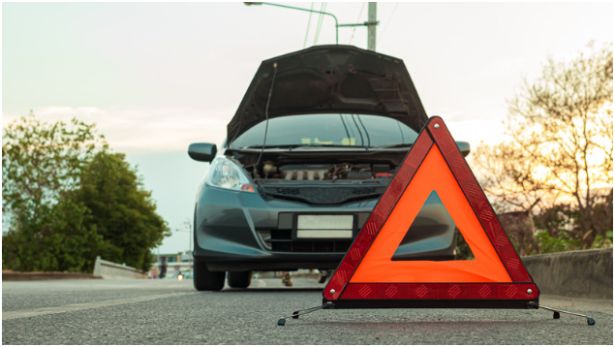
A mechanical breakdown of a roadside assistance vehicle is a worst-case scenario. When the vehicle meant to perform the rescue requires a rescue itself, it puts the operator in a highly vulnerable position.
Preventive maintenance keeps the fleet reliable and safe even if you are ATV rider you must know the essential ATV maintenance tips to avoid stuck in isolated trails. Operators must perform mandatory daily walk-around inspections before starting their shifts.
These checks should verify tire tread depth, brake fluid levels, and the functionality of every single warning light. Catching a burnt-out strobe light in the depot is a minor fix; discovering it on the side of a busy highway is a severe liability.
Routine professional inspections support these daily checks. Certified mechanics can identify and repair underlying mechanical issues, such as worn brake pads or failing alternators, long before they result in dangerous failures on the road.
Conclusion
Securing a roadside assistance scene requires a layered approach. By integrating high-visibility lighting, modern telematics, and rigorous training protocols, fleet operators can drastically reduce the hazards associated with this demanding profession.
