

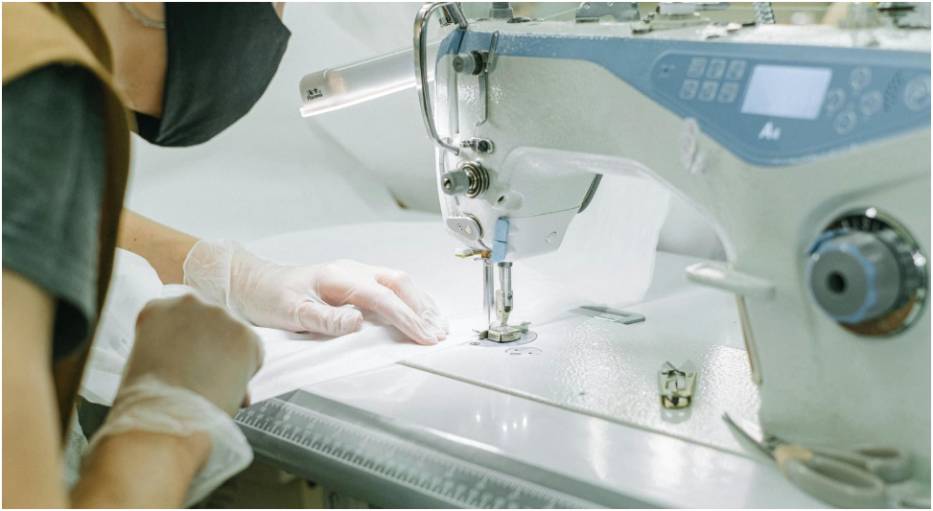
For businesses involved in garment manufacturing, upholstery, or any field requiring heavy-duty sewing, selecting the appropriate industrial sewing machine is a critical decision. The right machine ensures efficiency, precision, and durability, which directly impact productivity and product quality.
With a variety of options available in the market, it is essential to understand the key factors involved in selecting the best industrial sewing machine for your business needs.
Understanding Industrial Sewing Machines
Industrial sewing machines differ significantly from domestic models. They are designed to handle high-volume workloads and sew through thicker materials such as leather, roller blinds, canvas, and multiple fabric layers. These machines are built with robust components to withstand continuous use, making them ideal for commercial operations.
The Importance of Choosing the Right Industrial Sewing Machine
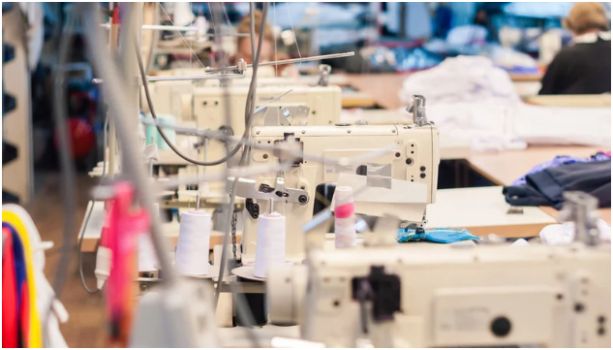
Investing in an industrial sewing machine that aligns with the specific requirements of a business can lead to improved sewing quality and reduced downtime. An incorrect choice may result in frequent repairs, inefficiencies, and compromised product standards. Therefore, understanding the business demands and machine features is vital.
Key Features to Consider
Several features should be evaluated when selecting an industrial sewing machine. These include speed, stitch type, needle position, material compatibility, and ease of maintenance. Higher-speed machines increase production capacity, while specialized stitch types can accommodate different sewing styles.
Speed and Performance
Production lines demand machines that operate at high speeds without sacrificing stitch quality. Industrial sewing machines often provide adjustable speed settings, allowing operators to balance speed and accuracy according to the task.
Stitch Types and Flexibility
Depending on the product, a business might require straight stitches, zigzag stitches, bar tacks, or other specialized stitching. Machines with multiple stitch options provide versatility, enabling manufacturers to produce a wide range of products using a single machine.
Needle and Material Compatibility
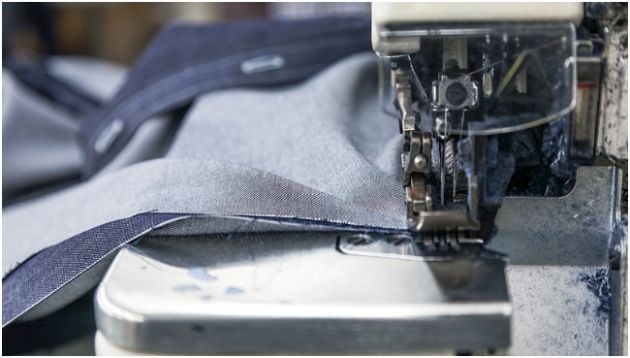
The compatibility of the machine with various needle sizes and types is crucial, especially when working with different fabric thicknesses. Heavy materials like leather necessitate stronger needles and machines designed to handle resistances without jamming.
Durability and Build Quality
Industrial sewing machines are often subjected to continuous operation. Therefore, the frame and internal parts must be made of high-quality materials such as cast iron or steel to withstand wear and tear over extended periods.
Motor Power
Powerful motors are essential in industrial machines to ensure consistent stitching, particularly on dense or multiple layers of fabric. Machines with high-torque motors reduce the chance of skipped stitches and thread breakage.
Ease of Maintenance
Industrial sewing machines must be easy to maintain and service to minimize downtime. Features like accessible oiling points, modular parts, and availability of spare components contribute to maintaining machine reliability.
Assessing Business Needs
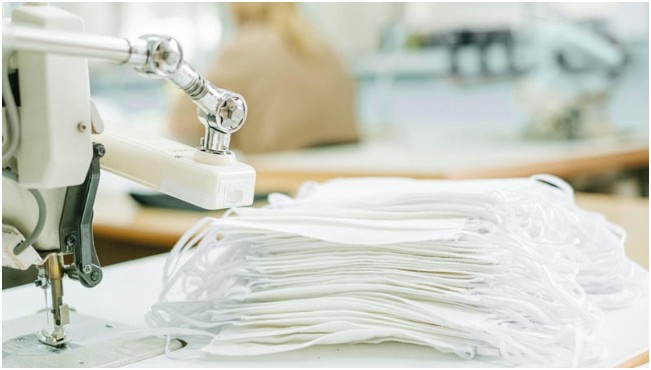
Before making a purchase, businesses should assess their production requirements. Consider the volume of products, types of materials used, and specific sewing functions necessary. This evaluation helps narrow down the machine models that best fit these criteria.
Budget Considerations
While price is an important factor, it should not be the sole determinant. Investing in a higher-quality machine can lead to long-term savings through reduced maintenance costs and increased productivity and maximize every day efficiency of workers. It is advisable to balance initial expenditure with expected returns.
Training and Operator Skill
The complexity of the machine should align with the skill level of the workforce. Machines with user-friendly controls and clear instructions can enhance operator efficiency, reducing errors and material wastage.
Where to Source Industrial Sewing Machines
Reliable suppliers offer a range of machines suited to different industrial sewing applications. Consulting with suppliers who provide technical support and after-sales services can be valuable to ensure the machine operates optimally throughout its lifespan.
One notable supplier offering a comprehensive selection of industrial sewing machines is available at industrial sewing machine suppliers. They provide machines tailored to various business needs, combining quality, performance, and service support.
Warranty and Support
Purchasing from suppliers providing warranty and maintenance support ensures that any mechanical issues can be promptly addressed. This reduces potential production interruptions and safeguards the investment.
Conclusion
Selecting the appropriate industrial sewing machine is a vital component of running a successful sewing business. By understanding the machine features, assessing business needs, and choosing reputable suppliers, businesses can optimise their production process and product quality.
Engaging with providers who specialise in industrial sewing equipment, such as those found at industrial sewing machine suppliers, offers assurance in selecting machines that meet rigorous industry demands.
