

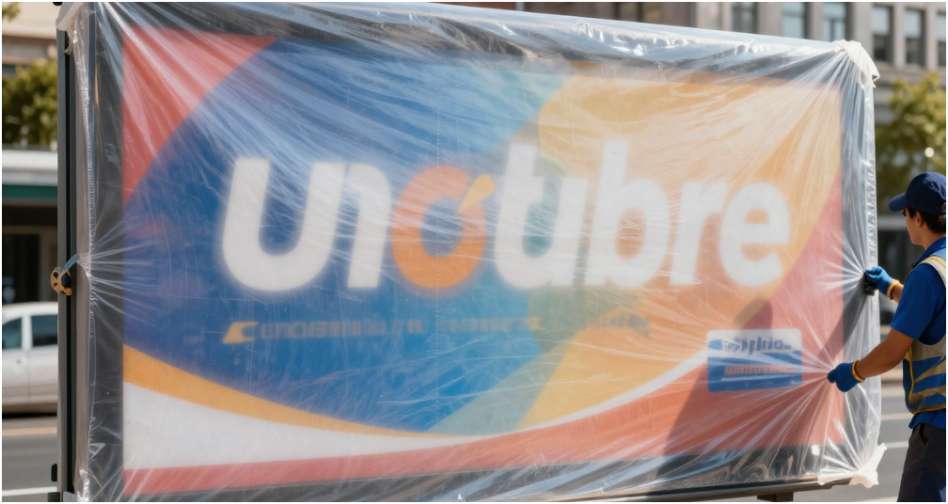
Overlaminate films have become an essential component in the field of creative graphics, offering a range of benefits that enhance both the appearance and durability of printed materials.
These films serve as protective layers, applied over printed graphics to shield them from environmental factors while improving their overall finish. As a result, overlaminate films are widely used in various industries, including advertising, signage, packaging, and vehicle graphics.
Understanding Overlaminate Films
Overlaminate films are thin, transparent sheets made of polyester, vinyl, or polypropylene that are applied on top of printed graphics.
Their primary function is to protect the printed surface from damage such as scratches, UV radiation, moisture, and chemical exposure. By providing a robust barrier, these films ensure that the graphics maintain their original vibrancy and clarity over time.
Types of Overlaminate Films

The market offers multiple types of overlaminate films, each designed for specific applications and finishes. Common finishes include gloss, matte, satin, and textured varieties.
Gloss overlaminates provide a shiny, high-gloss finish that enhances colour vibrancy and sharpness, making them ideal for promotional materials.
Matte and satin finishes offer reduced glare and a more subtle appearance, preferred in professional settings where readability is crucial.
Benefits of Using Overlaminate Films
Enhanced Durability and Protection
One of the primary advantages of overlaminate films is the enhancement of durability. These films effectively protect graphics from physical damage such as abrasions and scratches, prolonging the lifespan of printed materials.
Additionally, they offer resistance to UV rays, preventing fading caused by sunlight exposure, which is particularly beneficial for outdoor signage and vehicle wraps.
Water and Chemical Resistance
Overlaminate films also provide water and chemical resistance, preventing damage from rain, humidity, and cleaning agents.
This property makes them suitable for applications where graphics may be exposed to harsh environments or require frequent cleaning, such as retail displays, exhibition stands, outdoor banners, and vehicle graphics.
Improved Aesthetic Appeal
Applying an overlaminate layer enhances the visual appeal of printed graphics by improving colour vibrancy and adding a uniform finish.
Depending on the chosen finish, overlaminate films can add gloss, reduce glare, or create a tactile texture, allowing designers to achieve the desired look for their projects.
Ease of Maintenance
Graphics protected by overlaminate films are easier to clean and maintain. The laminated surface resists dirt and stains, enabling simple removal with mild cleaning solutions without damaging the underlying print. This ease of maintenance is particularly important for long-term installations and high-traffic areas.
Common Applications of Overlaminate Films
Signage and Banners
Outdoor signs and banners are frequently exposed to weather and physical contact. Using an overlaminate film extends the lifespan of these materials by protecting against UV rays, rain, and physical wear. This protection helps maintain the clarity and vibrancy of promotional messages for longer durations.
Vehicle Graphics and Wraps
Vehicle graphics require high durability to withstand continuous exposure to varying weather conditions and road debris. Overlaminate films provide a protective shield that guards against scratches and UV damage, ensuring the graphics remain intact and visually appealing despite rigorous use.
Retail Displays and Point-of-Sale Materials
In retail environments, point-of-sale materials and displays benefit greatly from overlaminate films. These films protect against fingerprints, smudges, and light abrasion, preserving the professionalism and attractiveness of promotional materials. The choice of matte or satin finishes is common here to enhance readability and reduce reflections under store lighting.
Packaging Applications
Overlaminate films also have uses in packaging, where they protect printed packaging elements from scuffs, moisture, and contaminants during handling and transit. This protection ensures that products reach consumers with packaging that appears fresh and intact, supporting brand image and consumer appeal.
Application Methods and Considerations
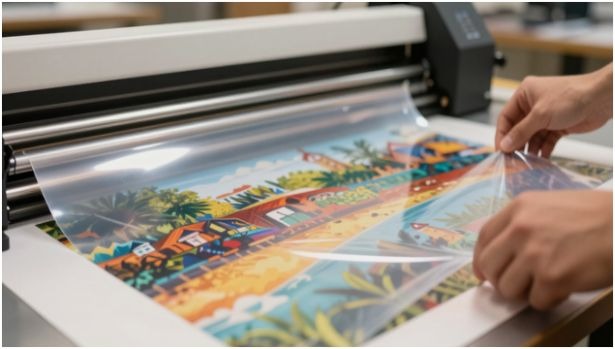
Applying overlaminate films requires attention to detail to avoid bubbles and wrinkles that can detract from the final appearance.
Typically, the films are applied using lamination machines that ensure even pressure and heat distribution for a smooth finish. For larger or complex surfaces like for luxury lumousine services, professional installation may be recommended.
When selecting an overlaminate film, it is important to consider the specific requirements of the project, including exposure conditions, desired finish, and compatibility with the printing media. Consulting with suppliers or specialist providers can help in selecting the appropriate product.
Environmental Impact and Sustainability
With growing awareness of sustainability, some manufacturers now offer overlaminate films made from recyclable materials or designed to be more environmentally friendly.
Choosing these options can contribute to reducing the ecological footprint of graphic products while still providing necessary protection.
Summary
Overlaminate films play a crucial role in extending the life and enhancing the appearance of creative graphics across a variety of applications.
They offer protection against environmental damage, improve aesthetic quality, and facilitate easier maintenance. The versatility in finishes and material formulations allows for tailored solutions to meet specific project needs.
For those seeking high-quality Overlaminate films, Creative Graphic Supplies provides a comprehensive range suitable for diverse applications. Utilising these films can significantly improve the longevity and impact of creative graphic projects, benefiting businesses and designers alike.
