


Efficient construction management is essential in today’s competitive industry. With tighter deadlines, rising costs, and increasingly complex projects, construction teams must find smarter ways to deliver high-quality results without wasting time or resources. Efficiency is not about rushing work—it is about improving systems, coordination, and decision-making at every stage of a project.
The Importance of Strategic Planning

Strong planning is the foundation of any efficient construction project. Without a clear roadmap, even the most skilled teams can run into delays, budget overruns, and confusion on-site. Detailed project scheduling helps define timelines, allocate resources effectively, and identify potential risks early.
Modern construction management tools allow teams to create dynamic schedules that adjust in real time. This helps managers respond quickly to unexpected changes and keep projects moving forward. When planning is done right, every phase of construction flows more smoothly, reducing downtime and improving productivity.
Leveraging Technology and Equipment Efficiency
Technology has become a major driver of efficiency in construction. From digital modeling tools to automated machinery, modern innovations help reduce manual errors and speed up workflows. Equipment tracking systems also ensure that machinery is used effectively and maintained properly.
However, even the best machines require regular servicing to remain reliable. Equipment breakdowns can bring entire projects to a halt, making preventive maintenance essential. In some cases, specialized services such as hydraulic machinery repair in Utah are critical to restoring equipment performance and minimizing costly downtime.
Improving Communication and Team Coordination

Construction projects rely on multiple teams working together simultaneously. Poor communication often leads to misunderstandings, rework, and delays. To avoid this, clear communication channels must be established from the start.
Daily briefings, progress updates, and digital collaboration tools help ensure that everyone stays aligned with project goals. When workers, supervisors, and project managers communicate effectively, decisions are made faster and with greater accuracy. This leads to fewer errors and a more efficient workflow overall.
Streamlining Supply Chain and Procurement
Material delays are one of the most common causes of construction inefficiency. If materials do not arrive on time, labor stands idle and project schedules are disrupted. Efficient procurement strategies help avoid these issues.
By working with reliable suppliers, forecasting material needs accurately, and maintaining organized inventory systems, construction managers can ensure a steady flow of resources. Just-in-time delivery methods also help reduce storage costs and minimize waste, keeping projects lean and efficient.
Lean Construction and Waste Reduction
Lean construction principles focus on maximizing value while minimizing waste. This includes reducing excess materials, eliminating unnecessary steps, and improving workflow efficiency. Techniques such as prefabrication and modular construction allow teams to complete parts of a project off-site, saving time and improving quality control.
Sustainability also plays a role in efficiency. Using resources responsibly not only reduces environmental impact but also lowers long-term costs and improves project outcomes.
Data-Driven Decision Making
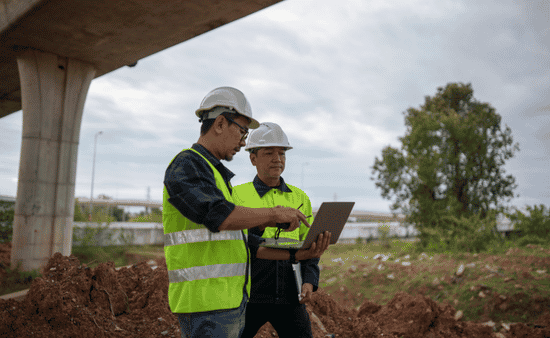
Data is transforming how construction projects are managed. Real-time analytics allow managers to monitor progress, track productivity, and identify inefficiencies quickly. Predictive tools can even forecast delays or cost overruns before they happen.
By using data effectively, construction teams can make informed decisions that improve performance and reduce risks. This shift toward digital decision-making is helping companies complete projects faster and more reliably.
The Role of Safety in Efficiency
When workers feel safe and supported, productivity naturally improves. Prioritizing safety is therefore not just a legal requirement—it is a key part of efficient construction management.
In Conclusion: Building Smarter for the Future
Efficient construction management is about integrating planning, technology, communication, and safety into one streamlined system. Companies that embrace these strategies are better equipped to deliver projects on time, within budget, and at a higher standard of quality.
As the industry continues to evolve, efficiency will remain the defining factor that separates successful construction firms from the rest.
