


The landscape of sports facility construction is shifting rapidly. Builders and urban planners are no longer just laying down grass and painting white lines. Modern outdoor sports complexes are evolving into highly sophisticated, multi-functional hubs that serve entire communities while minimizing environmental impact.
Prioritizing Sustainable and Eco-Friendly Materials
Environmental responsibility is now a cornerstone of modern construction. Sports facilities require massive amounts of raw materials and energy to build and maintain, making them prime candidates for green innovation. Builders are increasingly turning to sustainable alternatives that do not compromise athletic performance.
This same forward-thinking approach is important when deciding what to include in a new home, where energy-efficient materials, durable systems, and environmentally conscious design choices can reduce long-term costs while creating a more sustainable living space.
Recycled and Permeable Surfaces
Traditional asphalt and concrete are being replaced by permeable paving solutions. These materials allow rainwater to filter through the surface, reducing runoff and preventing local water systems from being overwhelmed. Additionally, many fields now utilize synthetic turf made from recycled plastics, paired with organic infill materials like crushed walnut shells or cork, rather than traditional crumb rubber.
Energy-Efficient Infrastructure
Lighting is a massive operational expense for any outdoor facility. The industry standard has shifted entirely to LED lighting, which consumes significantly less electricity and requires less maintenance than older metal halide lamps. Solar panels are also being integrated into shading structures and stadium roofs, allowing facilities to generate their own clean energy and offset heavy electrical loads.
Integrating Smart Technology for Better Experiences
Technology is changing how facilities are managed and how athletes interact with the space. The integration of the Internet of Things (IoT) allows facility managers to monitor and optimize their venues in real time. Similar innovations are driving the adoption of smart home upgrades, where connected devices help homeowners control lighting, climate, security, and energy usage more efficiently and conveniently.
Automated Facility Management
Smart irrigation systems use local weather data and soil moisture sensors to water natural grass fields only when necessary. This conserves thousands of gallons of water annually. Similarly, smart lighting systems can be programmed or controlled remotely via smartphone apps, ensuring that lights are only active when the field is in use.
Enhanced Athlete and Fan Engagement
Sensors embedded in tracks and playing surfaces can provide athletes with immediate feedback on their speed, impact, and overall performance. For fans, outdoor facilities are boosting Wi-Fi connectivity and integrating digital scoreboards that sync with mobile apps, offering real-time stats, instant replays, and interactive community features.
Designing Multi-Purpose and Flexible Spaces
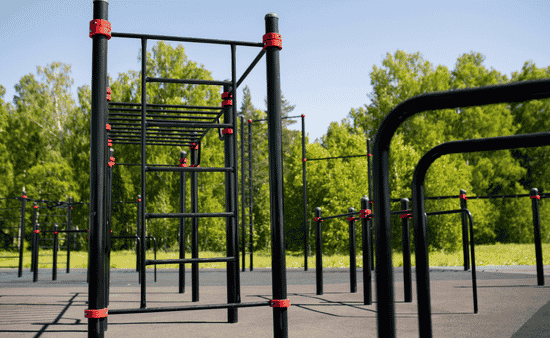
Urban space is at a premium. Dedicated single-sport facilities are becoming less common, replaced by adaptable venues that cater to various activities and community events. Flexibility maximizes the return on investment and ensures the facility remains active year-round.
This emphasis on efficient land use reflects many of the ways landscaping impacts home construction projects, where thoughtful planning helps property owners make the most of available space while improving functionality, drainage, and overall aesthetic appeal.
Adaptive design involves clever line-marking and modular equipment. For example, modern tennis court surfacing in Utah is frequently designed and painted to accommodate both tennis and the rapidly growing sport of pickleball. By installing adjustable netting and utilizing durable, high-traction acrylic surfaces, a single court can serve multiple user groups seamlessly.
Beyond the courts, open green spaces are being designed to host soccer matches on Saturday mornings and community farmers’ markets on Sunday afternoons. Retractable seating and portable fencing allow managers to scale the venue size up or down depending on the crowd, making the space truly versatile.
Focusing on Player Safety and Injury Prevention
A beautiful facility means nothing if it puts its users at risk. Advancements in sports science have heavily influenced construction trends, leading to designs that actively protect athletes from acute injuries and long-term wear and tear.
Advanced Shock Absorption
The unforgiving surfaces of the past are being phased out. Modern synthetic turfs and outdoor court surfaces feature engineered shock pads hidden beneath the visible layer. These underlayments reduce the impact on athletes’ joints, significantly lowering the risk of sprains, fractures, and concussions.
Heat Mitigation Strategies
Outdoor sports facilities absorb a tremendous amount of heat, particularly in peak summer months. To combat heat exhaustion, builders are using lighter-colored materials that reflect UV rays rather than absorbing them. Specialized cool coatings for hard courts and specialized cooling infills for synthetic turf can drop surface temperatures by up to 20 degrees, keeping players safe during intense heat waves.
Conclusion
The sports facilities of tomorrow are being built today. By embracing eco-friendly materials, smart technologies, and adaptable designs, developers can create outdoor venues that are safer, greener, and more engaging than ever before.
