

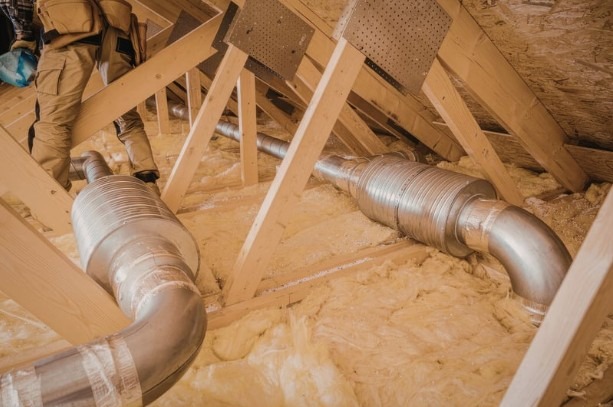
Energy efficiency has become a critical concern for homeowners, builders, and industries alike in Australia. With rising energy costs and increasing environmental awareness, the demand for effective insulation solutions has significantly increased.
Insulation serves as a crucial component in maintaining indoor temperature, reducing energy consumption, and contributing to sustainable living. Therefore, understanding the role of leading insulation manufacturers in Australia is essential for making informed decisions about energy-saving measures.
The Importance of Insulation in Energy Efficiency
Insulation functions as a barrier that reduces heat transfer between the interior and exterior of buildings. Properly installed insulation keeps homes cooler in summer and warmer in winter, resulting in decreased reliance on heating and cooling systems.
This not only reduces energy bills but also lowers greenhouse gas emissions. Effective insulation enhances indoor comfort and contributes to long-term cost savings, making it an indispensable element in modern construction.
Types of Insulation Used in Australian Buildings
Foam insulation provides superior air sealing qualities, while cellulose insulation is valued for its eco-friendliness, as it often contains recycled materials. Reflective insulation is particularly useful in hot climates, as it reflects radiant heat away from the building.
Role of Leading Insulation Manufacturers Australia
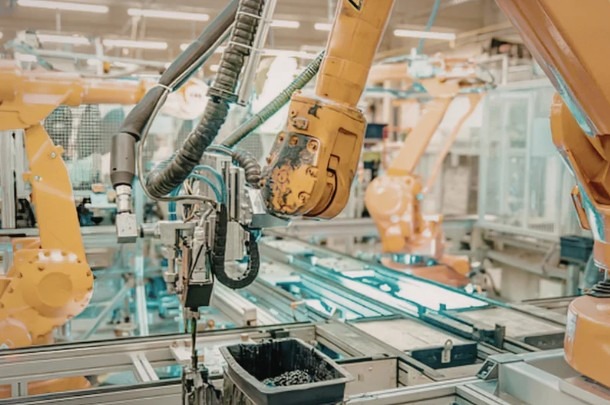
The quality and availability of insulation products heavily depend on the expertise of insulation manufacturers. Leading insulation manufacturers australia actively contribute to advancing insulation technology and materials tailored to suit the diverse climate zones across the country. These manufacturers ensure that products comply with Australian standards and building code requirements, providing reliable solutions that enhance energy efficiency.
One notable example of a reputable manufacturer is insulation manufacturers australia. Such companies offer comprehensive product ranges and technical support to architects, builders, and homeowners. Their commitment to innovation and sustainability helps drive industry improvements and promote widespread adoption of high-performance insulation.
Innovations in Insulation Technology
Modern insulation manufacturers focus on developing materials with improved thermal resistance, durability, and environmental credentials. Advances include the development of insulation products incorporating recycled content, non-toxic binders, and enhanced fire resistance. Additionally, some manufacturers provide pre-cut insulation panels or flexible solutions that simplify installation and reduce waste on-site.
Benefits of Choosing High-Quality Australian Insulation Products
Moreover, many Australian insulation manufacturers are committed to sustainability and social responsibility. By prioritising environmentally friendly production methods and responsible sourcing, they contribute to reducing the overall carbon footprint of building projects.
Impact on Building Ratings and Compliance
Energy efficiency ratings and compliance with Australia’s National Construction Code (NCC) require appropriate insulation specifications. Selecting materials from recognised insulation manufacturers australia helps ensure that buildings meet or exceed these regulatory requirements. High-performance insulation contributes to achieving higher energy rating certifications, which can enhance property value and marketability.
Challenges Facing Insulation Manufacturers in Australia
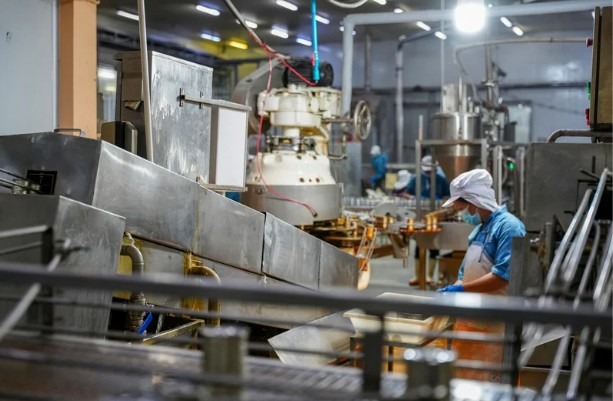
Despite the clear benefits of insulation, manufacturers face challenges such as fluctuating raw material costs, evolving regulations, and the need for ongoing innovation. Additionally, raising awareness among consumers and the construction industry about the importance of insulation remains a challenge.
Government Policies and Support
The Australian government has implemented policies promoting energy efficiency in buildings, including rebates and incentives for insulation upgrades. These initiatives support the insulation manufacturing sector by stimulating demand and encouraging the adoption of state-of-the-art insulation products. Consequently, insulation manufacturers australia continually adapt to regulatory changes and consumer expectations.
The Future of Insulation Manufacturing in Australia
Looking ahead, insulation manufacturers in Australia are likely to expand their focus on sustainable materials, improved energy performance, and integration with smart building technologies. Advances in nanotechnology and material science could lead to insulation products with superior thermal properties and multifunctional capabilities.
Furthermore, as the construction industry moves towards net-zero energy buildings, the role of insulation will become even more significant. Leading manufacturers will need to invest in research and development to meet these future demands and provide innovative solutions that enhance building performance while minimising environmental impact.
Conclusion
Energy efficiency is a pivotal aspect of modern building design and construction in Australia. Insulation plays a fundamental role in reducing energy consumption and improving indoor comfort. Leading insulation manufacturers australia provide essential products and knowledge to support this goal, offering high-quality, sustainable insulation solutions tailored to Australian conditions.
By selecting trusted manufacturers and ensuring proper installation, homeowners and builders can achieve substantial energy savings and contribute to environmental sustainability. The continued advancement of insulation technologies and adherence to regulatory standards will be key to meeting Australia’s energy efficiency objectives in the years to come.
