

Winter brings freezing temperatures, making it essential to keep your home warm and comfortable. However, staying cozy often leads to skyrocketing energy expenses that strain your household budget. Fortunately, reducing these seasonal costs is entirely possible with a few strategic adjustments. By optimizing your home and habits, you can stay warm while saving money this season.
Understanding Your Heating System
Regular Maintenance
Maintaining your heating infrastructure is the most critical step in ensuring it runs efficiently throughout the freezing season. Dirt and neglect are the top causes of heating system inefficiency and failure. To prevent this, homeowners should replace air filters every one to three months. A clogged filter restricts airflow, forcing the unit to work harder and consume significantly more energy to push warm air through your home.
Additionally, scheduling an annual professional inspection can identify worn parts before they break down entirely. If your system is old and frequently requires repairs, it might be more cost-effective in the long run to look into furnace replacement services in Herriman to find a modern, highly efficient unit. A newer system will use far less fuel to produce the same amount of heat, instantly lowering your monthly utility statements.
Smart Thermostat Usage
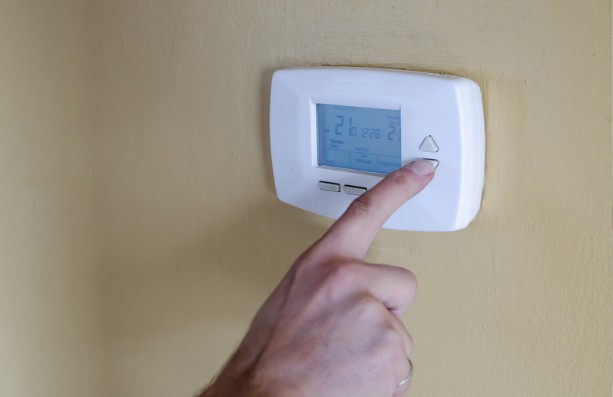
Upgrading to an automated or programmable thermostat allows you to control your indoor climate with precision. Rather than manually adjusting the dial multiple times a day, these modern devices learn your schedule and adjust temperatures automatically based on your preferences.
For instance, the system can lower the heat when you leave for work and begin warming the house just before you return. This seamless automation ensures you never waste energy heating an empty home, leading to substantial financial savings over the course of the cold season without any extra daily effort on your part.
Optimizing Home Insulation
Sealing Leaks and Gaps
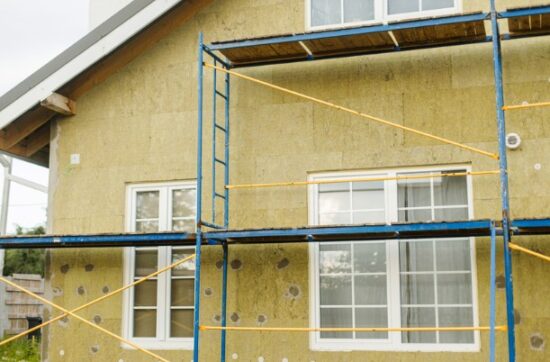
Even the most efficient central heating system cannot overcome the burden of a drafty house. Warm air naturally moves toward colder areas, meaning the heat you pay for will escape through any available crack or crevice. Inspect your home thoroughly for gaps around windows, doors, and utility entry points. Applying weatherstripping to door frames and using caulking to seal window seams are inexpensive DIY projects that yield immediate returns on your investment.
Furthermore, you should check your attic and basement, as these are common areas where conditioned air sneaks out of the building envelope. Adding proper, high-quality insulation to these spaces acts as a robust thermal blanket, trapping the heat inside where it belongs.
Window and Door Upgrades
Windows are notorious for severe thermal transfer. If you have older, single-pane windows, you should consider upgrading to double or triple-pane models that feature insulated glass filled with dense gas. While this requires a larger initial financial investment, the permanent reduction in energy consumption is immense.
If a full architectural replacement is not currently in your household budget, there are highly effective temporary solutions available at most hardware stores. Installing heavy thermal curtains or applying clear plastic insulating film over the glass can drastically reduce the chill radiating into your rooms. Additionally, replacing old wooden exterior doors with modern insulated steel or fiberglass options will provide a much tighter seal against the harsh winter winds.
Energy-Efficient Habits
Strategic Thermostat Settings
Small behavioral changes can produce remarkable financial savings over a few months. Experts suggest setting your thermostat to around 68 degrees Fahrenheit while you are awake and active at home. For every degree you lower the thermostat below this baseline, you can save a measurable percentage on your monthly heating bill.
When you are asleep or away from the house for an extended period, dial the temperature back another seven to ten degrees. Many people mistakenly believe that it takes more energy to reheat a cold house than to maintain a constant high temperature, but maintaining a high temperature continuously actually results in greater overall heat loss and higher expenses.
Clothing and Comfort
Adjusting your indoor winter wardrobe is a simple yet incredibly effective way to stay comfortable at lower room temperatures. Wearing a thick sweater, thermal socks, or a comfortable pair of heavy slippers can make a 68-degree living room feel incredibly cozy. Keep warm throw blankets easily accessible on your couches and chairs so you can bundle up while watching television, reading a book, or relaxing with your family.
Additionally, you can utilize the natural, free warmth of the sun. Open your heavy curtains on south-facing windows during the day to allow sunlight to naturally heat your living spaces, and close them tightly at dusk to provide an extra layer of insulation against the nighttime cold.
Alternative Heating Methods
Zone Heating
Central heating systems push warm air to every corner of your house, including unused guest rooms, large storage areas, and empty hallways. Zone heating is a strategic alternative that focuses on warming only the specific areas you actively occupy during the day.
By closing the vents and shutting the heavy doors to unused rooms, you direct the system’s airflow strictly to the living room or bedroom where you actually need it. This significantly reduces the total volume of space your machinery has to heat, allowing it to reach your desired ambient temperature much faster and shut off sooner.
Energy-Efficient Space Heaters
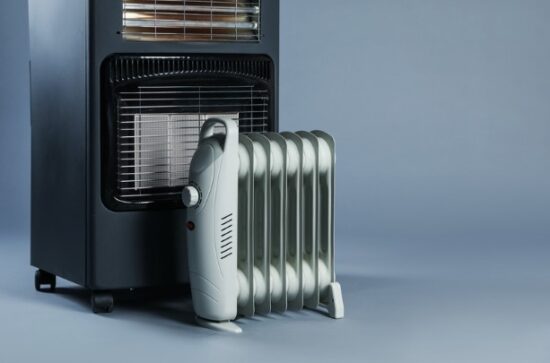
When applying a targeted zone heating strategy, a modern, highly efficient space heater can be a valuable supplemental tool. If you spend your entire evening in one specific room, turning down the central thermostat and running a small electric heater locally can keep you perfectly comfortable while drastically slashing your overall household energy consumption.
However, it is absolutely vital to use these devices responsibly. Always plug them directly into a primary wall outlet rather than a power strip or extension cord, and ensure they feature built-in safety mechanisms like automatic tip-over shutoff switches. When used strategically rather than as a primary heat source, they are an excellent addition to your energy-saving plan.
Long-Term Investments for Savings
Upgrading Heating Systems
If your heating equipment is more than fifteen years old, it is likely operating at a significantly lower annual fuel utilization efficiency rating than modern standards dictate. Today’s high-efficiency systems convert nearly all of their consumed fuel into usable ambient heat, whereas older models lose a remarkably large percentage of that energy through the exhaust flue.
While the upfront monetary cost of a brand-new installation is substantial, the dramatic reduction in monthly utility bills often fully offsets the initial expense over the lifespan of the equipment.
Renewable Energy Options
For homeowners looking to make the ultimate long-term commitment to energy efficiency, transitioning to renewable energy sources is an excellent path forward. Installing robust solar panels on your roof can generate the electricity needed to power electric heating systems or heat pumps, virtually eliminating your reliance on the traditional power grid.
Geothermal heat pumps represent another incredibly efficient, forward-thinking option. They utilize the constant, moderate temperature of the earth far below the frost line to efficiently heat your home in the winter and cool it in the summer. Though these renewable solutions require significant initial capital, they offer the highest possible return on investment by drastically cutting long-term dependencies.
Conclusion
Lowering your utility expenses during the winter does not mean sacrificing your comfort. By making smart adjustments to your heating system, sealing drafts, and adopting energy-efficient daily habits, you can enjoy a warm living space. Taking action now protects your budget against rising energy costs. Start implementing these practical strategies today for a highly efficient home.
