

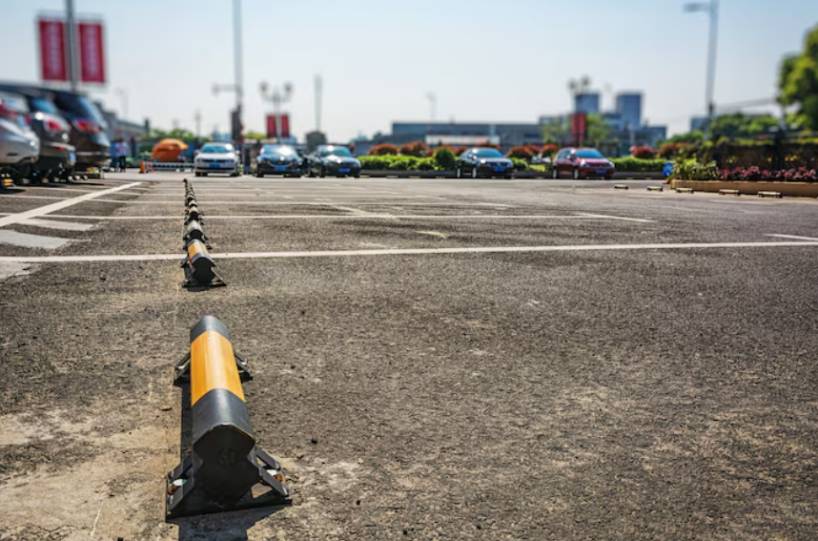
Parking areas are essential components of urban infrastructure and commercial properties, designed to facilitate orderly vehicle storage and safe pedestrian movement. One critical element in maintaining safety and preventing accidents in parking facilities is the use of wheel stops. This article explores the role of wheel stops in enhancing parking safety and discusses their various applications and benefits.
What Are Wheel Stops?
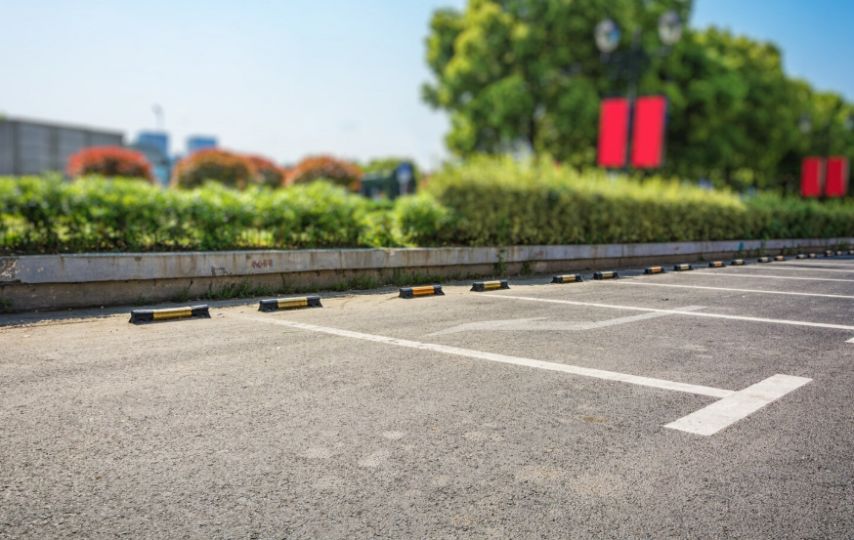
Wheel stops, also known as parking blocks or curb stops, are barriers installed in parking spaces to prevent vehicles from moving beyond a designated point. Typically constructed from materials such as concrete, rubber, or plastic, wheel stops serve as physical indicators for drivers, signalling where to halt their vehicles safely.
The Importance of Wheel Stops in Parking Safety
Without proper barriers, vehicles may inadvertently encroach on pedestrian pathways, landscaping, or adjacent parking spaces. Wheel stops establish clear boundaries, reducing the risk of damage to both property and pedestrians. By halting vehicles at precise points, they contribute significantly to accident prevention within parking zones.
Parking infrastructure is most effective when paired with driving skills that will secure your future on the road, helping drivers make safer decisions in every environment.
Preventing Property Damage
Vehicles can cause substantial damage if allowed to travel beyond parking bays. Encroachment on walls, fences, curbs or landscaped areas can result in costly repairs. Wheel stops mitigate this risk by serving as a protective buffer that restricts vehicle movement, thus protecting surrounding structures and green spaces.
Enhancing Pedestrian Safety

Parking lots accommodate both vehicles and pedestrians, making safety an essential consideration. Wheel stops help prevent vehicles from crossing into pedestrian walkways or gathering areas. This physical barrier acts as a safeguard, minimising the chance of collisions between vehicles and pedestrians within parking environments.
Combining physical parking safety measures with smart driving tools and tips encourages more responsible driving habits and helps reduce risks in busy parking areas.
Regulatory Compliance and Wheel Stops
Many local authorities and safety standards mandate the installation of wheel stops in parking facilities to ensure proper vehicle control. Adhering to such regulations not only reduces liability but also upholds the standard of safety expected in public and private spaces.
Materials Used in Wheel Stops
Wheel stops are available in various materials, each offering distinct advantages. Concrete wheel stops are durable and heavy, providing substantial resistance to vehicle impacts. Rubber versions are flexible, easier to install, and often incorporate reflective strips for visibility. Plastic alternatives are lightweight and suitable for temporary installations.
Design Considerations for Wheel Stops
When selecting wheel stops, factors such as size, height, weight, and visibility are crucial. The dimensions should align with vehicle types frequently using the parking area. Sufficient height ensures effective stopping power, while reflective elements improve visibility during low-light conditions, reducing collision risks during night-time or adverse weather.
Installation Best Practices
Correct installation of wheel stops is vital to their functionality. They should be securely anchored to the ground to prevent displacement and placed at appropriate distances within parking spaces to accommodate different vehicle sizes. Consultation with parking design experts can ensure optimal placement and adherence to safety regulations.
Maintaining Wheel Stops
Regular inspection and maintenance are important to preserve the effectiveness of wheel stops. Exposure to weather and vehicle impacts can cause wear or damage, necessitating repair or replacement. Maintenance schedules should be integrated into facility management routines to sustain parking safety.
Cost-Effectiveness of Wheel Stops
Compared to other parking safety measures, wheel stops are an affordable solution with long-term benefits. By preventing property damage and enhancing pedestrian protection, they reduce the potential costs related to accidents and repairs. Investing in quality wheel stops can lead to significant savings over time.
Applications Beyond Parking Lots
Although primarily used in parking areas, wheel stops have applications in other settings such as loading docks, garages, and industrial zones. They can assist in organising vehicle positioning, protecting equipment, and managing traffic flow in diverse environments.
Wheel Stops and Environmental Considerations
Modern designs often incorporate environmentally friendly materials or recycled components, reducing the ecological footprint of wheel stop production and disposal. Moreover, using wheel stops to protect landscaped areas preserves green spaces, further contributing to environmental sustainability in urban settings.
Comparing Wheel Stops with Other Parking Safety Devices
While alternatives such as bollards, speed humps, and parking gates offer specific functions, wheel stops uniquely provide direct vehicle positioning control within individual bays. Combining wheel stops with other devices can create comprehensive safety systems tailored to specific parking facility needs.
Choosing the Right Wheel Stops Supplier
Selecting a reputable supplier ensures access to high-quality, compliant wheel stops accompanied by expert advice and after-sales support. Suppliers specialising in safety equipment can offer customised solutions that meet the specific requirements of various site conditions and vehicle types.
Conclusion
Effective parking safety relies on multiple components working together to protect vehicles, property, and pedestrians. Wheel stops represent a fundamental element in this safety infrastructure. Their role in defining vehicle boundaries, preventing damage, and enhancing pedestrian safety makes them indispensable in parking lot design and management. With appropriate selection, installation, and maintenance, wheel stops contribute significantly to creating safer, more organised parking environments.
