

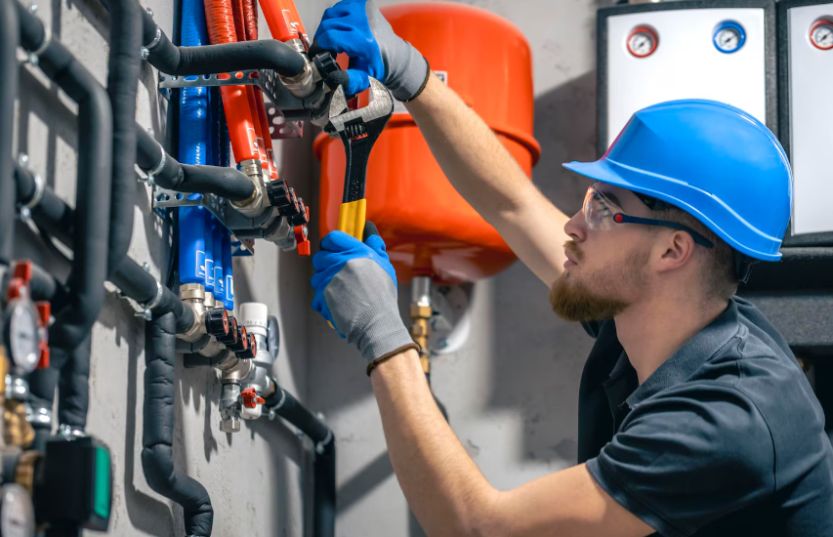
Water leak detection is an essential aspect of maintaining the integrity of both residential and commercial properties. Undetected leaks can lead to significant damage, including structural decay, increased utility bills, and health hazards due to mould and dampness. Implementing effective water leak detection solutions is critical for preventing such outcomes and ensuring efficient water use.
The Importance of Water Leak Detection
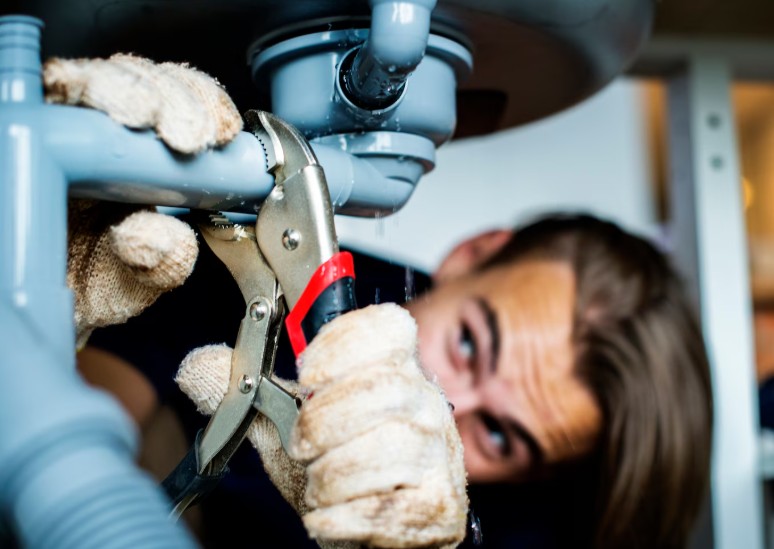
Leaks often occur in areas that are not easily visible, such as beneath floors, behind walls, or underground. Without timely detection, these leaks can persist for extended periods, causing extensive damage. Early identification enables property owners to address issues promptly, thereby reducing repair costs and conserving water resources.
Common Causes of Water Leaks
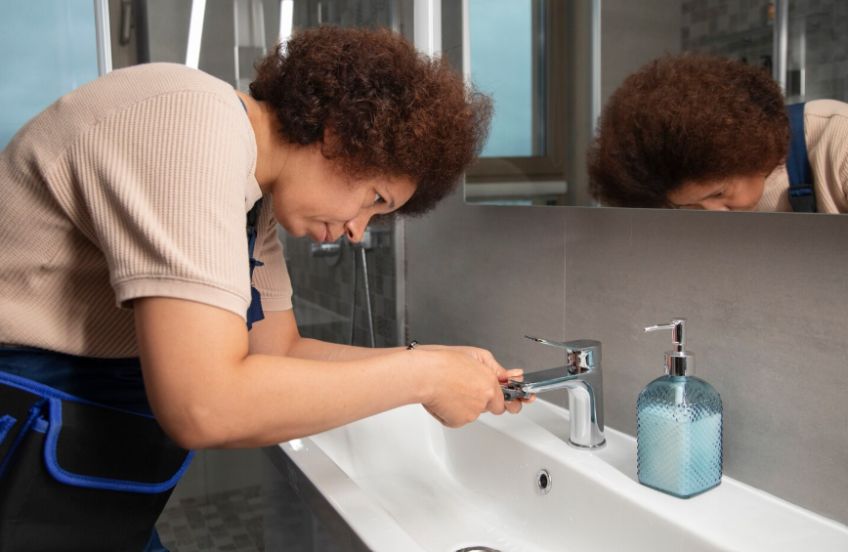
Water leaks may result from various factors including ageing pipes, corrosion, poor installation, ground movement, or sudden impacts. Additionally, faulty appliances and system component failures can contribute to leaks within plumbing systems. Understanding the causes aids in selecting appropriate detection methods and preventative measures.
Signs Indicating Possible Water Leaks
Detecting leaks early often depends on recognising signs such as unexplained damp patches, mould growth, musty odours, water stains on walls or ceilings, and unusually high water bills. Identifying these symptoms should prompt further investigation using professional techniques for accurate location and assessment.
Technologies Used in Water Leak Detection
Modern water leak detection employs a range of advanced technologies that enhance accuracy and efficiency. Acoustic sensors listen for the sound of escaping water, thermal imaging cameras detect temperature variations caused by leaks, and moisture sensors identify elevated humidity levels inside structures. Each method offers specific advantages depending on the situation.
Acoustic Leak Detection
This technique utilises sensitive listening devices to detect the sound of water escaping from pipes. Acoustic leak detection is especially effective for locating leaks in pressurised systems and underground pipes, where access is limited. Trained specialists interpret the data to pinpoint the exact location of a leak.
Thermal Imaging Cameras
Thermal imaging technology detects anomalies in surface temperatures that may indicate moisture presence. These cameras provide a visual map highlighting areas of potential leaks, making them useful for inspecting walls, ceilings, and flooring without invasive procedures.
Moisture Sensors and Meters
These devices measure humidity and moisture content within materials. By identifying elevated moisture levels, they help locate damp areas that might be related to hidden water leaks. Moisture sensors are commonly used during building inspections and maintenance routines.
Professional Water Leak Detection Services
Utilising professional services ensures accurate diagnosis and efficient repair of leaks. Experts employ specialised equipment and bring technical knowledge on system layouts and leak indicators. One such reliable provider can be found by accessing water leak detection services offered by experienced specialists.
Benefits of Engaging Specialists
Hiring professionals reduces the risk of misdiagnosis and unnecessary damage caused by invasive search methods. Their expertise allows for targeted interventions, minimising interruption to occupants and reducing overall costs. Furthermore, they can offer advice on preventative maintenance and system upgrades.
Integration of Leak Detection with Smart Technologies
Smart home and building automation have introduced new dimensions to water leak management. Sensors connected to internet-based monitoring platforms enable real-time alerts and remote shutoff controls. These systems can prevent leaks from escalating by allowing immediate user response or automatic intervention.
Advantages of Smart Leak Detection Systems
Instant notifications reduce response times, potentially stopping water damage before it progresses. Data collected can also provide insights into usage patterns and potential vulnerabilities, guiding informed maintenance and upgrades. Such innovations represent a forward step in water conservation and property protection.
Preventative Maintenance to Reduce Leak Occurrences
Regular inspections and maintenance are fundamental components of effective leak management. Checking pipe conditions, tightening fittings, replacing worn components, and ensuring proper system operation prevents the development of leaks. Scheduled maintenance complements detection efforts and limits the likelihood of unexpected failures.
Including seasonal home maintenance tasks in your regular property care routine can help identify plumbing issues early and reduce the risk of hidden water leaks developing over time.
Role of Building Design and Materials
Choice of durable, corrosion-resistant materials and well-designed plumbing layouts can significantly reduce leak risks. Incorporating accessible shutoff valves and inspection points facilitates easier detection and repair. Good design practices contribute to the long-term reliability of water systems.
Following an HVAC plumbing and electrical home maintenance guide can also help property owners identify potential system issues before they lead to costly water leaks or related damage.
Environmental and Economic Impacts of Untreated Leaks
Beyond property damage, water leaks contribute to unnecessary wastage of a precious resource, exacerbating environmental concerns. Unaccounted water loss increases operational costs for households and businesses alike. Employing effective detection and repair strategies supports sustainability and economic efficiency.
Encouraging Responsible Water Use
Addressing leaks aligns with broader objectives of water conservation. Awareness campaigns and support for leak detection programmes promote responsible water management among consumers and stakeholders. Ultimately, this benefits communities by preserving water supplies and reducing infrastructure strain.
Conclusion
Effective water leak detection solutions are indispensable in protecting properties, conserving water, and avoiding costly damages. Combining technology, professional expertise, and preventative maintenance offers a comprehensive approach to identifying and managing leaks. Accessing specialised water leak detection services enables property owners to address issues promptly and maintain the integrity of their plumbing systems.
