

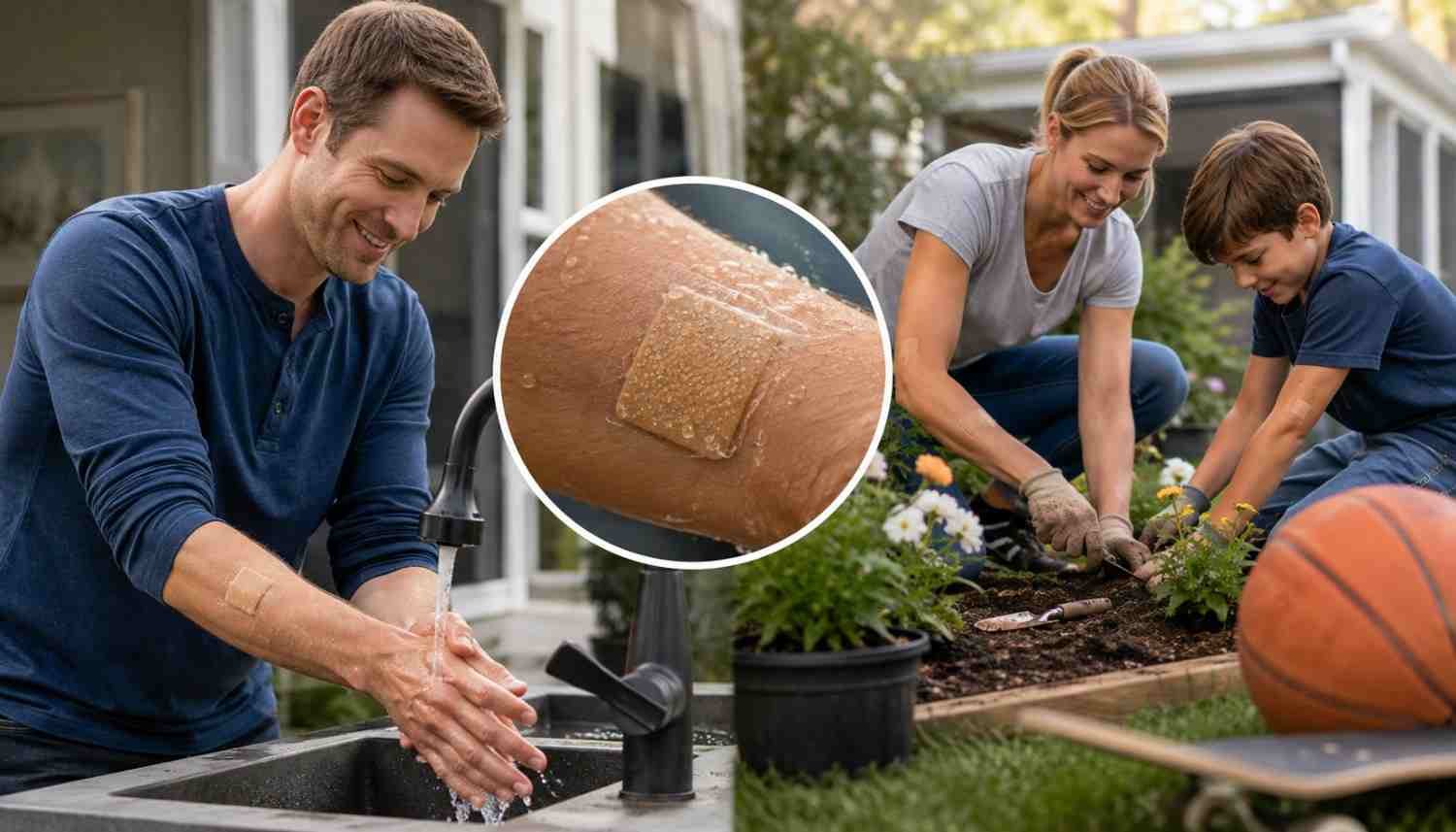
A minor wound rarely stays isolated from daily life. You still need to shower, get dressed, move around, cook, commute, work out, or help a child get ready for the day. That is exactly where a waterproof bandage becomes more than a convenience item. It helps create a more reliable barrier between a vulnerable wound and the ordinary exposure that can complicate recovery.
The real challenge is not just keeping water out for a moment. It is maintaining a seal through movement, moisture, friction, and routine pressure. A bandage that looks intact at first can still fail quietly at the edge, especially when the person wearing it is active and not paying constant attention. DrySee’s approach matters here because it adds a visible signal when the dressing is compromised, turning guesswork into something you can actually see.
Why Everyday Routines Put More Pressure on Wounds Than People Realize
Most people think of wound protection as a short-term issue: cover the cut, keep it clean, and move on. In practice, everyday routines create repeated stress on the dressing. Water exposure in a shower, sweat during exercise, condensation, friction from clothing, and incidental contact with surfaces can all weaken a seal.
That is why a basic cover is not always enough. A wound does not need a dramatic incident to be exposed. A little seepage at the perimeter can be enough to undermine confidence in the dressing and make the user unsure whether it still works. With a waterproof bandage, the goal is not to make life less active. It is to let normal activity continue with a better sense of control.
The Hidden Problem Is Not Just Water

Water is the obvious threat, but it is not the only one. Once a seal is disrupted, dirt and germs become more relevant because the dressing is no longer performing as a dependable barrier. That matters for minor cuts, scrapes, stitches, tattoos, and post-surgical incisions, where the surrounding skin may already be sensitive.
A wound cover has to do more than sit on top of the skin. It has to stay flexible, maintain adhesion, and preserve visibility without constant removal. That is one reason DrySee’s waterproof dressings stand out: the product is designed to protect while also giving the wearer a way to confirm whether the barrier is still intact.
What Good Wound Protection Actually Looks Like
If you can tell at a glance whether the seal is still doing its job, you can avoid unnecessary dressing changes and respond sooner when replacement is needed. That is a practical advantage, not a cosmetic one.
DrySee’s patented liquid alert perimeter is built around that idea. The border changes from white to blue if water breaks the seal or saturates the pad. That visual cue matters because it removes ambiguity. Instead of lifting the dressing to inspect it, you can see whether liquid intrusion has occurred.
Why Visual Confirmation Matters
The difference between “probably fine” and “definitely compromised” is larger than it sounds. People tend to leave dressings on too long when they are unsure, or replace them too early when they are anxious. Both habits can be inefficient, and both can be frustrating when healing is already inconvenient.
A color-changing bandage gives you a cleaner decision point. If the perimeter stays white, the dressing is still intact. If it turns blue, it is time to change it. That kind of simple feedback is especially useful in busy households, during travel, or any situation where the wound must be managed without a lot of extra attention.
DrySee’s design offers visible reassurance when the barrier is working and visible notice when it is not.
How DrySee Supports Real-World Use Without Getting in the Way
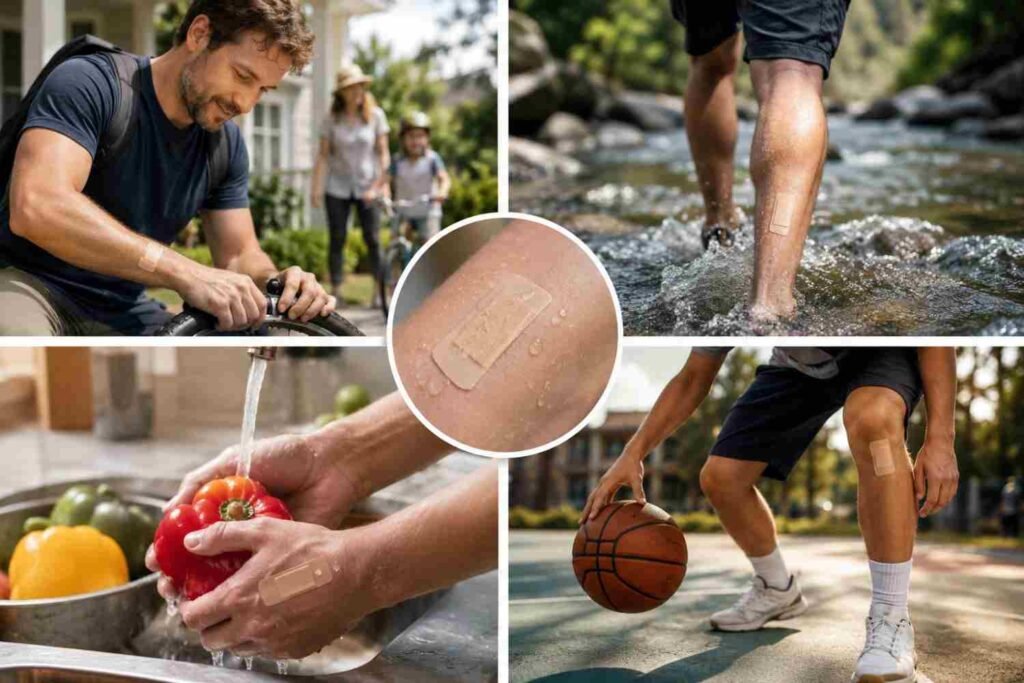
The best wound protection is the kind you can actually live with. If a dressing feels bulky, irritating, or difficult to monitor, people start adjusting their routines around it. That can lead to more disruption than the original injury. DrySee addresses that problem with a clear, flexible, non-latex adhesive border and a non-stick absorbent pad.
The product is meant to support ordinary movement without demanding constant management. If the dressing can stay on during showering, swimming, and active days while still offering visible confirmation of protection, it becomes easier to stay consistent.
DrySee also uses a non-woven gauze pad made with 100% USP cotton cleaned without chlorine and produced in the USA. That combination is notable because it reflects attention to material quality without turning the product into something complicated for the user.
Where the Design Helps Most
A dressing like this is especially useful when a wound is in a part of the body that is hard to ignore, but also hard to protect. For people managing recovery on a budget, choosing budget-friendly health services and practical wound-care products can also help make everyday care more manageable.
Common scenarios include:
- Showering without having to baby the wound
- Swimming or water exposure during normal life
- Exercise or movement that causes sweat and friction
- Stitches or incisions that need a protective barrier
- Tattoos that require clean, secure coverage
- Minor cuts and scrapes that still need dependable sealing
In each case, the point is not to isolate a person from daily life. It is to make routine activity less likely to interfere with the wound environment.
Choosing the Right Coverage for the Job
The right dressing depends on the size and type of wound, but also on how much protection is actually needed. A small cut on a low-movement area does not create the same demands as a post-surgical incision or a tattoo that must stay covered during a full day out. That is why product fit matters as much as product technology.
DrySee offers pad dressings in multiple sizes, including 2×2 and 4×4. Those options make it easier to match coverage to the wound rather than forcing every situation into one format. For smaller protection needs, one product may be enough. For larger or more demanding coverage, a combined-product approach may make more sense if the wound area requires it.
The key is not to overcomplicate the choice. A practical wound-care decision should answer three questions quickly:
- What needs to stay covered?
- How much movement or moisture will the area face?
- How important is visual confirmation that the seal is still intact?
When those questions are clear, the dressing choice becomes much easier to justify.
Why This Matters More in Recovery Than People Expect
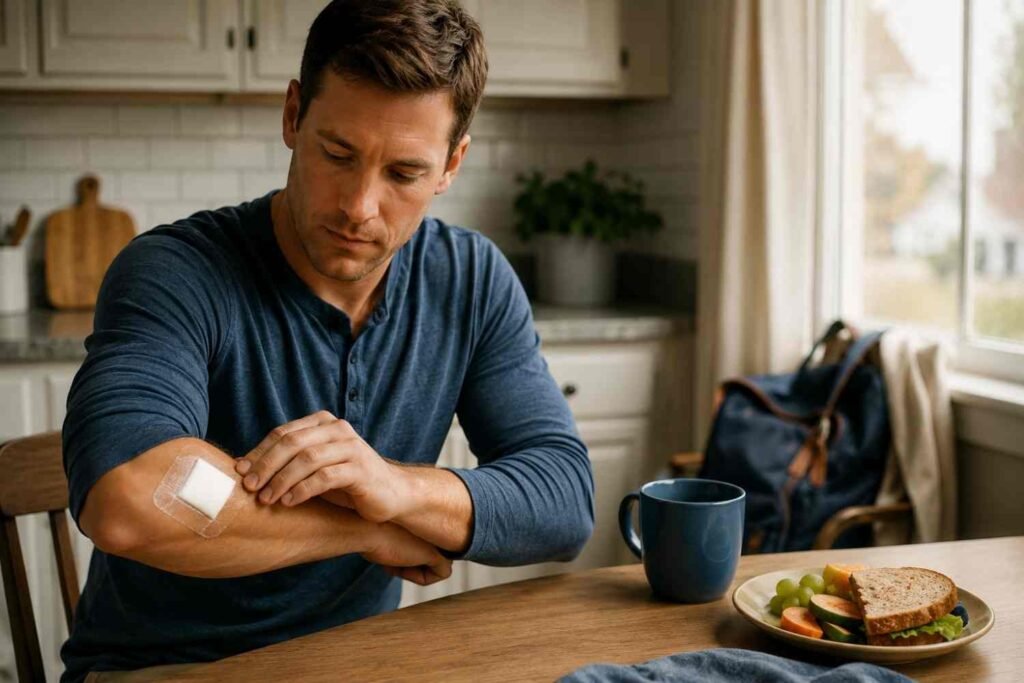
In recovery, small uncertainties tend to become big irritations. People notice the dressing every time they shower, bend, sweat, or change clothes. If they do not trust the barrier, they start checking it constantly. If they cannot tell whether it has been compromised, they may change it too often or not often enough.
That is where a waterproof bandage with visual alerting creates real value. It reduces the mental load of wound care. Instead of treating the dressing as a mystery, the user gets a clearer signal. Instead of assuming the seal held, they can verify it. And instead of pulling the bandage off just to look, they can wait until there is an actual reason to change it.
This is also where DrySee’s positioning makes sense. The company is not just selling cover material. It is offering visibly better protection, which is a more strategic promise because it addresses both physical exposure and user confidence.
The Real Value Is Confidence
A wound dressing earns trust when it performs under normal life, not only in perfect conditions. That is the deeper advantage of a waterproof bandage designed for everyday activities. It helps protect against water, dirt, and germs while giving the user a visible way to judge whether the seal still holds.
DrySee’s approach is especially useful because it does not rely on hidden assumptions. The liquid alert indicator, the transparent border, and the non-stick absorbent pad all support a more informed, less anxious routine. That is the kind of design that makes sense in real households, real recoveries, and real schedules.
In the end, the best wound protection is not the one you have to keep wondering about. It is the one that lets you move through the day with greater confidence, while still giving you clear evidence when it is time to replace it.
