

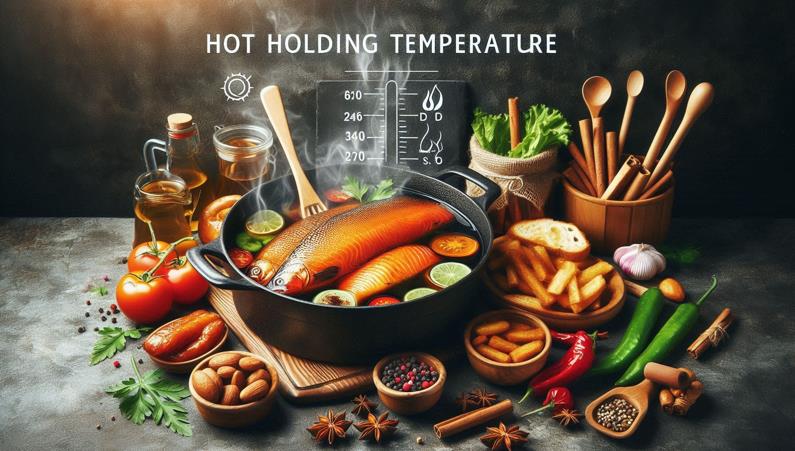
Hosting a buffet or preparing food for an event can be stressful, especially when you need to make sure the food stays safe, fresh, and hot.
One of the most important factors to consider is the hot holding temperature—you know, the temperature that keeps your food safe from harmful bacteria while preserving its taste and texture.
Trust me, I’ve learned this lesson the hard way, and I’m here to share the key things you need to know to make sure your food is always ready to impress.
Quick Takeaways
- Hot foods must be held at 135°F (57°C) or higher to stay safe and delicious.
- Always monitor food temperature every 2 hours to avoid bacteria growth.
- Reheat leftover food to 165°F (74°C) for at least 15 seconds.
- Don’t leave food in the danger zone (41°F to 135°F) for more than 2 hours.
- Use chafing dishes or slow cookers for best results in keeping food warm without drying out.
What’s the Right Hot Holding Temperature?
If you’re like me, you’ve probably thought about how long you can keep food warm at a party or event. It’s not as simple as just turning up the heat.
The magic number for most hot foods is 135°F (57°C). Keeping your food at this temperature (or higher) helps ensure that it’s both safe to eat and stays delicious.
Minimum Hot Holding Temperature: Is 135°F Enough?
The answer is yes, but here’s where it gets a little technical. The minimum safe temperature for hot food holding is 135°F (57°C), and it works for most foods like chicken strips, pasta, and mac and cheese.
But in some cases, if you’re aiming for a bit more safety (say, for something like jambalaya or fried shrimp), some experts might recommend 140°F (60°C).
I’ve found this out through trial and error—especially when I started serving foods like creamy mac and cheese at buffets. It wasn’t enough just to set it out on the table.
By the time I was serving, the temperature had dropped, and some of the texture was lost. Now, I make sure I stay within this range to keep food both safe and appealing.
How Do You Maintain Hot Holding Temperature?
Here’s where things can get tricky if you’re not prepared. You can’t just pop the food into a warming dish and forget about it. To keep food at the right temperature, you need the right setup and monitoring. Let’s go over the best practices.
Keep Food at the Right Temp: The Danger Zone Explained
Bacteria love the danger zone—the temperature range between 41°F (5°C) and 135°F (57°C). That’s when bacteria multiply like crazy.
So, if your food drops below 135°F for too long, you risk having harmful bacteria form, which is a real health concern.
One simple rule I follow is to get the food hot and keep it hot, but don’t leave it in the danger zone for more than 2 hours.
The longer food sits in that range, the greater the risk of spoilage. So I make sure I have a thermometer handy at all times—trust me, it’s saved me a few times.
How to Monitor Your Food’s Temperature
I used to rely on “feeling” whether food was warm enough, but that’s a risky game. Now, I’ve learned to trust the thermometer.
Every couple of hours, I check the temperature of whatever I’m holding hot, whether it’s in a slow cooker or chafing dish. A quick thermometer check ensures everything stays in the safe zone.
Quick Tip: Set an alarm on your phone to remind you to check the temperature, especially if you’re hosting a party. It keeps you on track without having to think about it all night!
Reheating Hot Food: The Right Way
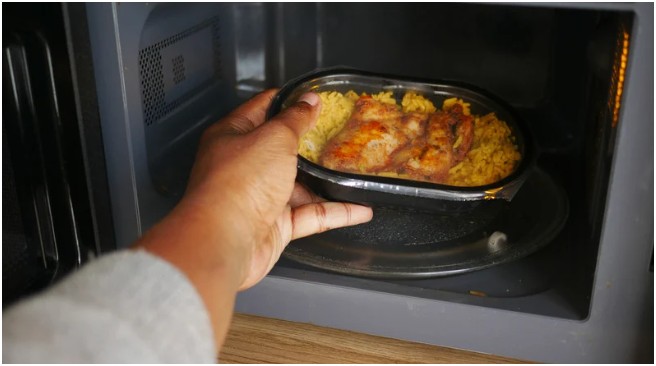
We all love leftovers, but reheating food properly is crucial for food safety. Just warming it up isn’t enough— you need to ensure it reaches the correct temperature.
How Hot Should Food Be Reheated?
For any leftover food, you should heat it to 165°F (74°C) for at least 15 seconds before returning it to a hot holding dish. I use this rule especially for things like mac and cheese, casseroles, and rice.
I make sure to stir everything to ensure the heat is distributed evenly. A hot spot here and there might be fine for some dishes, but for safety and quality, even heat is key.
Pro Tip: If you have a big batch, like chili or stew, consider dividing it into smaller portions to heat it more evenly. A big pot may take longer to heat all the way through, which could result in cold spots.
How Do You Keep Vegetables Hot?
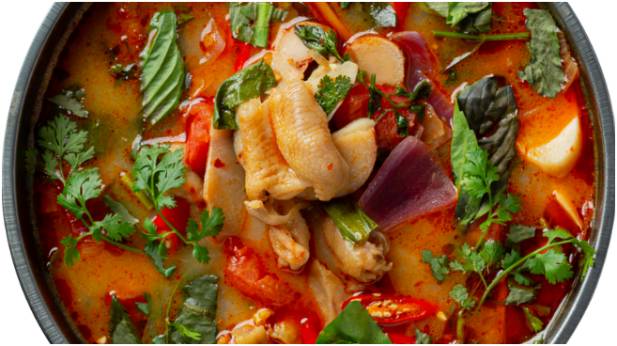
Vegetables can be tricky when it comes to hot holding, especially leafy greens and those that are delicate in texture.
But for most cooked vegetables, like green beans, you want to keep them at 135°F (57°C) or higher. Just like with other foods, make sure to check the temp and stir occasionally.
Best Equipment for Hot Holding
If you’re serious about hosting, it’s time to invest in a good set of tools to maintain hot temperatures.
- Slow Cookers: These are great for keeping food warm without drying it out. I love using them for soups or sauces.
- Chafing Dishes: Ideal for buffets, they allow the steam to keep everything at a steady temperature while letting guests serve themselves.
- Warming Trays: Perfect for keeping small portions of food warm without overcooking.
Each of these tools serves a different purpose, so think about the types of food you’re making and how long it’ll need to be held at that perfect temperature.
Quick Reference Table: Hot Holding and Reheating Guidelines
| Food Item | Hot Holding Temp | Reheat Temp | Time Limit for Holding |
| Chicken (all types) | 135°F (57°C) | 165°F (74°C) | 4 hours |
| Mac and Cheese | 135°F (57°C) | 165°F (74°C) | 4 hours |
| Fried Shrimp | 135°F (57°C) | 165°F (74°C) | 4 hours |
| Shredded Pork | 135°F (57°C) | 165°F (74°C) | 4 hours |
| Vegetables (e.g., green beans) | 135°F (57°C) | 165°F (74°C) | 4 hours |
| Pasta (e.g., Alfredo) | 135°F (57°C) | 165°F (74°C) | 4 hours |
| Rice | 135°F (57°C) | 165°F (74°C) | 4 hours |
| Eggs | 135°F (57°C) | 165°F (74°C) | 4 hours |
How to Prevent Hot Holding Equipment from Failing
I’ve had my share of equipment failures. One time, I relied too heavily on my slow cooker’s “warm” setting, and food ended up cooling down.
Now, I make sure I preheat my equipment before adding food. I also check the settings frequently, especially if I’m using different heat settings.
FAQs
1. What is the minimum temperature for hot holding food?
Hot foods must be held at 135°F (57°C) or higher to keep them safe and prevent bacterial growth.
2. How to keep food hot?
To keep food hot, use chafing dishes or slow cookers, cover food with lids, and check the temperature regularly to ensure it stays above 135°F.
3. What is the maximum time food can remain in the temperature danger zone?
Food can remain in the temperature danger zone (41°F to 135°F) for a maximum of 2 hours before it becomes unsafe.
4. What is the correct temperature and time used for reheating hot holding food?
Reheat hot foods to 165°F (74°C) for at least 15 seconds to ensure it’s safe to serve and can be returned to hot holding.
