

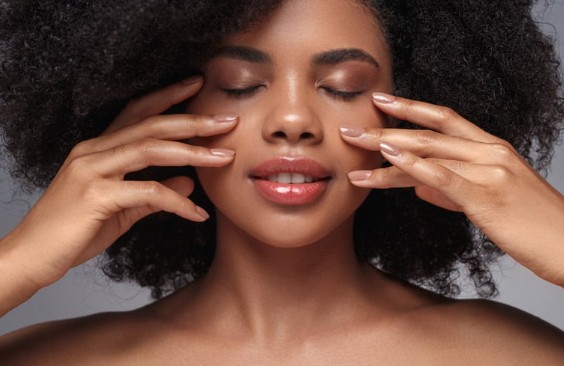
For years, the beauty industry has sold us on the idea that more is better. More steps, more active ingredients, and more exfoliation were touted as the only way to achieve that elusive, glowing complexion. We’ve been told to scrub away imperfections and peel our way to youthfulness. But recently, a shift has occurred. A growing number of dermatologists and estheticians are advocating for a “less is more” philosophy.
Understanding the Skin’s Natural Ecosystem
To understand why minimal intervention works, we first need to appreciate what the skin actually does. It is not merely a canvas for products; it is a complex, biologically active barrier designed to protect us.
The Barrier Function
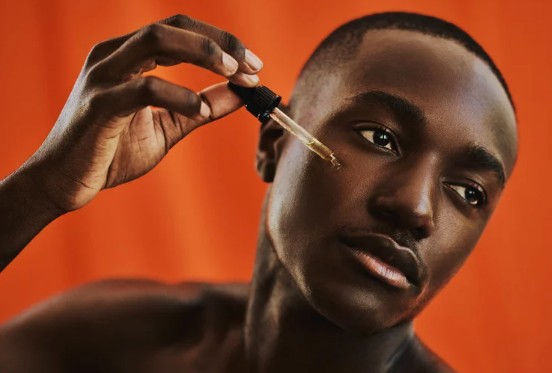
Think of your skin barrier, or the stratum corneum, as a brick-and-mortar wall. The skin cells are the bricks, and the lipids (oils) are the mortar holding them together. This barrier keeps essential moisture in and harmful bacteria or pollutants out. When we over-treat the skin, we chip away at this mortar, leaving the wall structurally unsound. A healthy barrier is the foundation of glowing skin.
The Microbiome
Just like your gut, your skin hosts a diverse community of billions of bacteria, fungi, and viruses known as the microbiome. This might sound unsettling, but these microorganisms are the peacekeepers of your skin health. They crowd out harmful pathogens, regulate pH levels, and educate the immune system. Aggressive scrubbing or sterilization disrupts this delicate ecosystem, potentially leading to conditions like acne, eczema, or rosacea.
Natural Moisturizing Factors (NMF)
Your skin is capable of hydrating itself to a certain degree. It produces a collection of substances called Natural Moisturizing Factors—including amino acids, urea, and lactic acid—that attract and hold water in the outer layer of the skin. A minimal intervention approach seeks to preserve these naturally occurring hydrants rather than stripping them away and trying to replace them with synthetic alternatives.
The Problem with Over-Exfoliation and Harsh Actives
The obsession with “glass skin” and poreless textures has driven many to reach for high-strength acids and retinoids. While these ingredients have their place, their overuse has created an epidemic of compromised skin barriers.
When we over-exfoliate, we remove not just dead skin cells, but also the protective lipid layer and the beneficial microbiome. This triggers a cycle of inflammation. The skin, feeling attacked, may overproduce oil to compensate for the dryness, leading to more breakouts. Alternatively, it may become red, tight, and sensitive—a condition known as “sensitized” skin.
Chronic inflammation is also a key driver of premature aging. By constantly putting the skin in a state of defense and repair, we deplete its resources. The immediate gratification of smooth, exfoliated skin often comes at the long-term cost of resilience and elasticity.
Must Read: Beauty Must-Dos Before Your Trip
Key Principles of Minimal Intervention Skincare
Adopting a minimal intervention mindset requires unlearning the urge to “attack” skin concerns. Instead, the focus shifts to gentle maintenance and protection.
Gentle Cleansing
The most common mistake in skincare is using a cleanser that is too harsh. If your face feels “squeaky clean” after washing, you have likely stripped your acid mantle. The goal of cleansing is to remove dirt, sunscreen, and makeup without disrupting the skin’s pH balance.

Opt for creamy, non-foaming cleansers or oil-based balms. These formulas bind to surface impurities and lift them away without dissolving the essential lipids your skin needs to function.
Hydration and Moisture
Because even gentle cleansing can remove some moisture, replenishing hydration is vital. However, you don’t need five different serums to do this. A minimalist approach focuses on ingredients that mimic the skin’s structure.
- Humectants: Ingredients like glycerin and hyaluronic acid draw water into the skin.
- Emollients: Lipids that smooth the skin cells and repair the barrier.
- Occlusives: Heavier agents that seal the moisture in, preventing evaporation (Transepidermal Water Loss).
Sun Protection
If there is one non-negotiable step in any skincare philosophy, it is sun protection. UV radiation is the primary external cause of skin damage and aging. A minimalist routine does not skimp here. Using a broad-spectrum sunscreen daily reduces the burden on your skin’s repair mechanisms, allowing it to focus on maintaining health rather than fixing sun damage.
Avoiding Irritants
Minimal intervention means eliminating unnecessary stressors. Fragrances (both synthetic and natural essential oils), drying alcohols, and abrasive physical scrubs often do more harm than good. By removing these potential irritants, you lower the overall inflammatory load on your skin, allowing it to function in a calm state.
Building a Minimalist Skincare Routine
Creating a routine based on minimal intervention doesn’t mean you can’t use effective products. It means choosing high-quality, multitasking products that support barrier health.
The Basic Routine
A streamlined routine usually consists of three steps in the morning and three in the evening:
Morning:
- Rinse or Gentle Cleanse: Some skin types only need a splash of water in the morning.
- Moisturize: Apply a barrier-supporting moisturizer.
- Protect: Apply SPF 30 or higher.
Evening:
- Cleanse: Thoroughly remove the day’s grime and sunscreen.
- Treat (Optional): If you have a specific concern like hyperpigmentation, use one targeted serum.
- Moisturize: Lock everything in.
Ingredients to Look For
When shopping, ignore the flashy marketing claims and turn the bottle around. Look for these bio-compatible ingredients:
- Ceramides: These are lipid molecules found naturally in high concentrations within cell membranes. They are crucial for holding skin cells together.
- Niacinamide (Vitamin B3): A powerhouse that strengthens the barrier, calms redness, and regulates oil production.
- Centella Asiatica: An herbal extract known for its profound soothing and healing properties.
Minimally Invasive Procedures

Sometimes, the skin needs a nudge that topical products cannot provide. In the spirit of minimal intervention, procedures like microneedling in Salt Lake City can be highly effective. Unlike chemical peels or lasers that might ablate (remove) the top layer of skin, microneedling creates microscopic channels to stimulate the body’s natural collagen production. This triggers a healing response from within, improving texture and firmness without stripping the epidermis or causing significant downtime.
Lifestyle Factors: Beauty from the Inside Out
Topical skincare is only half the equation. Since the skin is an organ, its health is a reflection of your internal well-being. A minimal intervention approach recognizes that you cannot out-moisturize a dehydrated body or out-soothe a stressed system.
Diet and the Gut-Skin Axis
What you eat influences your skin’s inflammation levels. High-sugar diets can lead to glycation, a process where sugar binds to collagen and weakens it. Conversely, a diet rich in omega-3 fatty acids (found in fish, walnuts, and flaxseeds) helps maintain the lipid membrane of skin cells.
Sleep and Stress
During deep sleep, your body enters repair mode, producing growth hormones that reconstruct damaged tissue. Chronic sleep deprivation disrupts this process. Similarly, high stress raises cortisol levels, which can increase oil production and inflammation, leading to breakouts. Prioritizing rest is one of the most effective skincare steps you can take.
Hydration
While drinking water won’t instantly erase wrinkles, systemic dehydration will leave skin looking dull and feeling tight. Adequate water intake supports blood flow, ensuring nutrients reach the skin cells efficiently.
Conclusion
We often treat our skin as a problem to solve, bombarding it with active ingredients. But the skin is intelligent and resilient. It knows how to shed dead cells, retain moisture, and heal—if we give it a chance. By adopting a philosophy of minimal intervention, you save time and money and cultivate a healthier, stronger barrier. The result is calm, resilient, and naturally radiant skin.
