

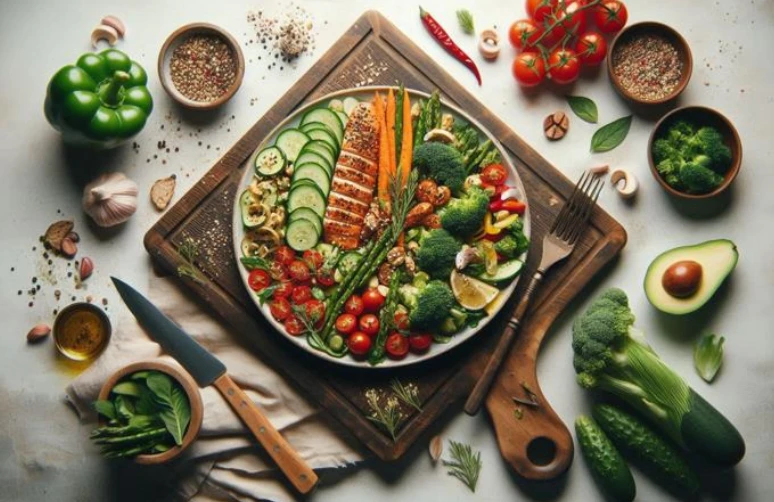
When it comes to food presentation, the placement of food on a plate is crucial in determining how a dish is perceived. The top of the plate where food is placed is called as the food contact surface or the plating area.
This concept is vital in both culinary arts and food safety, particularly in commercial kitchens, where the top of the plate where food is placed plays a significant role in the overall presentation and hygiene.
Importance of Food Presentation in Commercial Kitchens
In professional kitchens, food presentation isn’t just about making a dish look appealing—it also plays a significant role in customer experience. The top of the plate where food is placed serves as a focal point for how the dish is viewed and enjoyed. The food contact surface must be clean, well-arranged, and free of contaminants, ensuring both aesthetic value and food safety.
In commercial kitchens, chefs focus on using the top of the plate for maximum visual impact, carefully arranging the ingredients to showcase their culinary expertise. The food contact surface also ensures that the dish is served at the right temperature and in a way that meets health standards, thus enhancing both the taste and experience.
The Role of Plate Placement in Customer Experience
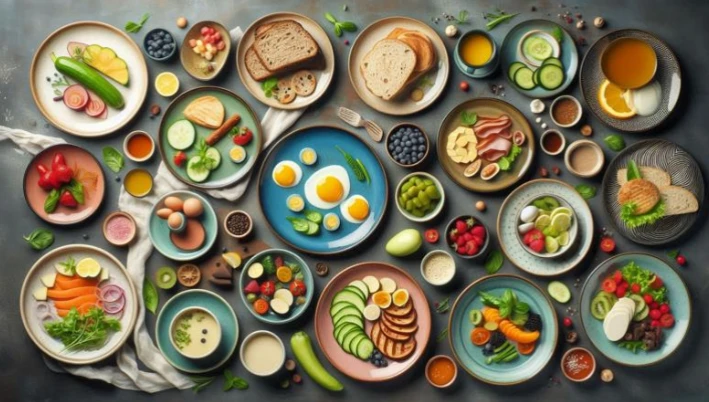
The way food is plated affects not only its appeal but also how it’s perceived in terms of quality. The top of the plate, where food is placed, is designed to highlight the most important elements of the dish.
A beautifully arranged plate can elevate the meal’s perceived value. By focusing on the food contact surface, chefs can create a dining experience that goes beyond taste alone.
Best Practices for Food Contact Surface
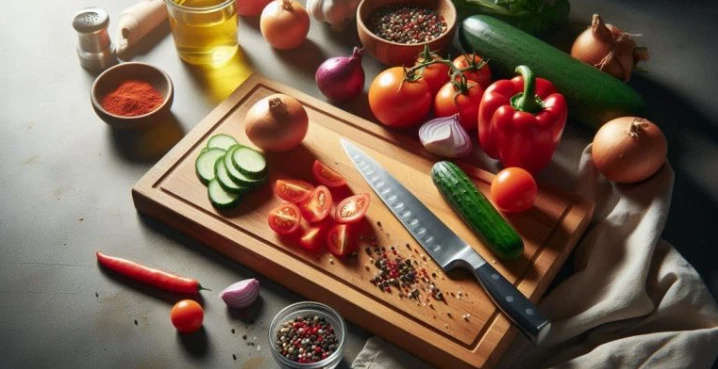
Chefs follow specific guidelines to cleaning and sanitizing of the food contact surface. Here are some key practices:
- Cleaning the Plate: Plates should be free from residue or smudges, ensuring the top of the plate where food is placed looks pristine.
- Maintaining Hygiene: The food contact surface must be sanitized properly to avoid contamination.
- Consistent Sizing: Plates should be consistently sized and shaped for uniform plating.
Food Plating Techniques for Enhancing the Dining Experience
Food plating techniques go beyond just placing food on the top of the plate where food is placed. The way food is arranged on the plate can have a significant impact on how the dish is perceived. Here are a few food plating techniques that are commonly used by chefs to create visually appealing dishes:
1. The “Golden Ratio” of Plating
One of the most important techniques in food plating is using the golden ratio, which involves creating a balanced, harmonious plate layout.
The food contact surface should be used in a way that leaves negative space around the food, allowing the eye to naturally focus on the dish. This balance of space and food helps to highlight the key elements of the meal.
2. Layering
Layering ingredients on the top of the plate adds depth to the presentation. By stacking or arranging components at different heights, the dish looks more dynamic and visually interesting. Food contact surfaces that feature various textures and layers can evoke a sense of elegance and complexity.
3. Color Contrast
One of the simplest ways to elevate food presentation is through color contrast. The top of the plate where food is placed can be used to create a striking visual appeal by placing vibrant vegetables or sauces against a neutral background.
Chefs often aim for complementary colors that enhance both the visual appeal and the perceived flavor of the dish.
4. Precision with Garnishes
Garnishes are used not just for decoration, but for enhancing the overall presentation. The placement of garnishes on the food contact surfaces can accentuate the theme of the dish, add texture, and bring out flavors.
A carefully placed garnish can elevate a dish from simple to extraordinary.
5. Symmetry and Asymmetry
Symmetry in plating brings a sense of order, while asymmetry creates a modern, artistic feel. Both techniques work well depending on the dish and the atmosphere of the restaurant. The top of the plate is often the canvas for this expression, where symmetry or asymmetry helps set the tone of the dish.
How Food Presentation Influences Perception in Restaurants
Food presentation is one of the first impressions diners have before tasting the dish. A well-plated dish signals professionalism and attention to detail. The top of the plate where food is placed is called the plating area, is where chefs make their mark.
It’s where the careful arrangement of ingredients creates an inviting visual experience for the diner. The impact of this goes beyond just looks—it affects how customers feel about the food’s quality and the restaurant as a whole.
Frequently Asked Questions
1. What should be done with dishware before washing it in a dishwasher?
Before washing dishware in a dishwasher, it is important to scrape off any leftover food and rinse the plates to remove large particles. This helps to prevent clogging the dishwasher and ensures that the food contact surface is cleaned properly, maintaining hygiene and food safety.
2. A food handler may eat in an area used for what?
A food handler may eat in an area designated for eating or a breakroom separate from food preparation areas. This ensures that the food contact surface in the kitchen remains uncontaminated and meets hygiene standards.
3. What food items need time and temperature control for safety?
Certain foods, including meats, poultry, dairy products, and cooked grains, need time and temperature control for safety (TCS) to prevent foodborne illnesses. These foods require proper handling and storage to ensure that they remain safe to eat, especially when placed on the top of the plate where food is placed for serving.
Final Thoughts: Enhancing the Art of Food Plating
Food presentation is an integral part of the dining experience, and understanding the food contact surface or plating area can elevate your appreciation of this art. In commercial kitchens, chefs focus on ensuring that the top of the plate where food is placed is used effectively to make dishes visually appealing while maintaining food safety.
Whether you’re a budding chef or simply someone interested in food presentation, mastering the concept of where to place food on the plate is a crucial skill.
