

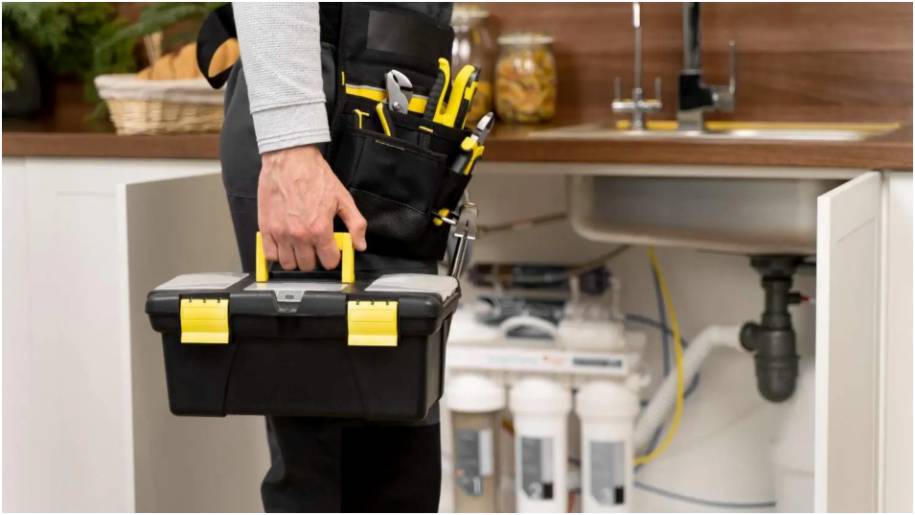
Maintaining a house requires consistent effort, but staying on top of seasonal tasks is crucial for preventing costly repairs and keeping your living space safe. Many homeowners wait for issues to arise before taking action. This guide breaks down the essential tasks you must perform each season to protect your investment, improve energy efficiency, and extend your home’s lifespan.
Spring Cleaning And Preparation
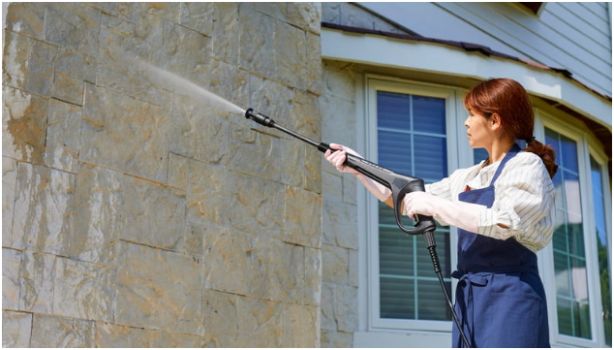
The arrival of spring brings warmer weather and an opportunity to assess any damage your property may have sustained during the harsh winter months. Taking the time to evaluate your home’s exterior and primary systems will set you up for a comfortable summer.
Exterior Inspections
Start your seasonal routine by walking around the perimeter of your house. Look closely at the foundation for any cracks or shifting that might have occurred due to freezing and thawing of the ground. Inspect your siding for signs of water damage, peeling paint, or warped materials.
You should also grab a pair of binoculars to check your roof from the ground, looking for missing, cracked, or sliding shingles. Addressing these minor exterior flaws early prevents significant water intrusion when heavy spring rains arrive.
HVAC System Tune-Up
Before the intense heat of summer hits, your air conditioning unit needs a thorough review. Start by replacing your indoor air filters to improve air quality and reduce strain on the blower motor. Head outside to clear away any leaves, twigs, or overgrown vegetation within two feet of the condenser unit.
Having a licensed technician perform a professional tune-up ensures the refrigerant levels are correct and that the HVAC, Plumbing, and electrical components are functioning safely.
Gutter And Downspout Care
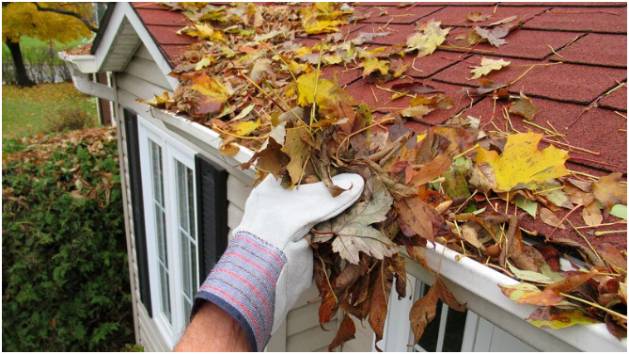
Spring showers require a fully functional drainage system to direct water away from your foundation. Remove all built-up debris, pine needles, and mud from your gutters. Flush the system with a garden hose to ensure water flows freely through the downspouts.
If you do not feel comfortable on a ladder, hiring professional gutter cleaning services in Ogden is an excellent way to safely ensure your drainage system operates at peak capacity. Check that all downspouts extend at least five feet from the base of your home.
Summer Safeguards And Upgrades
Summer provides ideal conditions for tackling outdoor improvement projects and ensuring your home runs efficiently with smart home upgrades for maximum everyday efficiency handles peak energy demands. Focusing on your outdoor living spaces and internal plumbing will keep your property in top condition.
Deck And Patio Maintenance
Your outdoor entertainment areas endure heavy foot traffic and intense ultraviolet radiation during the summer months. Inspect wooden decks for splintering boards, loose nails, and signs of structural rot.
Clean the surface thoroughly using a pressure washer on a low setting, then apply a fresh coat of waterproof sealant or stain. For concrete patios, fill any expanding cracks with masonry caulk to prevent weeds from taking root and causing further deterioration.
Appliance Checks
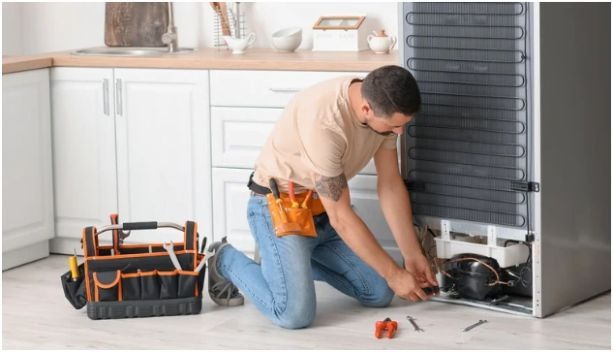
High temperatures force your appliances to work harder, making summer the perfect time for a maintenance check. Pull your refrigerator away from the wall and vacuum the condenser coils to improve its cooling efficiency.
Inspect the hoses connected to your washing machine and dishwasher for small bulges or tiny leaks. Replacing rubber hoses with braided steel alternatives offers superior protection against sudden bursts and extensive water damage.
Plumbing System Review
Increased water usage during the summer can stress your plumbing infrastructure. Check all under-sink cabinets for moisture and tighten any loose connections. Head out to the yard to test your irrigation system, looking for broken sprinkler heads or misaligned nozzles that spray water against your siding.
Monitor your monthly water bill closely, as an unexpected spike often indicates a hidden underground leak that requires immediate attention.
Autumnal Home Readiness
As temperatures begin to drop, your focus should shift toward winterizing your property. Preparing your home during the mild days of autumn ensures you remain warm and protected when freezing weather eventually arrives.
Winterizing Outdoor Features
Protect your outdoor plumbing from freezing temperatures by disconnecting all garden hoses, draining them completely, and storing them in a garage or shed. Shut off the interior water valves that supply your exterior spigots, then open the outside taps to drain any remaining water. Cover your patio furniture and store your lawnmower after running the engine until the fuel tank is empty.
Fireplace And Chimney Maintenance
A crackling fire provides wonderful warmth, but a neglected chimney poses a severe fire hazard. Hire a certified chimney sweep to remove creosote buildup, which is a highly combustible byproduct of burning wood. Inspect the masonry for crumbling mortar and verify that the chimney cap is securely in place to prevent birds and rodents from nesting inside the flue. Test the damper to ensure it opens and closes smoothly without sticking.
Draft Sealing And Insulation
Keep cold air out and warm air inside by sealing up the thermal envelope of your house. Hold a lit candle near window frames and door hinges to detect hidden drafts. Apply new weatherstripping around doors and use silicone caulk to seal gaps along window casings.
Head up to your attic to check the insulation depth, adding an extra layer of fiberglass batts or blown-in cellulose if the floor joists remain visible.
Winter Protection And Efficiency
Winter maintenance focuses on preventing catastrophic damage from freezing temperatures and ensuring your family remains safe during severe winter storms. Regular monitoring is the key to surviving the coldest months without incident.
Pipe Insulation And Prevention
Frozen pipes are one of the most destructive and expensive winter disasters a homeowner can face. Wrap exposed plumbing lines in unheated areas, such as basements, crawl spaces, and garages, with foam pipe insulation sleeves.
During periods of extreme cold, open your kitchen and bathroom cabinet doors to allow warm air to circulate around the pipes. Let your faucets drip very slightly, as moving water is far less likely to freeze solid.
Emergency Preparedness
Winter storms can cause prolonged power outages and isolate your family for days. Test all smoke detectors and carbon monoxide alarms, installing fresh batteries in every unit. Inspect your fire extinguishers to ensure the pressure gauge reads in the green zone.
Assemble an emergency kit that includes flashlights, extra batteries, bottled water, non-perishable food, and heavy blankets. If you own a portable generator, run it briefly to verify it operates smoothly.
Indoor Air Quality Management
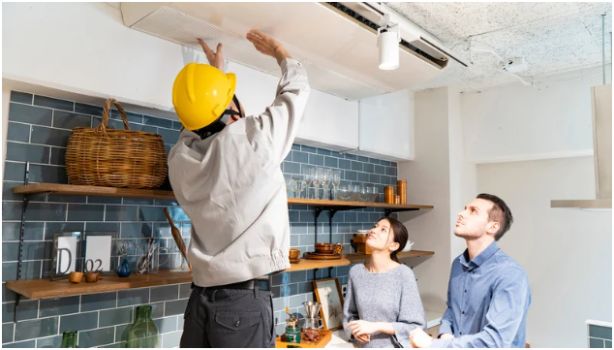
Because windows stay tightly closed throughout the winter, indoor air can quickly become stale and polluted. Run bathroom and kitchen exhaust fans to reduce excess moisture and prevent mold growth.
Clean the blades of your ceiling fans and switch their rotation to clockwise, which gently pushes warm air down into the living space. Consider running a portable humidifier to combat the dry indoor air that causes itchy skin and respiratory irritation.
Conclusion
Adhering to a seasonal home maintenance schedule is a smart investment in the longevity and value of your property. By systematically addressing tasks unique to each season, you effectively mitigate potential problems and enhance your home’s energy efficiency.
Proactive care saves you money on emergency repairs. Embrace these essential tasks to ensure your home remains comfortable and secure through every changing season, allowing you to focus on enjoying your beautiful living space.
