

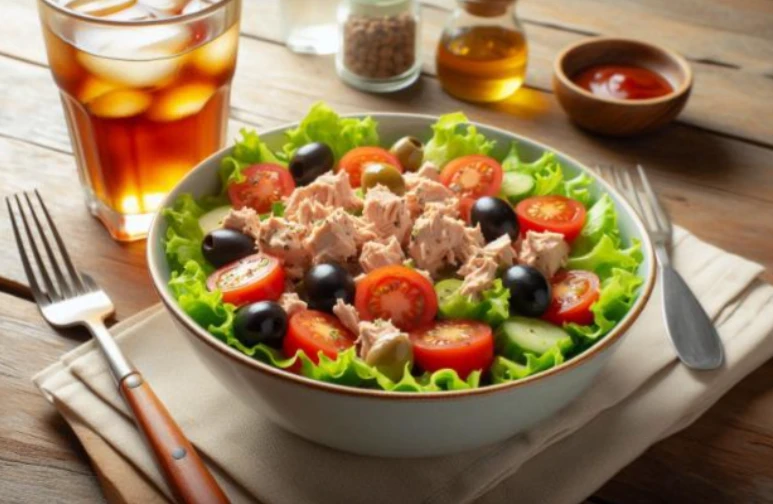
Cold holding temperature plays a pivotal role in food safety, especially when it comes to perishable foods like tuna salad. Knowing what is the highest temperature allowed for cold holding tuna salad is crucial to prevent bacterial growth and foodborne illness.
The maximum cold holding temperature for tuna salad must be 41°F (5°C) or lower. In this guide, we’ll explain why storing your tuna salad at the right temperature is important, why food safety regulations matter, and the best practices for keeping your food safe from cross contamination.
Key Takeaways:
- The highest temperature allowed for cold holding tuna salad is 41°F (5°C) or lower.
- Proper cold food storage prevents harmful bacteria growth and ensures food safety.
- Learn best practices for cold holding and handling tuna salad to avoid foodborne illness.
Why Cold Holding Temperature Matters for Tuna Salad

When preparing perishable foods like tuna salad, temperature control is key. Cold holding refers to the practice of storing food at temperatures that slow down or prevent bacterial contamination.
The danger zone for food safety, as defined by the FDA and USDA, is between 41°F (5°C) and 135°F (57°C). When food like tuna salad falls within this range, bacteria can grow rapidly, leading to potential health risks.
Food safety regulations require that cold foods such as tuna salad are stored at 41°F (5°C) or lower. Storing food at a higher temperature—especially during transport or at a buffet—can expose your guests to harmful bacteria like Salmonella, Listeria, and E. coli. To keep your tuna salad fresh and safe, it’s essential to know what is the highest temperature allowed for cold holding tuna salad and how to maintain it properly.
What is the Highest Temperature Allowed for Cold Holding Tuna Salad?
What is the highest temperature allowed for cold holding tuna salad? The answer is 41°F (5°C) or lower. By keeping the temperature at or below this threshold, you significantly reduce the risk of bacterial growth and ensure that your tuna salad remains safe for consumption.
Why 41°F (5°C) is the Safe Temperature
At 41°F (5°C), the growth of bacteria is significantly slowed, which is crucial for maintaining the safety and quality of the tuna salad. Any temperature above this can quickly put your food in the danger zone, allowing bacteria to multiply and potentially lead to foodborne illness.
Temperature Guidelines for Different Foods
The FDA cold holding guidelines recommend that perishable items like tuna salad, deli meats, and seafood be stored at or below 41°F (5°C). For foods like fruits and vegetables, the recommended cold holding temperature is typically 40°F (4°C) to maintain freshness.
Best Practices for Cold Holding Tuna Salad
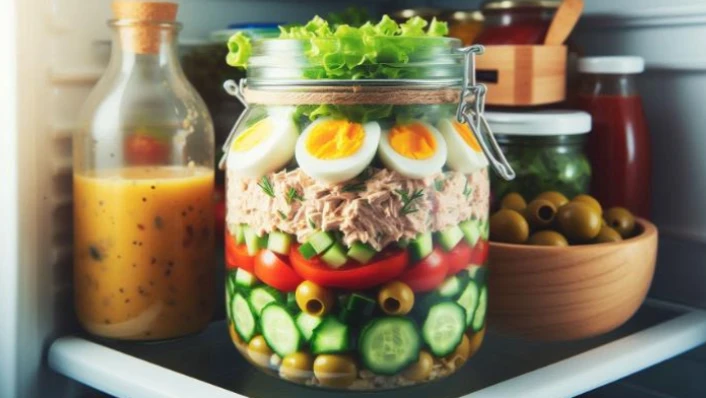
Ensuring your tuna salad stays at the optimal cold holding temperature isn’t just about refrigeration; it involves the right storage methods and monitoring practices.
1. Regular Temperature Monitoring
To ensure your tuna salad stays below 41°F (5°C), use a reliable food thermometer to monitor the temperature. Regular checks during storage, especially in commercial settings, are essential for staying within food safety regulations.
2. Proper Storage Containers
Use airtight containers or insulated coolers to maintain a steady temperature and minimize exposure to fluctuating air temperatures. Insulated containers are particularly helpful during transport or buffet service to keep the tuna salad safely stored.
3. Ice Baths and Cold Packs
If serving tuna salad at events or buffets, consider using ice baths or cold packs beneath your serving trays. This method helps keep the salad below 41°F (5°C), maintaining its safety and quality throughout the event.
4. Store in the Refrigerator or Cold Room
For storage in a commercial or home kitchen, always keep tuna salad in a refrigerator set to 41°F (5°C) or lower. Ensure your refrigerator is well-maintained, and regularly check its internal temperature.
Cold Holding Temperature Guidelines for Different Foods
While tuna salad requires a cold holding temperature of 41°F (5°C), it’s important to understand that different foods have their own ideal storage temperatures to prevent bacterial growth and spoilage.
- Tuna salad (and similar salads): 41°F (5°C) or lower.
- Raw seafood and meats: 41°F (5°C) or lower.
- Fruits and vegetables: 40°F (4°C) or lower for optimal freshness.
- Deli meats: 41°F (5°C) or lower.
Understanding these guidelines helps you store a variety of foods properly, reducing the risk of illness and ensuring everything stays fresh for consumption.
Consequences of Improper Cold Holding of Tuna Salad
Improperly storing tuna salad at temperatures above the highest temperature allowed for cold holding tuna salad can have serious consequences.
1. Increased Risk of Foodborne Illness
If tuna salad is stored in the danger zone (41°F to 135°F), harmful bacteria like Salmonella and Listeria can rapidly grow. This increases the risk of foodborne illness and can lead to symptoms like nausea, vomiting, and diarrhea.
2. Health Department Fines
In commercial food operations, failing to adhere to cold food storage guidelines could result in fines, health department violations, or even temporary shutdowns. Ensuring proper temperature control is critical for compliance with food safety regulations.
3. Decreased Shelf Life and Quality
Apart from food safety concerns, improperly stored tuna salad can spoil more quickly, losing its flavor and texture. Cold storage helps extend shelf life and keeps the tuna salad fresh for longer periods.
How to Maintain Proper Cold Holding for Tuna Salad

To maintain proper cold food storage, follow these steps:
- Invest in reliable refrigeration: Ensure that your refrigerator is capable of maintaining a constant temperature of 41°F (5°C).
- Check temperature regularly: Use a food thermometer to confirm that your tuna salad is being kept at the proper temperature.
- Use high-quality insulated containers: For off-site events or when transporting tuna salad, insulated containers and coolers help maintain the safe temperature.
- Keep cold food on ice at events: If serving at an event, use ice baths or cold packs under serving trays to keep the tuna salad chilled.
By adhering to these best practices, you can safely store and serve tuna salad without the risk of bacterial growth.
FAQs
1. What is the highest temperature allowed for cold holding tuna salad?
Cold holding temperature for tuna salad should be at or below 41°F (5°C). Any higher temperature may lead to bacterial growth and foodborne illness.
2. What temperature should tuna salad be stored at?
Tuna salad should be stored at 41°F (5°C) or lower to ensure it remains safe for consumption and free from harmful bacteria.
3. What is the maximum cold holding temperature for tuna salad?
The maximum cold holding temperature for tuna salad is 41°F (5°C). Temperatures above this can allow bacteria to grow, increasing the risk of foodborne illness.
4. Cold foods must be held at what temperature to stay out of the danger zone?
Cold foods, including tuna salad, must be held at or below 41°F (5°C) to avoid entering the danger zone (41°F to 135°F), where bacteria thrive.
5. At what temperature does bacterial growth slow in cold-held foods like tuna salad?
Bacterial growth slows at temperatures below 41°F (5°C), which is why it’s crucial to store tuna salad and other perishable foods at this temperature or lower.
Keep Your Tuna Salad Safe with Proper Cold Holding
Knowing what is the highest temperature allowed for cold holding tuna salad is essential for maintaining food safety.
By following the FDA cold holding guidelines and ensuring your tuna salad is stored at 41°F (5°C) or lower, you’ll protect your guests from foodborne illnesses and keep your food fresh for longer.
Regular temperature monitoring and proper storage techniques are essential to ensure food safety, whether you’re cooking at home or running a food business.
