

Maintaining optimal oral health requires more than just a quick brush in the morning. It demands a consistent, structured approach to daily hygiene, paired with mindful lifestyle choices.
A robust oral care routine serves as your primary defense against common issues like cavities, gum disease, and tooth sensitivity, ensuring a vibrant, healthy smile for years to come. Understanding the fundamental pillars of dental maintenance is the first step toward safeguarding your teeth and gums.
The Cornerstones of Daily Hygiene
The effectiveness of your daily routine hinges on four core practices: brushing, flossing, rinsing, and diet. Each component plays a unique and essential role in keeping your mouth clean and resilient.
Brushing Mechanics
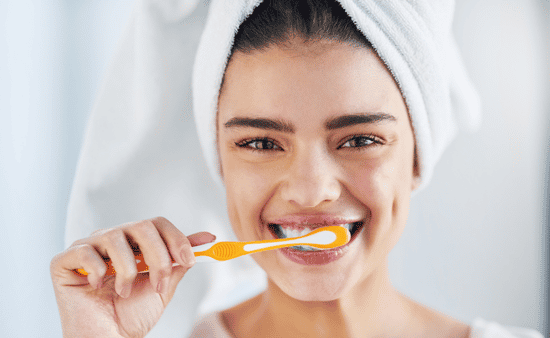
Proper brushing is about technique, not just effort. Use a soft-bristled brush and fluoride toothpaste. Hold the brush at a 45-degree angle to the gums and employ gentle, short, circular strokes. Focus on every surface of every tooth, including the chewing surfaces and the back side of your front teeth.
A complete session should last two full minutes and be performed twice daily. Replacing your toothbrush every three to four months, or sooner if the bristles fray, ensures maximum cleaning efficacy.
The Indispensable Role of Flossing
Brushing alone only cleans about 60% of your tooth surfaces. The tight spaces between teeth and beneath the gumline are breeding grounds for plaque and bacteria, which can lead to periodontal problems. Flossing is non-negotiable for reaching these critical areas.
Use about 18 inches of floss, winding most of it around one middle finger and a small amount around the other. Gently slide the floss between your teeth and curve it into a “C” shape against one tooth. Slide it up and down, cleaning both sides of each tooth, making sure to go slightly below the gumline.
Diet, Hydration, and Oral Wellness
What you consume has a profound impact on your mouth’s ecosystem. As part of what your oral health reveals about your wellness, the foods and drinks you choose can directly affect both dental health and overall well-being.
Bacteria thrive on sugars and starches, producing acids that erode tooth enamel. Limiting the intake of sugary beverages and acidic foods, such as citrus and carbonated drinks, is crucial for maintaining a healthy mouth and body.
Hydration is equally vital. Water naturally helps wash away food particles and neutralize acids. Furthermore, it stimulates saliva production, which is your body’s built-in defense mechanism. Saliva contains minerals that help repair the early stages of tooth decay and keeps the mouth moist, preventing dry mouth, which often contributes to tooth decay and bad breath.
Recognizing and Preventing Erosion
Enamel is the hardest substance in the body, but it is susceptible to acid erosion. This erosion weakens teeth, making them more vulnerable to sensitivity and chipping. Beyond dietary choices, factors like excessive brushing force or using abrasive pastes can damage enamel.
If you grind your teeth at night, a protective nightguard recommended by a dental professional can significantly reduce the physical stress on your teeth and preserve the enamel layer.
Maintaining a full set of teeth is critical for proper bite alignment and function; for those who have experienced tooth loss, restoring a complete smile is paramount, which is why some individuals seek out options like affordable dental implants in Palestine TX to restore structural integrity and aesthetics.
The Importance of Professional Checkups
These visits typically involve removing hardened plaque, or calculus, which cannot be removed through standard brushing and flossing. They also provide comprehensive screenings for conditions such as oral cancer and advanced gum disease.
Most adults should schedule a checkup every six months. However, if you have a history of periodontal disease or other chronic oral issues, your dentist may recommend more frequent visits.
These appointments are essential opportunities to discuss any concerns, from cosmetic preferences to sudden sensitivity, and receive tailored advice for improving your home care practices. Ultimately, taking a proactive, comprehensive approach to oral care ensures that your smile remains healthy, functional, and aesthetically pleasing throughout your life.
