

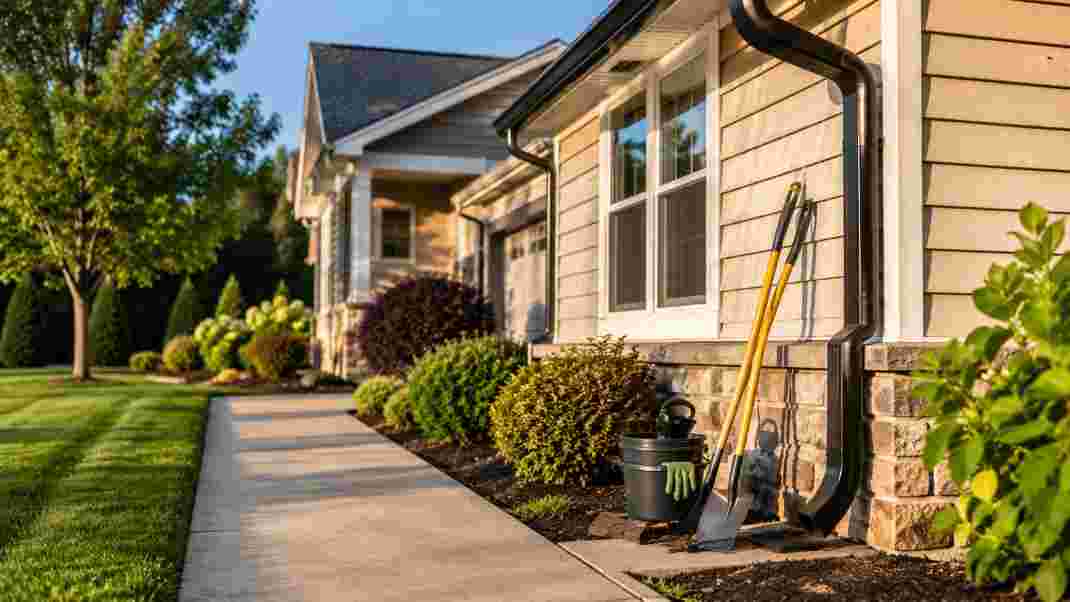
Purchasing a home is one of the most significant financial investments an individual will make in their lifetime. For first-time buyers, the initial transition from renting to owning brings a tremendous sense of pride and stability.
However, homeownership also introduces a brand-new set of responsibilities. Unlike a rental property, where a quick call to a landlord resolves a leaky pipe or an electrical glitch, you are now entirely responsible for the structural integrity and mechanical safety of your building.
Many new homeowners operate under a reactive mindset, meaning they wait for a major appliance to stop working or a pipe to burst before taking action. This approach is incredibly stressful and financially draining. Embracing a proactive, preventative philosophy is the secret to successful home preservation.
By executing simple, routine inspections and minor repairs, you can stop small issues from escalating into expensive structural disasters, keeping your property safe and functional for years to come.
Purchasing a home becomes easier to manage when you follow simple seasonal home maintenance tasks that help protect your property from costly repairs year-round.
Managing Your Home Exterior and Water Deflection Systems
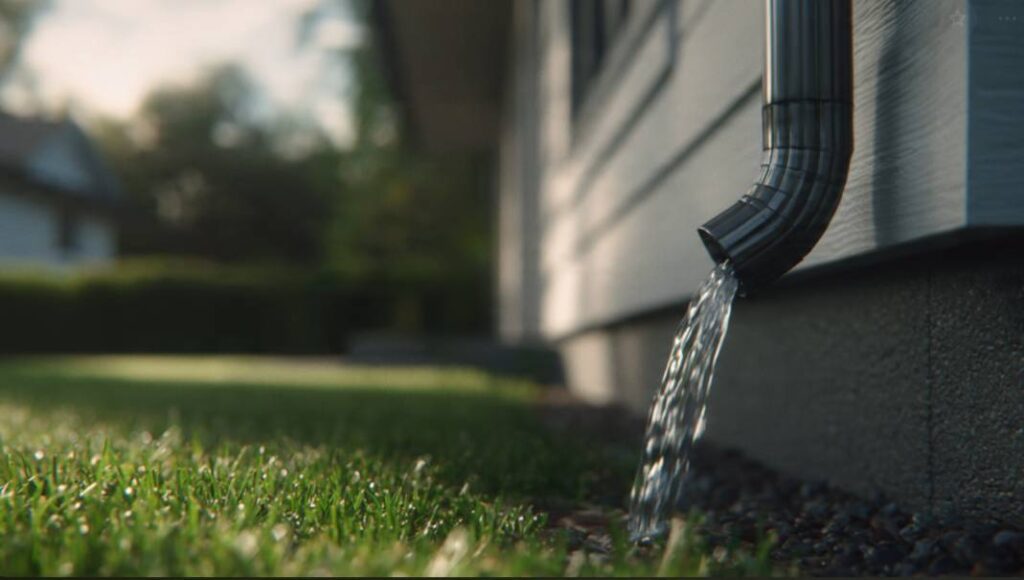
Water is a home’s greatest enemy. When moisture penetrates the exterior envelope of a building, it causes rot, encourages toxic mold growth, and compromises the foundation.
Seasonal upkeep also becomes easier when you follow a clear checklist of seasonal home maintenance tasks that helps you plan exterior inspections, water drainage checks, and routine repairs before problems become costly.
Gutter Clearing and Downspout Inspections
Your gutters are designed to collect rainwater from the roof and funnel it safely away from the base of your house. Throughout the year, leaves, twigs, pine needles, and roofing granules accumulate in these channels, forming thick blockages.
When it rains, water overflows the sides of the gutters, cascading down your siding and pooling directly against your foundation wall. Clean your gutters at least twice a year, ideally in the spring and late autumn, to ensure water flows completely unobstructed.
Assessing the Roof and Foundation Grading
You do not need to climb onto your roof to inspect its condition. Walk around your yard with a pair of binoculars after a major storm to scan for missing, cracked, or curling shingles. Additionally, inspect the soil line around the exterior perimeter of your house.
The ground should slope gently away from your foundation at a minimum angle of six inches over a ten-foot distance. If the soil has settled, creating a depression next to the basement wall, fill it in with compacted topsoil to prevent water accumulation.
Maintaining Internal Climate Controls and Air Quality
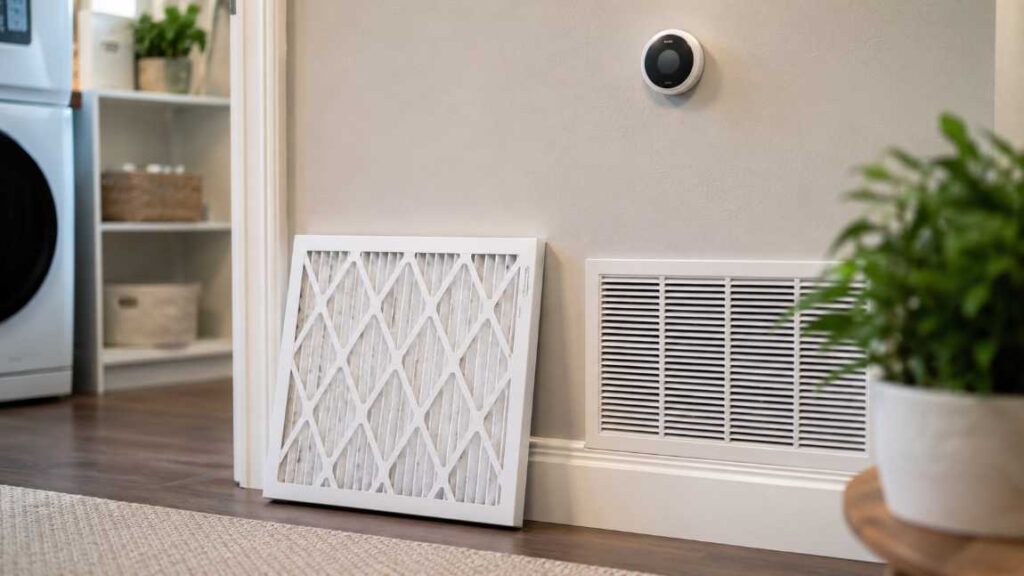
Your heating, ventilation, and air conditioning systems work continuously to keep your home comfortable, but they require regular maintenance to operate efficiently.
Improving airflow, replacing filters, and using energy wisely can also support reducing households carbon footprint while keeping your home comfortable and efficient throughout the year.
Changing Air Filters Consistently
The simplest and most vital HVAC maintenance task is replacing the furnace air filter. Over time, these fiber mesh screens trap dust, pet dander, pollen, and lint. A heavily clogged filter chokes the system, forcing the fan motor to work significantly harder to pull air through the house.
This extra strain drives up your monthly utility bills and leads to premature mechanical failure. Check your filter every thirty days, and replace it promptly if it looks gray and choked with dust.
Testing Safety Alarms and Monitors
Preventative care also involves protecting human life from invisible household hazards. Smoke detectors and carbon monoxide alarms should be tested monthly using the physical test buttons on the faceplates. Replace the batteries in these safety units annually, even if they are not chirping, and check the expiration dates on the back of the devices, as most sensors have an operational lifespan of roughly ten years.
Caring for Utility Areas and Concrete Surfaces
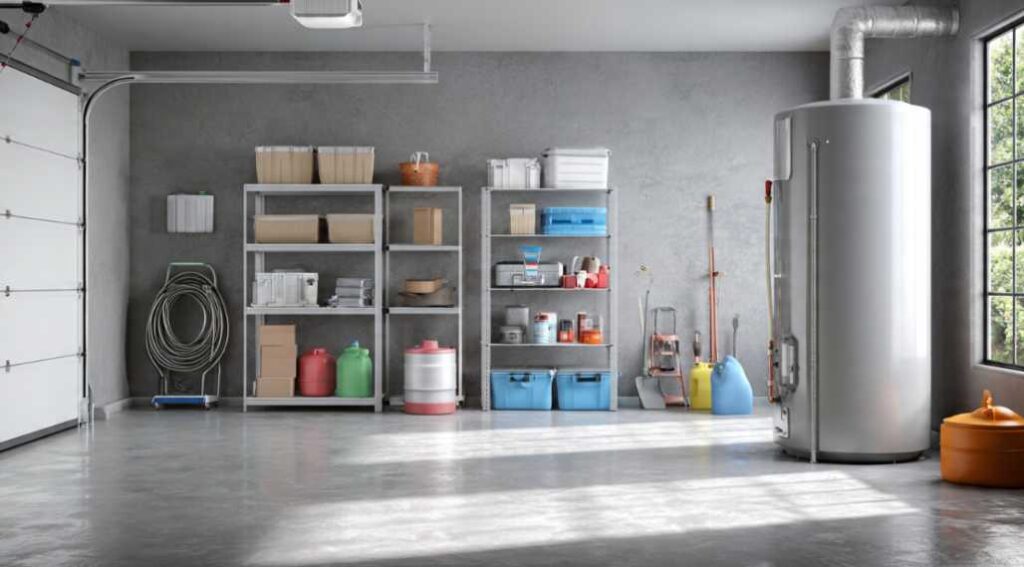
Utility zones like basements, utility closets, and attached workspaces handle a massive amount of physical wear and tear and require dedicated attention.
Flushing the Water Heater
Over the years, dissolved minerals and sediment settle to the bottom of your water heater tank. This thick layer of debris creates a barrier between the heating element and the water, forcing the unit to consume more energy to heat the tank.
This buildup can also cause the metal bottom to overheat and weaken over time. Attach a standard garden hose to the drain valve near the bottom of the tank and flush out several gallons of water annually until the liquid runs completely clear.
Sealing Vulnerable Ground Substrates
The floor of your utility and parking spaces endures severe stress from heavy vehicles, foot traffic, oil leaks, and winter de-icing chemicals. Unprotected concrete absorbs these substances easily, leading to deep cracking, scaling, and cosmetic staining.
Applying a high-performance protective coating shields the concrete from chemical damage and makes cleanups effortless.
For homeowners living in mountainous regions that experience heavy snow and road salt runoff, investing in professional garage floor finishing in Salt Lake City creates a non-porous, industrial-strength barrier that seals out destructive moisture and dramatically enhances the resale value of the property.
By breaking these essential tasks down into manageable seasonal checklists, preventative maintenance transforms from an overwhelming chore into a simple, routine habit that protects your wallet and keeps your household running smoothly.
