

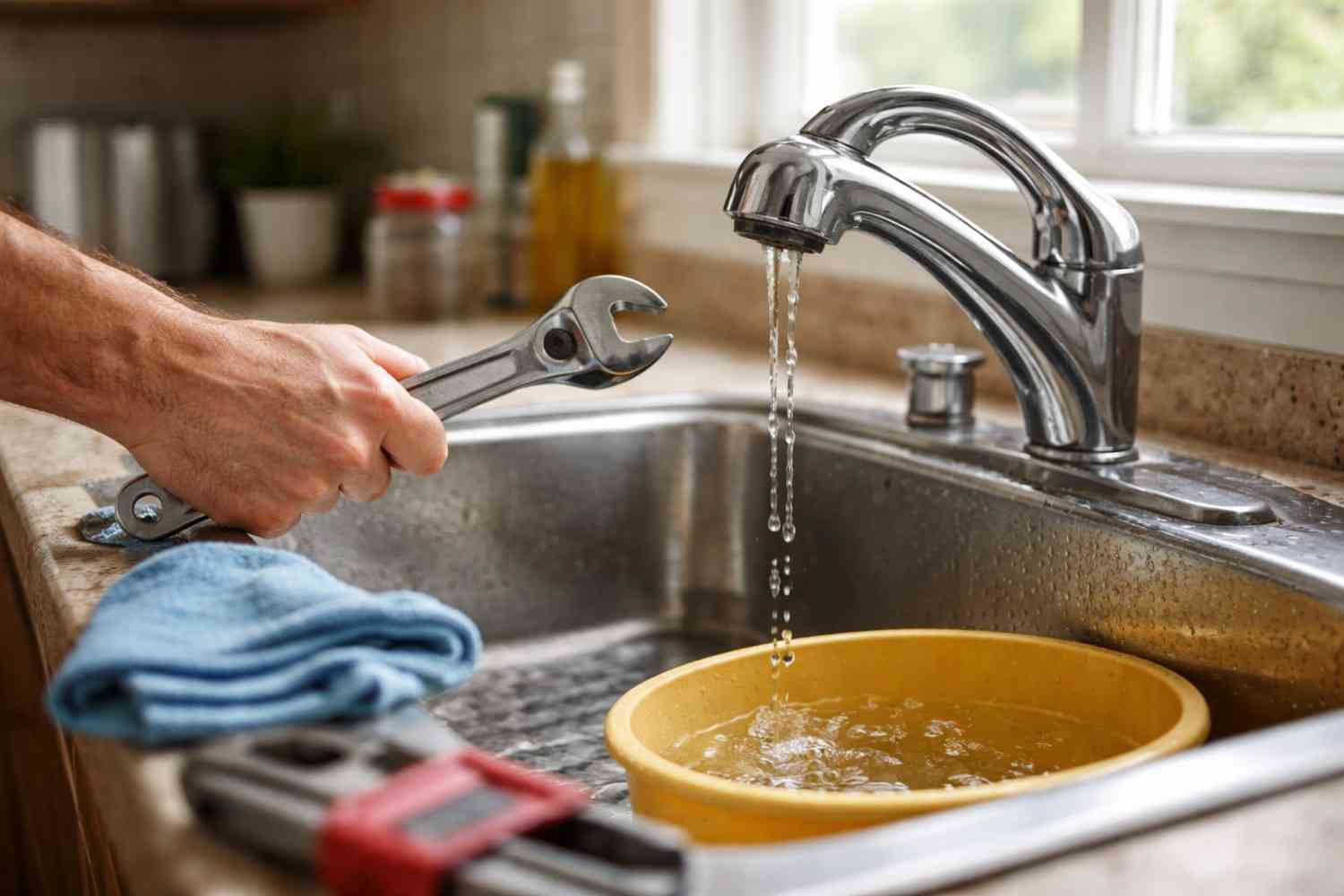
Water is a fundamental necessity for any household, yet many homeowners take a consistent, clean water supply for granted until the tap runs dry or the pressure drops. Understanding what disrupts your water flow is the first step toward finding a lasting solution. This guide outlines the seven most common causes of water supply problems and offers practical advice to help you identify, troubleshoot, and resolve them.
1. Aging Pipes and Infrastructure
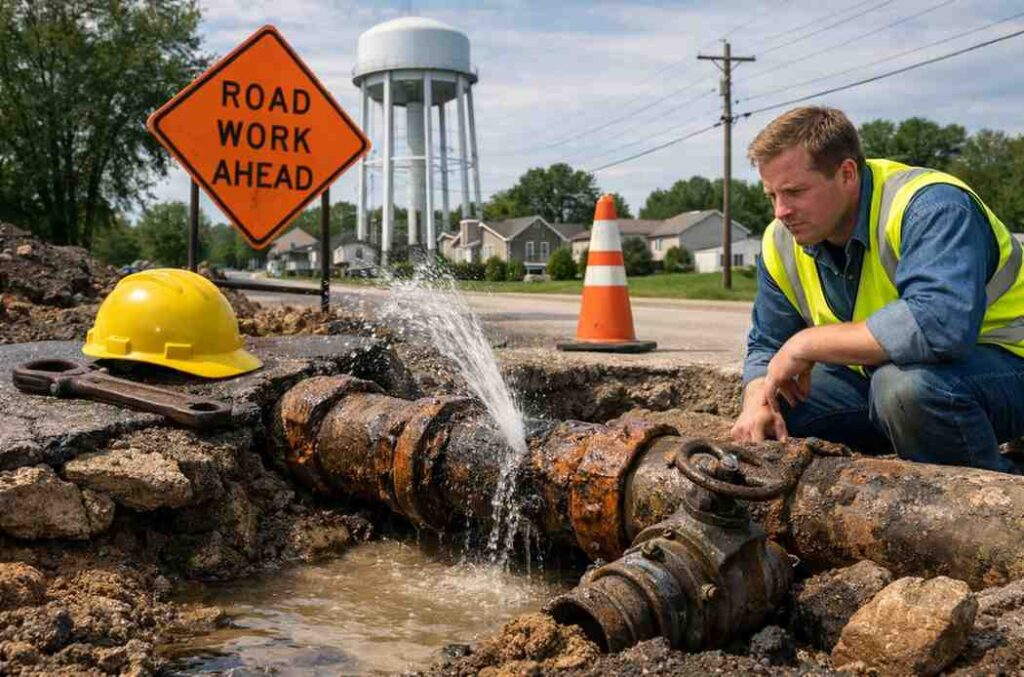
One of the leading culprits behind water supply issues is outdated plumbing infrastructure. Many older homes still rely on galvanized steel or cast-iron pipes, which are highly susceptible to corrosion and rust over decades of use. As pipes corrode from the inside out, the buildup restricts water flow, resulting in a noticeable drop in water pressure. According to housing data, homes built before the 1980s are particularly vulnerable to this type of degradation.
Tip: If you live in an older property and experience consistently low water pressure or discolored water, have a professional inspect your plumbing. Replacing sections of heavily corroded piping with modern materials such as copper or PEX can significantly improve your water supply.
2. Mineral Buildup and Scaling
Hard water is a widespread issue across many regions, containing high levels of calcium and magnesium. When hard water flows through your home’s plumbing system, it leaves behind mineral deposits known as scale. Over time, this scaling accumulates inside pipes, faucets, and water heaters, narrowing the flow path. This not only reduces water pressure but can also cause extensive damage to household appliances and kitchen problems.
Tip: Installing a whole-house water softening system can prevent mineral buildup. For immediate relief at the tap, remove the aerators from your faucets and showerheads, then soak them in white vinegar overnight to dissolve existing mineral deposits.
3. Leaks in the Plumbing System
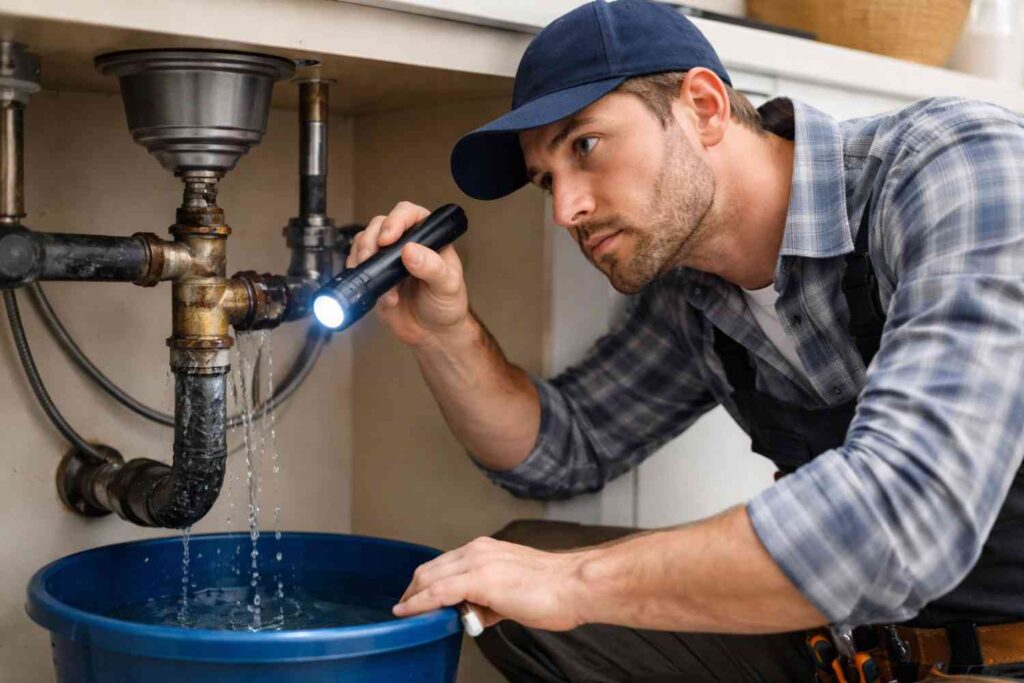
A hidden leak within your plumbing system can silently drain your water supply and diminish the pressure reaching your fixtures. Leaks can occur anywhere, from the main water line buried in your yard to the smaller pipes hidden behind your walls. Aside from reducing water pressure, untreated leaks can lead to severe structural damage, mold growth, and unusually high utility bills.
Tip: To check for hidden leaks, turn off all water fixtures in your home and check your water meter. If the dial continues to move, you likely leak. Routinely inspect the areas under your sinks, around your water heater, and near your toilets for any signs of moisture.
4. Municipal Water Supply Issues
Sometimes the problem does not originate on your property. Municipal water suppliers occasionally experience system-wide issues that affect entire neighborhoods. Water main breaks, routine system flushes, maintenance work, water in the wash sink, or high-demand periods (such as hot summer days when irrigation systems are running) can temporarily reduce your water pressure or completely shut off the supply.
Tip: Before calling a plumber, check with your neighbors to see if they are experiencing similar issues. You can also visit your local water utility company’s website or social media channels for announcements regarding ongoing maintenance or outages in your area.
5. Failing Well Equipment
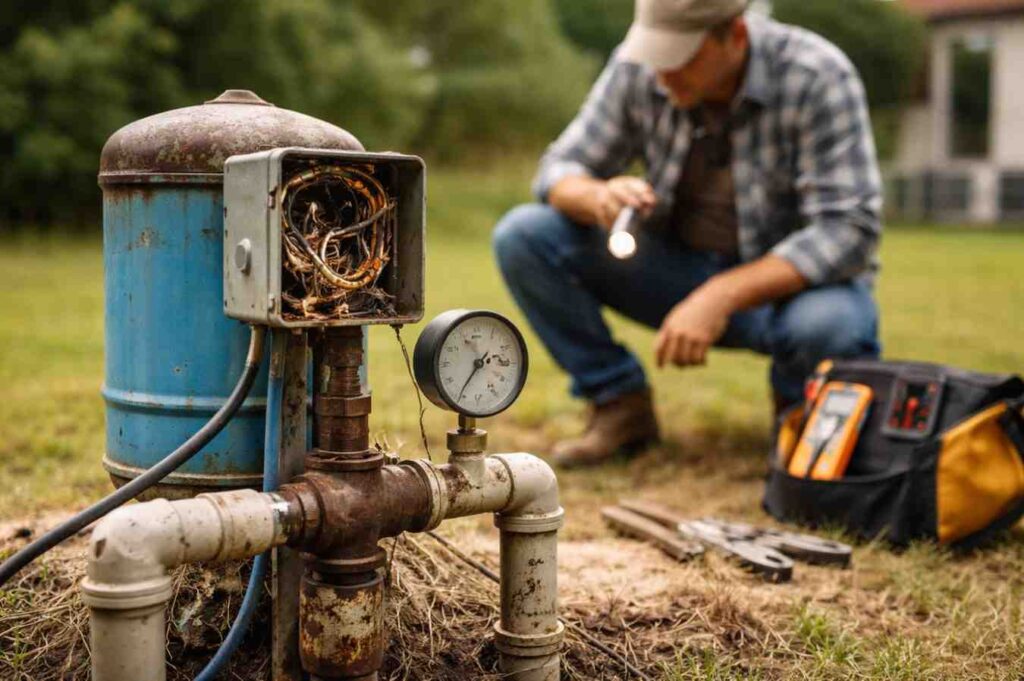
For households that rely on private wells rather than municipal water, the supply depends entirely on the well system’s functionality. The well pump draws water from the ground and pushes it into your home’s pressure tank. When these mechanical components fail due to age, electrical issues, or wear and tear, your water supply will suffer immediately. Ensuring that equipment such as well pumps in Utah or your local area is functioning properly is essential for rural and semi-rural properties.
Tip: Pay attention to warning signs such as sputtering faucets, unusually high electric bills, or strange noises coming from your pressure tank. Annual maintenance by a certified well technician can prevent sudden breakdowns and extend the lifespan of your pumping equipment.
6. Tree Root Intrusion
It might be surprising, but the trees in your yard can pose a significant threat to your underground water lines. Tree roots naturally seek out moisture, and a tiny fissure or loose joint in an underground pipe is an inviting source of water. Once roots infiltrate a pipe, they can grow rapidly, causing severe blockages and even crushing the pipe entirely. This results in a sudden and severe drop in water pressure entering your home.
Tip: Be mindful of where you plant large trees or shrubs in relation to your main water and sewer lines. If you suspect root intrusion, a plumber can use a specialized camera to inspect the underground lines and determine the exact location of the blockage.
7. Partially Closed Shut-Off Valves
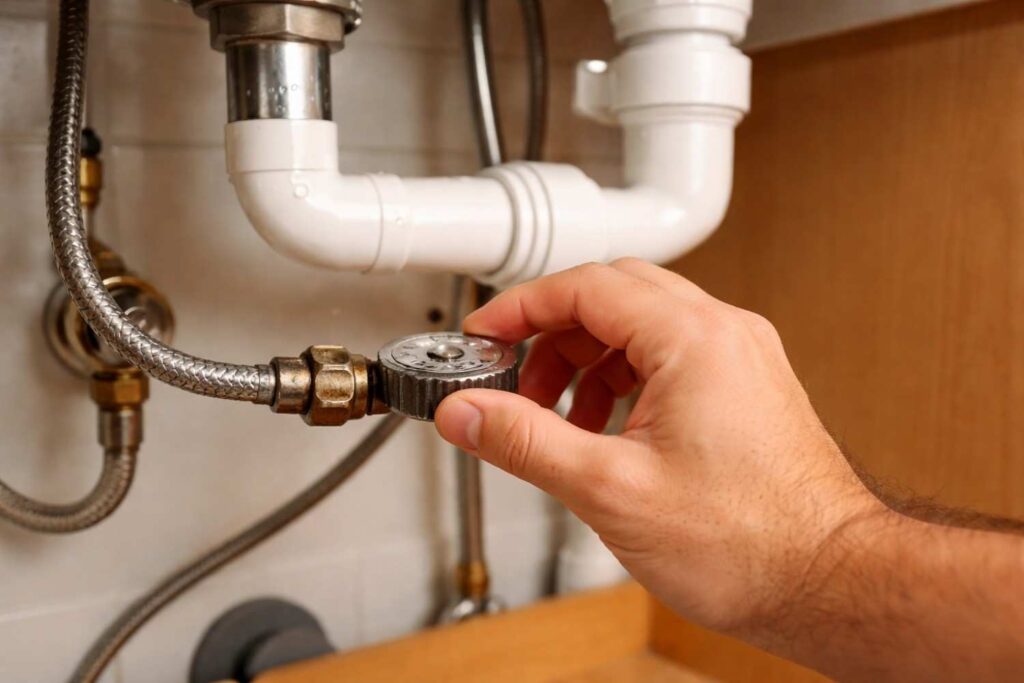
A surprisingly simple but frequently overlooked cause of water supply problems is a partially closed shut-off valve. Your home has a main water shut-off valve, and individual fixtures typically have their own dedicated valves. If any of these valves is accidentally bumped or not fully opened after a recent plumbing repair, water flow will be significantly restricted.
Tip: Locate your home’s main water shutoff valve (usually near the water meter or where the main line enters the house) and ensure the handle is fully turned to the “open” position. Do the same for the valves located beneath your sinks and behind your toilets.
Addressing water supply problems requires a systematic approach to identifying the root cause. By understanding these seven common culprits, homeowners can take proactive steps to maintain their plumbing infrastructure, ensure consistent water pressure, and avoid the inconvenience of unexpected water disruptions.
