


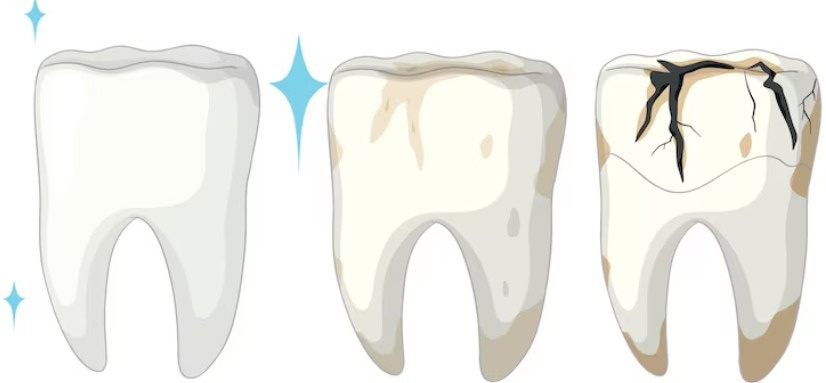
A healthy smile requires consistent effort and the right daily habits. Cavities develop when plaque builds up on the surface of your teeth and slowly eats away at the enamel. Protecting this outer layer is essential for long-term oral health. This guide provides actionable steps to stop tooth decay before it starts and keep your mouth in top condition.
The Foundation of a Healthy Smile
Every effective oral care routine starts with the basics. Brushing and cleaning between your teeth remove the daily buildup of food particles and bacteria. These simple actions disrupt the plaque formation process before it hardens into tartar.
Master Your Brushing Technique
Brushing your teeth twice a day is a strict requirement for a clean mouth. Use a soft-bristled toothbrush and fluoride toothpaste to gently clean all surfaces. Fluoride acts as a shield for your enamel. It remineralizes weak spots and makes the tooth structure more resistant to acid attacks.
Hold your toothbrush at a forty-five-degree angle toward the gums. Move the brush in short, circular strokes rather than scrubbing vigorously back and forth. Aggressive scrubbing can actually damage the gums and wear down enamel over time. Brush for a full two minutes each time. Focus equally on the front, back, and flat chewing surfaces. Replace your toothbrush every three to four months, or sooner if the bristles become frayed and ineffective.
Clean Between the Spaces
A standard toothbrush simply cannot reach the tight spaces between your teeth. Plaque easily hides in these narrow gaps. Using dental floss or interdental brushes once a day removes this hidden debris effectively.
Slide the floss gently up and down against the side of each tooth. Avoid snapping it roughly into the gums. Cleaning between your teeth prevents decay from forming along the gumline and keeps the surrounding tissues healthy. Make this step a mandatory part of your evening routine to ensure your mouth goes to sleep entirely clean.
Diet Choices That Protect Enamel
What you eat heavily influences the physical strength of your teeth. Bacteria in your mouth feed on carbohydrates and sugars to produce harmful acids. Controlling your diet helps limit this acid production.
Limit Sugary and Acidic Snacks
Frequent snacking on sweets gives bacteria a constant fuel supply. Sticky candies, sodas, and sweet baked goods are the biggest offenders because they cling to the tooth surface. Acidic foods like citrus fruits and vinegar-based dressings can also weaken enamel over time.
When you do consume these items, try to eat them alongside a main meal rather than as standalone snacks. Increased saliva flow during larger meals helps wash away the acids much faster. Waiting at least thirty minutes to brush your teeth after eating acidic foods is also crucial. Brushing immediately can damage the temporarily softened enamel.
Increase Mineral-Rich Foods
Your teeth need structural support from the inside out. Foods rich in calcium and phosphorus help rebuild weakened tooth structure. Dairy products, leafy greens, and nuts provide the necessary minerals to keep your smile resilient. Incorporating these items into your daily meals provides a natural defense mechanism against daily wear and tear.
Stay Hydrated with Water
Drinking plenty of water throughout the day is an incredibly easy way to protect your teeth. Water naturally rinses away lingering food particles. It also prevents dry mouth, a condition that severely increases the risk of rampant tooth decay. Saliva acts as your primary defense against cavities by neutralizing acids. Staying completely hydrated ensures your body produces enough saliva to maintain a balanced, safe environment in your mouth.
Extra Layers of Defense
Beyond brushing, flossing, and watching your diet, a few additional habits will significantly improve your overall hygiene.
Utilize Proper Supplemental Rinses
Sometimes your mouth needs an extra level of protection to control harmful bacteria. Adding an antibacterial mouth oral rinse to your daily routine can help reduce overall plaque buildup and support gum health. Swish the liquid for the recommended time to ensure it reaches the back of your throat and under your tongue. Wait a bit after brushing before using a wash to avoid accidentally rinsing away the protective fluoride from your toothpaste.
Schedule Regular Professional Cleanings

Even the most thorough home care routine cannot remove hardened tartar. Dental professionals have the specific tools required to scrape away this stubborn buildup safely. Professional exams also allow experts to spot early signs of decay.
Catching a weak spot before it becomes a full cavity saves you from needing fillings or more extensive dental work. Plan to visit your dental clinic every six months for a comprehensive cleaning and checkup.
Regular checkups also help detect urgent oral health issues early, allowing timely treatment before minor problems turn into serious dental complications.
Conclusion
Protecting your teeth from decay is entirely manageable with a highly proactive approach. Focus on a thorough daily cleaning routine, make smart dietary choices, and stay consistent with professional care. Your enamel is the only protective layer your teeth have.
Take action today by evaluating your current brushing habits and making small, positive improvements to ensure a strong, healthy smile for years to come.
